 blog
blog
AET Energy Alternatives for Homes: 2026 Guide
Table of Contents
- What AET Energy Alternatives Mean for Homeowners
- Side-by-Side: Solar Pool Heating vs. Gas Heater
- Solar Pool Heating vs. Heat Pump: Which Wins in 2026?
- Solar Pool Heater Alternatives Worth Comparing
- Pool Heater Installation Cost: What Drives the Price
- Payback, Savings, and Performance Estimates for AET Energy Alternatives
- Conclusion: Choosing the Right AET Energy Alternative
- Frequently Asked Questions
Last Updated: October 8, 2026
What AET Energy Alternatives Mean for Homeowners
AET energy alternatives for homes is the umbrella term for heating and power systems that replace or reduce reliance on grid electricity, natural gas, and propane. For pool owners, the most practical 2026 options are solar thermal collectors, heat pumps, and high-efficiency gas or propane heaters.
Pool heating is one of the largest single loads in a household's energy budget. A gas heater run through a cool spring can burn hundreds of gallons of propane.
Why Homeowners Search for AET Energy Alternatives
Most people arrive at this topic the same way: the first cold snap hits, the pool turns into a decorative pond, and the gas bill arrives. According to U.S. Department of Energy guidance on pool heating, pool heating can account for a substantial share of a home's annual energy use, which is why so many owners start comparing alternatives once they see a full season of bills.
Three things drive the search:
- Cost volatility. Propane and natural gas prices swing, and a heater sized for a large pool amplifies every increase.
- Season length. A heater that only keeps up in summer defeats the purpose of owning a pool.
- Environmental goals. Homeowners increasingly want lower life-cycle carbon emissions, not just lower bills.
Solar Pool Heating Texas works with homeowners across the state on this decision, and the pattern is consistent: the right answer depends less on headline efficiency and more on the home's orientation, roof or rack space, and how the pool is used.
Side-by-Side: Solar Pool Heating vs. Gas Heater
Solar pool heating vs. gas heater is a trade-off between upfront and operating cost. A gas heater installs quickly, works in any weather, and heats fast.
Here's how the two compare on the factors that decide most purchases:
| Factor | Solar Pool Heating | Gas Heater |
|---|---|---|
| Upfront cost | Higher | Lower |
| Operating cost | Minimal after install | Ongoing fuel cost |
| Performance in cold/cloudy weather | Reduced | Consistent |
| Lifespan | Long, low maintenance | Shorter, more service |
| Emissions | Near zero in operation | Carbon dioxide per gallon burned |
| Best for | Owners staying long-term | Quick seasonal boosts |
The honest limitation of solar: on heavy overcast stretches, output drops and a solar system alone may not hold temperature. The honest limitation of gas: it works every day, and you pay for that reliability monthly.
Solar Pool Heating vs. Heat Pump: Which Wins in 2026?
Solar pool heating vs. heat pump is closer than most guides admit, because both slash fuel use compared with a gas heater. A heat pump moves heat from air into water using electricity; a solar array collects heat directly from the sun.
Where each one pulls ahead:
- Heat pump: works day and night, in most weather, and needs only an electrical connection and clear space. It still draws grid power, so its running cost tracks electricity rates.
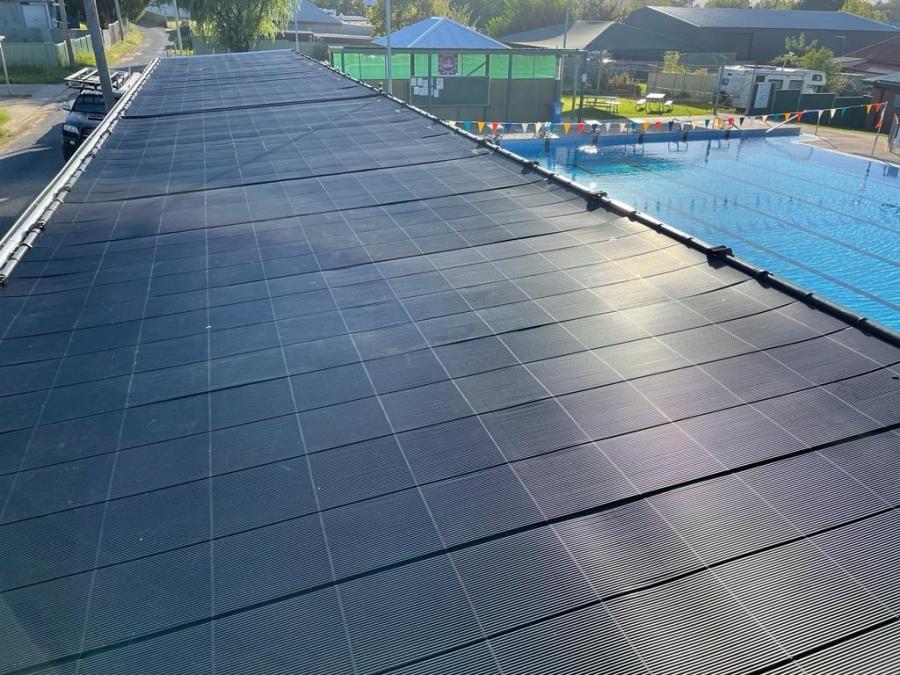
- Solar thermal: near-zero operating cost once installed, but needs unshaded roof or rack space and a sunny exposure.
- Hybrid approach: some homeowners pair a solar array for the bulk of heating with a heat pump or existing gas heater as backup for cold snaps.
What most comparisons miss: heat pumps and solar thermal aren't really competitors, they solve different constraints. If roof space is limited or shaded, a heat pump is the practical choice.
Solar Pool Heater Alternatives Worth Comparing
Most pages stop at pool heaters. But if you searched for AET energy alternatives for homes, the pool is only one load in the house. The honest comparison covers every system that cuts reliance on grid electricity, natural gas, and propane.
| Alternative | What it replaces | Typical upfront cost (installed) | Ongoing cost | Best use case |
|---|---|---|---|---|
| Solar photovoltaic (PV) | Grid electricity | Pricing depends on system size and incentives | Near zero fuel; inverter/service costs | Homes with good sun and a sound roof |
| Solar thermal (pool or water) | Gas, propane, or electric water heating | Pricing depends on system size and complexity | Near zero after install | Sunny homes, long-term owners |
| Air-source heat pump (space) | Furnace, baseboard, propane | Pricing depends on system size and installation complexity | Electricity, but 2-4x more efficient than resistance heat | Mild-to-moderate climates |
| Heat pump water heater | Gas or electric tank | Pricing depends on unit size and installation | Low electricity use | Garages, basements, mild climates |
| Pool heat pump | Gas or propane pool heater | Roughly $3,000-$6,000 | Electricity, tracks local rates | Shaded or space-limited yards |
| Battery storage | Grid reliance at peak hours | Pricing depends on unit capacity and installation | Minimal | Homes with time-of-use rates or outage risk |
| Efficiency upgrades (insulation, air sealing, LEDs) | Wasted energy | Pricing varies | None | Every home, always first |
Electric Resistance Heaters
An electric resistance heater runs current through a heating element. It is simple, compact, and cheap to buy, and the most expensive to run, converting electricity to heat at roughly a one-to-one ratio. For a small spa it can make sense; for a full-size pool heated daily, the electric bill becomes the problem you were trying to solve.
Propane Pool Heaters
Propane pool heaters work like natural gas units but draw from an on-site tank, which matters for rural properties without a gas line. They heat fast and run in any weather. The catch is fuel logistics: you pay for deliveries, and every gallon burned adds carbon dioxide. For homes already on propane, it is familiar; for everyone else, usually a stopgap.
Solar Photovoltaic: The Broader Alternative
Solar PV is what most homeowners mean by "AET energy alternatives." Panels convert sunlight into electricity that runs the whole house, including the pool pump and any heat pump. The federal residential clean energy credit covers a meaningful share of installed cost, and many states and utilities add rebates. PV doesn't heat water directly, it powers equipment that does. Pairing PV with a heat pump displaces the most fossil fuel per dollar.
Battery Storage and Time-of-Use Rates
A home battery doesn't generate energy, but it changes when you buy it. If your utility charges more at peak hours, a battery charged overnight or from solar shaves that peak, and it provides backup in outage-prone areas. It's rarely the first purchase, efficiency and solar come first, but it makes the rest of the system resilient.
Efficiency First
Before any of these, the cheapest kilowatt is the one you never use. Air sealing, attic insulation, LED lighting, and a variable-speed pool pump often cost less than a single panel array and cut the load every other system serves. Efficiency work shortens the payback on everything installed afterward.
Pool Heater Installation Cost: What Drives the Price
Pool heater installation cost varies more than most homeowners expect, because the price reflects the home, not just the equipment. Two identical pools on the same street can carry very different quotes.
The main drivers:
- System size and pool volume. Larger pools need more collector area or a bigger unit.
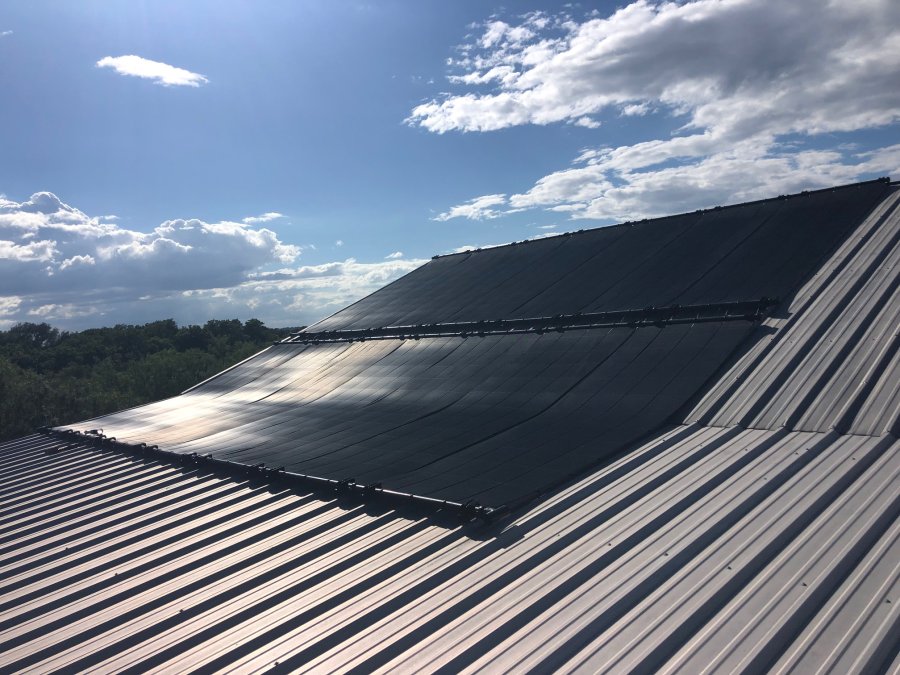
- Roof or rack configuration. A simple south-facing roof is straightforward. Complex rooflines, tile, or ground racks add labor.
- Distance and plumbing. Longer runs between the pool equipment pad and the collectors require more pipe and pump capacity.
Because every home is different, we quote each project individually rather than publish a flat figure. For current pricing, request a free consultation.
Payback, Savings, and Performance Estimates for AET Energy Alternatives
Payback, savings, and performance estimates for AET energy alternatives depend on three variables: your current fuel cost, your local sun exposure, and how many months you want to swim. Here is how to build your own estimate.
Step 1: Find Your Current Cost
Pull twelve months of utility bills and add up pool, space, and water heating separately if you can. For propane, multiply gallons by your delivered price per gallon; for natural gas, multiply therms by your rate. That number is the baseline every alternative has to beat.
Step 2: Estimate the Alternative's Annual Cost
- Solar thermal: near zero fuel cost after install; budget a small amount for pump electricity and occasional service.
- Pool heat pump: multiply the pool's annual heating load by your electricity rate, then divide by the heat pump's coefficient of performance (COP). A typical air-source pool heat pump runs a COP of roughly 4 to 6 in mild weather, which is why it beats resistance heating by a wide margin.
- Solar PV: production depends on roof orientation, tilt, and shading; a south-facing array in a sunny climate produces meaningfully more than a west-facing one. Your installer should provide a production estimate in kilowatt-hours per year.
Step 3: Apply Incentives
The federal residential clean energy credit covers a percentage of installed cost for solar, solar thermal, heat pumps, and battery storage, and many states, utilities, and manufacturers add rebates. Because programs change, confirm current terms with your installer and utility before you sign.
Step 4: Do the Payback Math
Simple payback is net cost after incentives divided by annual savings. Solar pool heating can offer significant savings, displacing fuel costs over time. Solar PV paybacks vary more widely with local rates and incentives, and heat pumps often pay back faster than solar thermal when the home already has electricity and no good roof space.
Financing and Ownership
If you don't want to pay cash, options include home equity loans, secured personal loans, installer-arranged financing, and sometimes utility on-bill financing. Leases and power purchase agreements exist for solar PV but are less common for pool heating. Read the terms: a lease may transfer the credit to the system owner, not to you.
Performance Expectations, Stated Honestly
- Season extension. A properly sized solar system can extend usable swimming well beyond the standard season. In warm climates, designs commonly target up to nine months of comfortable water.
- Temperature gain. Solar thermal delivers the greatest gains on clear, sunny days. On extended overcast stretches, expect reduced output.
- Heat pump performance. Output and efficiency drop as outdoor air gets colder. In mild climates, performance stays strong; in cold snaps, a backup may be needed.
Sensitivity: What Changes the Answer
Run your estimate twice, once at today's rates and once at rates 20% higher. If it still pays back in a reasonable window under the higher rate, it's a robust decision. If it only works at today's rates, you're betting on prices staying flat, which is rarely safe.
Conclusion: Choosing the Right AET Energy Alternative
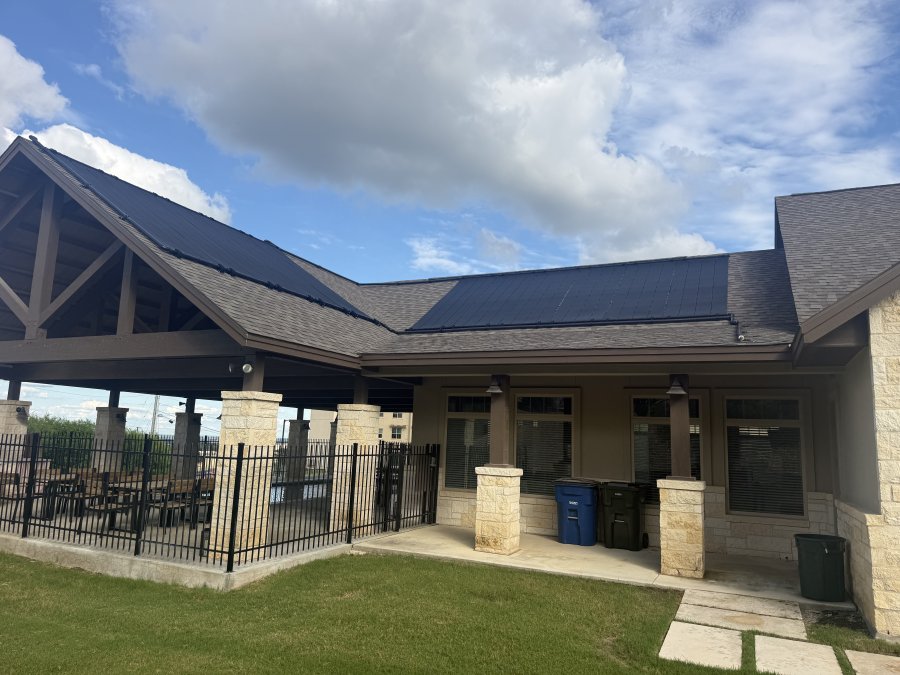
The hardest part of this decision isn't the technology, it's matching it to your pool, roof, and habits. A heat pump suits a shaded yard. Propane suits homes with no gas line. Solar thermal suits sun, space, and a long-term horizon.
At Solar Pool Heating Texas, we install and repair residential and commercial solar pool heating systems, and we design each one around the home it serves.
Frequently Asked Questions
What alternatives are there to AET solar pool heating?
Homeowners can choose from several pool heating options beyond solar. Gas heaters warm water quickly but have ongoing fuel costs. Heat pumps use electricity to move heat from the air into the water and work well in mild climates. Electric resistance heaters are simple but costly to run. Propane heaters offer strong output but require fuel deliveries. Solar pool heating remains the lowest-cost option to operate, especially in sunny states like Texas.
Is solar pool heating better than a gas or electric pool heater?
It depends on your priorities. Solar pool heating has the lowest operating cost because sunlight is free. Gas heaters heat faster and work on cloudy days but cost more per month to run. Electric heat pumps are efficient in moderate temperatures but lose performance in cold snaps. For homeowners who want to extend the swimming season by up to nine months while cutting energy bills, solar is often the better long-term choice.
How much does it cost to install a solar pool heater?
Installation cost varies based on pool size, roof or ground space, and system complexity. Pricing depends on site conditions, equipment, and local labor rates, so there is no single figure that applies to every home. Solar Pool Heating Texas offers a free consultation to assess your setup and provide a quote. Requesting a site evaluation is the most reliable way to get an accurate number.
Can solar pool heating extend the swimming season?
Yes. A properly sized solar pool heating system can extend the swimming season by up to nine months in many Texas homes. The system circulates pool water through collectors that absorb heat from the sun, raising the water temperature. Performance depends on sun exposure, collector size, and whether a pool cover is used. Homeowners who combine solar heating with a cover typically see the best results.