 blog
Best Low Maintenance Pool Heater for Professional Installation
Last Updated: November 22, 2026
Quick Summary
The best low maintenance pool heater for professional installation is a solar system, because it has no burner, igniter, refrigerant circuit or fuel line to service. Its routine tasks are mostly quick visual checks like clearing debris from the collectors and cleaning the filter, with a professional inspection once per season. A site assessment before installation helps match the system to your roof, sun exposure and pool layout.
- Solar systems have no burner, refrigerant circuit or fuel line, so the maintenance list is shorter than gas or heat pump options.
- Clear leaves and debris from collectors weekly during heavy leaf fall, and monthly otherwise.
- Schedule a professional inspection once per season to check sensors, controller settings and piping integrity.
- Commissioning by the installer tests flow, valves and controls before handover, which prevents many early performance problems.
- Keep a simple service log, since many panel and controller warranties require proof of routine maintenance.
Table of Contents
- Why Maintenance Load Matters When Choosing a Pool Heater
- Solar vs. Gas Pool Heater: Maintenance and Running Trade-Offs
- Solar Pool Heater Maintenance: What Actually Needs Attention
- How the Solar Pool Heater Installation Process Works
- Total Cost of Ownership: Upfront Investment vs. Long-Term Savings
- Climate and Pool-Specific Factors That Affect Performance
- Questions to Ask a Pool Heating Installer Before You Commit
- Booking Your Free Consultation for a Low-Maintenance Pool Heater
- Frequently Asked Questions
Why Maintenance Load Matters When Choosing a Pool Heater
Most pool owners picture the heater as a one-time purchase. In practice, the maintenance load you accept over the life of the system matters as much as the upfront price. A heater that needs frequent attention will eat into your season and your weekends.
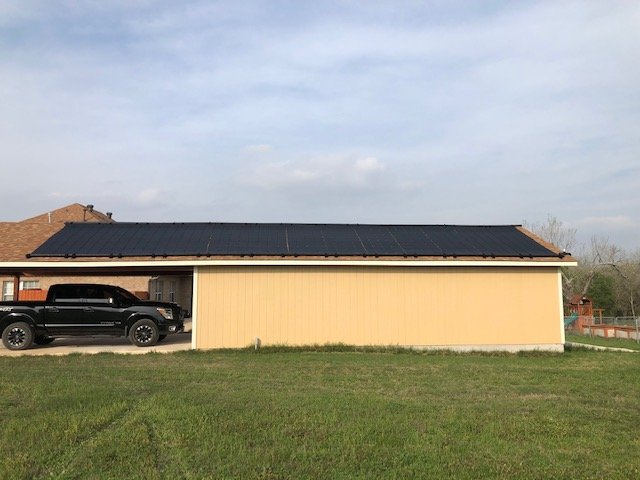
Solar pool heating is widely regarded as one of the lowest-maintenance ways to heat a pool. When you compare options, it helps to weigh maintenance demands alongside efficiency.
Before comparing specific systems, it helps to understand where maintenance effort actually comes from. Moving parts, combustion components, electrical controls and exposure to weather all add tasks. A system with fewer of those components usually asks less of its owner.
Solar vs. Gas Pool Heater: Maintenance and Running Trade-Offs
Gas heaters heat water quickly, which is why many owners reach for them first. The trade-off is that burners, igniters and gas connections need periodic inspection, and the heater depends on fuel supply every time it runs.
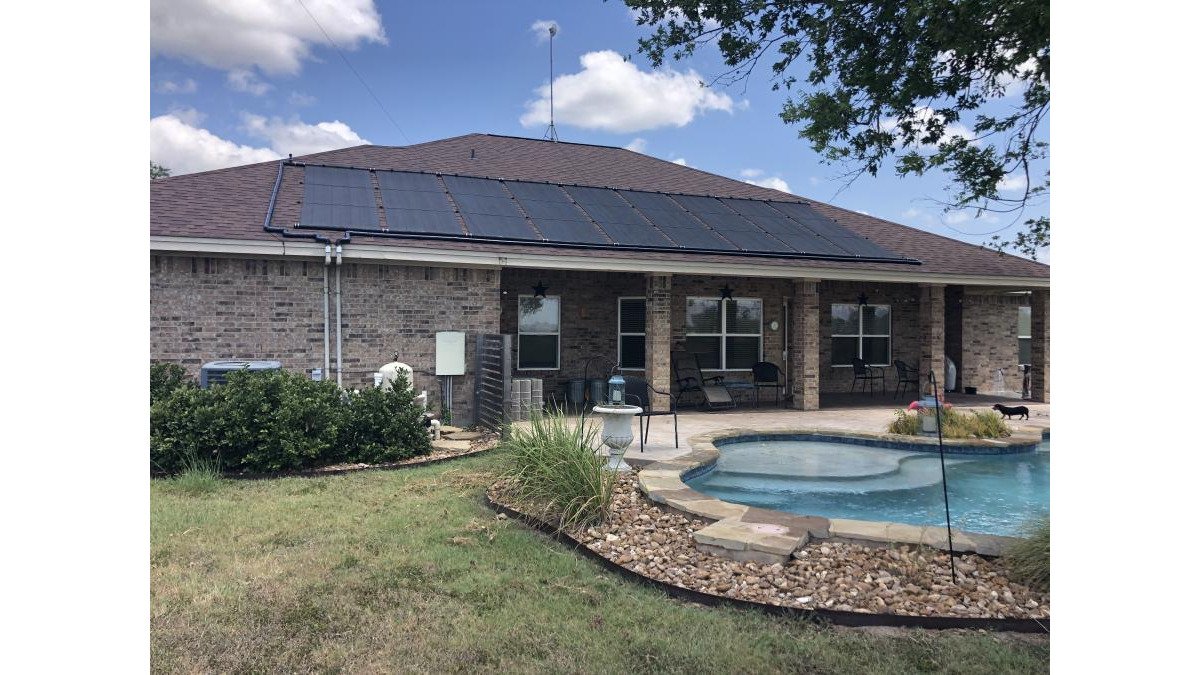
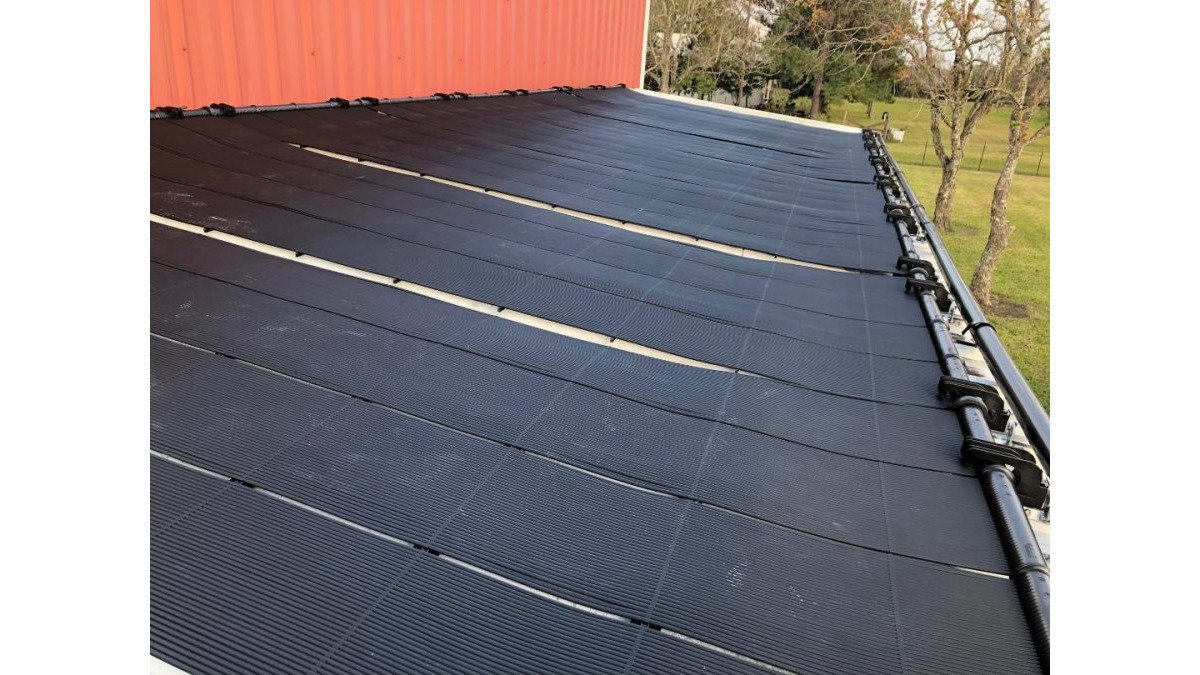
Solar heaters work differently. They use the sun's energy to warm water as it passes through collector panels, so there is no burner to service and no fuel to buy. The system still needs basic upkeep, but the list of tasks is shorter.
Solar suits owners who want steady, low-effort heating over a long season. Your choice depends on how you use the pool.
Solar Pool Heater Maintenance: What Actually Needs Attention
Solar systems are simple, but they are not zero-maintenance. Read the full guide to solar pool heater maintenance and repair for more on the tasks that come up over time. The reason solar asks so little of its owner is structural: there is no burner, no ignition system, no refrigerant circuit and no fuel line. What remains is a short list of water-side and panel-side tasks, and most of them are quick visual checks rather than service calls.
Here is what actually needs attention, who typically handles it, and how often it comes up:
| Task | Who usually does it | Typical interval | What it protects |
|---|---|---|---|
| Clear leaves and debris from collectors | Owner | Weekly during heavy leaf fall, monthly otherwise | Heat transfer and steady output |
| Skim the pool and empty pump baskets | Owner | Weekly | Flow rate through the collectors |
| Backwash or clean the filter | Owner | As the pressure gauge rises | Water flow and panel efficiency |
| Check diverter valves and actuator | Owner visual, professional if sticky | Start of each season | Correct water routing |
| Inspect sensors and controller settings | Professional | Once per season | Automatic operation |
| Look for leaks at connections and piping | Owner visual, professional if found | Start of each season | System integrity |
| Flush and inspect panels and mounting | Professional | Annual | Long-term panel life |
Compare that to the other common systems. A gas heater carries burners, igniters, a heat exchanger and gas connections that all need periodic professional inspection, and the heat exchanger is vulnerable to poor water chemistry. A heat pump adds a compressor, refrigerant lines and coils that need cleaning and occasional refrigerant service. Both depend on an energy source every time they run. Solar has none of those combustion or refrigerant components, which is why the maintenance list is shorter and the failure points are fewer.
A common mistake is ignoring water flow. Many underperforming solar systems are receiving too little water because of a dirty filter or a partially closed valve. Checking flow first is often a quick first step.
Skipping the annual professional inspection because the system "seems fine" can allow debris or a slow leak to go unnoticed. A seasonal check catches both before they affect output.
Maintenance records matter beyond the system itself. Many panel and controller warranties require proof of routine service, and a documented service history can make warranty claims easier. Keep a simple log of filter cleanings, seasonal inspections and any repairs, and ask your installer to note the service intervals they recommend for your specific layout.
How the Solar Pool Heater Installation Process Works
Proper installation is the single biggest factor in how a solar system performs and how much maintenance it needs later. Professional installers typically follow a sequence:
- Site assessment. The installer evaluates roof or ground space, sun exposure and the existing pump and plumbing.
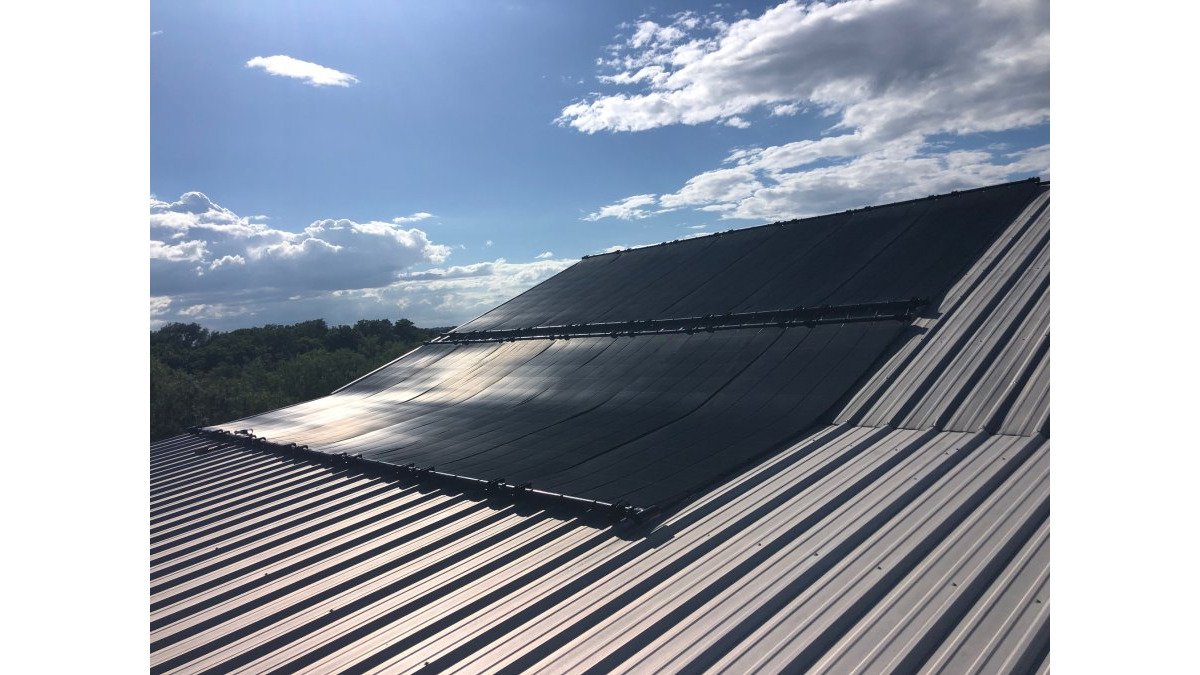
- Panel placement. Collectors are positioned to receive maximum sun for the longest part of the day.
- Plumbing connection. Lines are routed so water flows evenly through the panels and returns to the pool.
- Controls and sensors. The system is wired to automatically divert water when collector temperatures are high enough.
- Commissioning. The installer tests flow, valves and controls before handing the system over.
Commissioning is where many DIY attempts fall short.
Total Cost of Ownership: Upfront Investment vs. Long-Term Savings
Total cost of ownership is the sum of four things: the equipment, the installation, the energy used to run the system, and the maintenance and repairs it needs over its life. Most pool owners compare only the first two, which is exactly why a low purchase figure can hide a much higher running total.
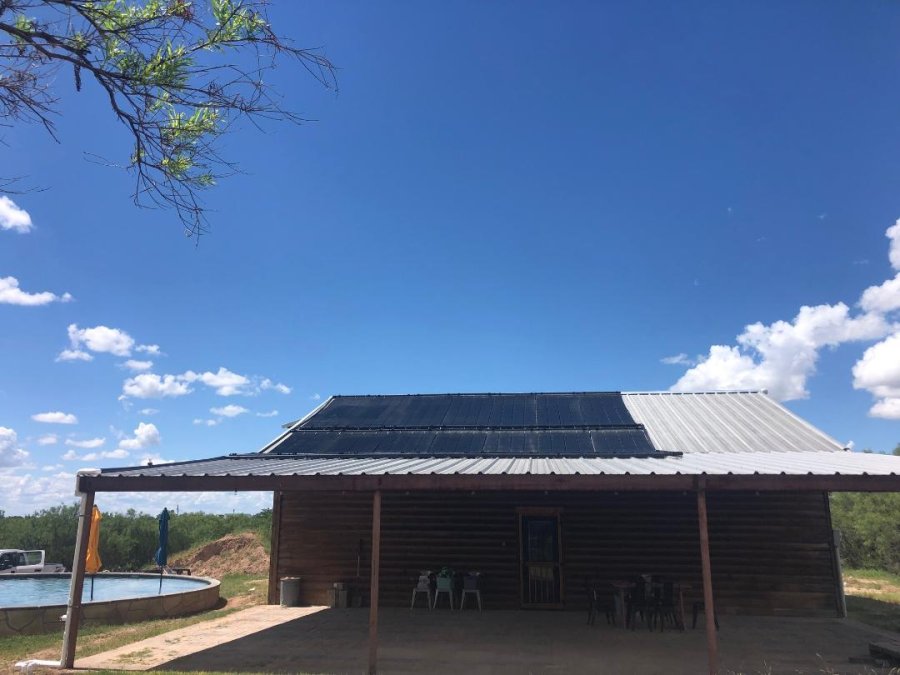
Break any system down across those four categories and the pattern becomes clear:
- Equipment and installation. Solar collectors, mounting, plumbing, controls and the labor to commission them. This is the largest single outlay for solar, and it is largely a one-time figure.
- Energy to run it. Solar uses the sun, so there is no fuel bill and no compressor cycling on your electric account. Gas and electric systems add a recurring energy charge every month the pool is heated.
- Routine maintenance. Solar's short task list, debris clearing, filter care, a seasonal inspection, is the lightest of the common options. Gas and heat pump systems add burner, refrigerant and electrical service on top.
- Repairs over time. Fewer moving and combustion parts means fewer failure points. Solar's main wear items are the pump it shares with the pool and the controller, not the collectors themselves.
That is why solar pool heating is the smartest, most cost-effective way to heat a pool. It needs no fuel, its maintenance load is minimal, and because it avoids the recurring energy and service charges of gas and electric systems, it pays for itself quickly relative to those alternatives. The savings compound every season the pool is heated.
Gas delivers fast heat but ties you to a fuel bill and periodic burner service. Electric heat pumps are efficient but still draw power every hour they run and carry refrigerant components that need attention. Solar trades a larger one-time investment for the lowest ongoing cost and effort, which is the trade most owners are looking for when they say they want low maintenance.
Pricing depends on your pool size, your property's sun exposure, your current energy source and the system you choose, so request a quote for your specific pool. When you compare providers, ask each one to itemize equipment, installation, warranty coverage and expected maintenance visits so every system is measured on the same four categories. That side-by-side view is what turns a purchase decision into an ownership decision.
Climate and Pool-Specific Factors That Affect Performance
Sun exposure is a major factor for solar heating, and performance still depends on local conditions. See how Texas climate affects solar pool heating performance for a closer look at what to expect. Roof orientation, shading from trees, pool surface area and how many months you plan to heat all affect results.
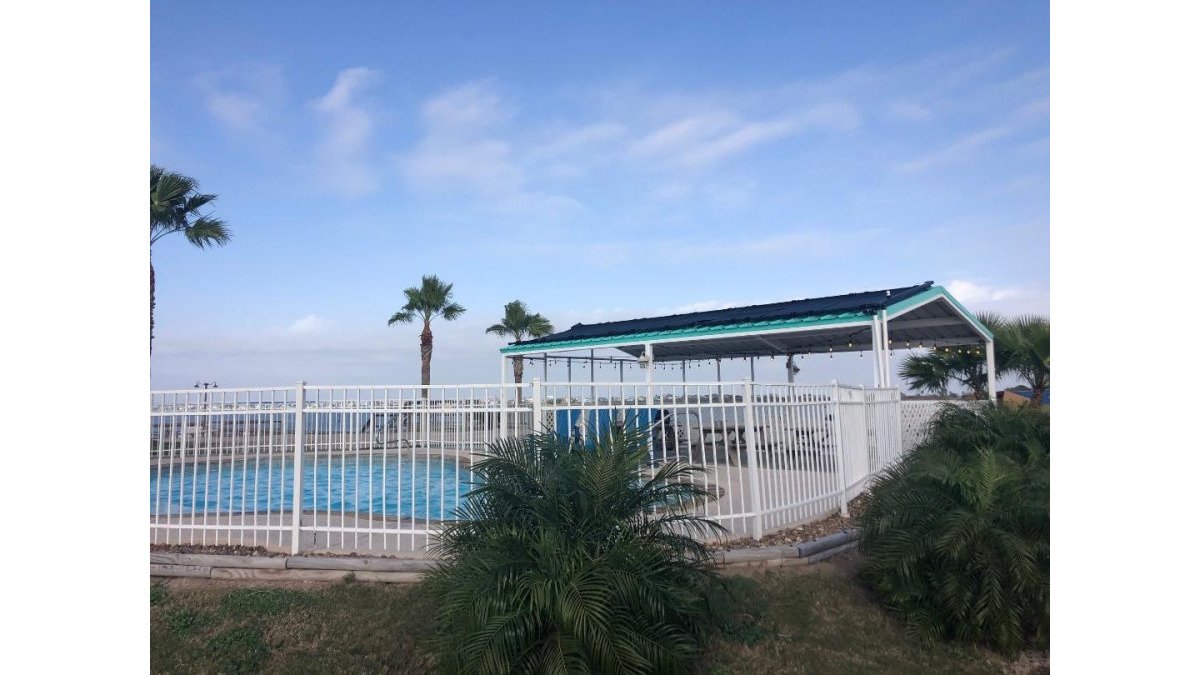
Pool shape and layout also matter. Older or irregularly shaped pools can still work with solar, but the installer needs to plan panel placement and plumbing carefully. For an accurate read on your property, a site assessment is the best starting point.
Solar systems can extend your swimming season, but how much warmer the water gets depends on the day's sun and your setup. We recommend setting realistic expectations during the consultation.
Questions to Ask a Pool Heating Installer Before You Commit
Asking the right questions protects you from overpromised systems and poor workmanship. Consider asking:
- What is included in the quote, and what could add cost later?
- Who performs the installation, and how long have they worked on pool systems in Texas?
- What warranty covers the panels, controls and workmanship?
- What does routine maintenance involve, and how often is it needed?
- How quickly can emergency repairs be scheduled?
- Will the system work with my pool's size, shape and roof layout?
Solar Pool Heating Texas offers a 100% satisfaction guarantee and is available 24/7 for emergency repairs. Ask any provider to put their guarantee and service terms in writing.
Booking Your Free Consultation for a Low-Maintenance Pool Heater
Choosing the right low-maintenance pool heater comes down to your pool, your property and how you plan to use it. A site assessment answers the questions that general guides cannot, including roof conditions, sun exposure and the best system layout for your pool.
Solar Pool Heating Texas offers a free consultation to review your pool, explain your options and outline what maintenance to expect. book a free pool heating consultation to get started, or learn how the installation process works before you decide.
Frequently Asked Questions
What is the lowest-maintenance way to heat a swimming pool?
Solar pool heating is generally the lowest-maintenance option because it has no burners, igniters, or electrical compressors that wear out. The panels sit on the roof or ground, capture sunlight, and pass pool water through them under the pump's normal flow. Routine care usually means keeping debris off the panels, checking that valves and the diverter still work, and confirming the system drains properly before freezing weather. Because there is no fuel to buy and few moving parts, owners typically spend far less time on upkeep than with gas or electric heaters.
Are solar pool heaters difficult to maintain?
Most solar pool heaters are not difficult to maintain. The main tasks are periodic cleaning of leaves and debris from the collector panels, inspecting plumbing connections for leaks, and making sure the automatic or manual control valves operate correctly. Owners who keep the pool's filtration balanced and clean generally see fewer problems, because clogged filters reduce flow through the panels. A professional installer can set the system up so these tasks are simple and infrequent.
What should I ask a solar pool heating installer?
Ask how the system is sized for your pool volume and local sun exposure, what warranty covers the panels and labor, and who handles service calls if something fails. It also helps to ask how the installation will be commissioned and tested before handoff, how freeze protection and drain-down are handled in Texas winters, and whether the company offers emergency repair support. Request a written proposal so you can compare scope, materials, and responsibilities across installers. For current pricing and a site assessment, contact Solar Pool Heating Texas for a free consultation.