 blog
9 Sustainable Heating Options That Cut Your Bills
Last Updated: November 21, 2026
Quick Summary
Sustainable heating cuts bills by using renewable energy or moving existing heat instead of burning fuel or running resistance heaters constantly. Heat pumps, geothermal systems and solar thermal collectors are generally more efficient than older fuel-burning equipment on operating cost. For pool owners, solar pool heating uses the sun to deliver low-maintenance heat.
- Cover the pool whenever it is not in use, since an uncovered pool loses most heat from its surface.
- Air-seal drafts around doors, windows and hatches, and upgrade thin insulation in attics and rim joists.
- Schedule heat only for the hours the pool or home is actually used.
- Maintain heat pump coils and filters so the system keeps near its rated efficiency.
- Get a home energy survey to rank upgrades by cost and savings before replacing equipment.
Table of Contents
- Why Sustainable Heating Lowers Your Heating Bills
- Air-Source Heat Pump: The Most Common Low-Carbon Upgrade
- Geothermal Heat Pump: Higher Upfront Cost, Steadier Savings
- Modern Wood-Burning and Pellet Systems Compared
- Side-by-Side Cost, Efficiency and Emissions Comparison
- Cut Bills First: Insulation, Sealing and Thermostat Settings
- Start With a Home Energy Survey and Efficiency Rating
- Choosing Your Next Heating Step for a Texas Home
- Frequently Asked Questions
Why Sustainable Heating Lowers Your Heating Bills
Heating is one of the biggest energy costs for most homes, and for pool owners the bill can climb fast once the water temperature becomes the goal. Sustainable heating options cut that cost by using renewable energy or far less electricity to move heat, instead of burning fuel or running resistance heaters around the clock. Solar Pool Heating Texas focuses on solar heating for swimming pools, which uses the sun to deliver low-maintenance heat.
Sustainable heating works on a simple principle. Systems that move heat rather than create it from scratch use less energy for the same result. Heat pumps, geothermal systems and solar thermal collectors are generally regarded as more efficient than older fuel-burning equipment on operating cost. U.S. Department of Energy guidance on heating system efficiency
The right choice depends on your home, your climate and your budget. The sections below compare the main options so you can see where each one fits.
Air-Source Heat Pump: The Most Common Low-Carbon Upgrade
An air-source heat pump pulls heat from outdoor air and transfers it into your home or pool water. It is the most common low-carbon heating upgrade because it can be added to many existing systems without major construction.
Pros:
- Moves more heat than it consumes, so running costs stay low compared with resistance heating
- Works with existing ductwork or water circuits in many homes
- Often qualifies for federal efficiency incentives, depending on the equipment and your location
Cons:
- Output drops in very cold weather, which can affect performance in northern climates
- Upfront equipment and installation costs are higher than a basic replacement unit
- Needs adequate outdoor space and proper airflow around the unit
For many pool owners, an air-source heat pump is a mid-range option, though solar offers free daytime heat.
Geothermal Heat Pump: Higher Upfront Cost, Steadier Savings
A geothermal heat pump uses the stable temperature of the ground, a few feet below the surface, to heat or cool a building. Because underground temperatures change little through the year, geothermal systems keep working efficiently even when outdoor air is cold.
Pros:
- Steady performance regardless of outdoor air temperature
- Long equipment life for the underground loop
- Low running costs once installed
Cons:
- The highest upfront cost of the options here
- Requires underground loop installation, which means excavation and site planning
- Usually better suited to whole-home systems than individual pools
Geothermal makes the most sense for new construction or major renovations where the loop can be installed during the build.
Modern Wood-Burning and Pellet Systems Compared
Modern wood-burning stoves and pellet systems burn renewable biomass, which is more sustainable than fossil fuels when sourced responsibly. They are designed to burn cleaner and more completely than older units.
Pros:
- Renewable fuel source when wood or pellets are sourced sustainably
- Lower fuel cost per unit of heat than many fossil fuels in some regions
- Good option for supplemental heat in homes with space available
Cons:
- Requires fuel storage, regular ash removal and ongoing maintenance
- Emissions depend heavily on equipment quality and fuel dryness
- Not suited to heating a swimming pool directly in most setups
Pellet and wood systems are better for home heating than pool heating. If you have both needs, pairing one of these systems with a solar pool heater keeps the pool and house efficient without overlapping fuel use.
Side-by-Side Cost, Efficiency and Emissions Comparison
The table below summarizes how the main options compare on the factors that matter most when you are trying to reduce heating bills. Rather than label options as simply "cheap" or "expensive," it separates the four cost layers that actually drive your bill: equipment, installation, ongoing maintenance, and fuel or electricity.
| Option | Equipment & Installation | Ongoing Maintenance | Fuel / Electricity | Efficiency Mechanism | Lifecycle Emissions | Best Fit |
|---|---|---|---|---|---|---|
| Solar pool heater | Moderate; collectors, plumbing, and a pump tie-in | Very low; no burners, no refrigerant, no fuel deliveries | None for the heat itself; a small circulating pump uses electricity | Captures free solar thermal energy and transfers it to pool water | Very low; no combustion and no refrigerant charge | Pool owners in sunny regions with unshaded roof or rack space |
| Air-source heat pump | Moderate to high; outdoor unit plus electrical work | Moderate; coil cleaning, filter changes, refrigerant checks | Electricity; efficiency drops as outdoor air gets colder | Moves existing heat from outdoor air instead of generating it | Low; depends heavily on how clean the local grid is and on refrigerant containment | Whole-home and pool heating in mild to moderate climates |
| Geothermal heat pump | High; ground loop excavation or drilling dominates the bill | Low for the loop; normal heat pump servicing indoors | Electricity; very stable because ground temperature is steady | Exchanges heat with stable ground temperature year-round | Low; same grid and refrigerant caveats as air-source, but steadier efficiency | New builds and major renovations with land available |
| Pellet or wood system | Moderate to high; stove, flue, and hearth work | High; ash removal, chimney cleaning, fuel handling | Fuel deliveries; price varies with pellet and cordwood markets | Burns renewable biomass in a controlled, high-combustion unit | Low to moderate; depends on fuel sourcing, moisture content, and burn quality | Supplemental home heat where fuel storage is practical |
Three distinctions matter more than the labels in any comparison table.
Operational emissions versus lifecycle emissions. A heat pump or geothermal system produces no emissions at your house, but the electricity it draws may come from a grid that is partly fossil-fueled. Solar thermal pool heating sidesteps that question almost entirely because the heat itself comes from the sun.
Refrigerant leakage. Heat pumps and geothermal systems contain refrigerant. A well-maintained system keeps that charge contained, but leaks quietly erode the climate benefit. Ask any installer how the system is leak-checked and how refrigerant is recovered at end of life.
Climate and home fit. Cold-climate performance, home size, insulation level, and existing ductwork change which option is suitable far more than headline efficiency ratings do. A geothermal loop that would shine on a rural lot may be impractical on a small suburban parcel; an air-source heat pump that performs well in a mild climate may struggle in a northern winter; a pellet stove makes sense only if you have dry storage and are willing to handle fuel.
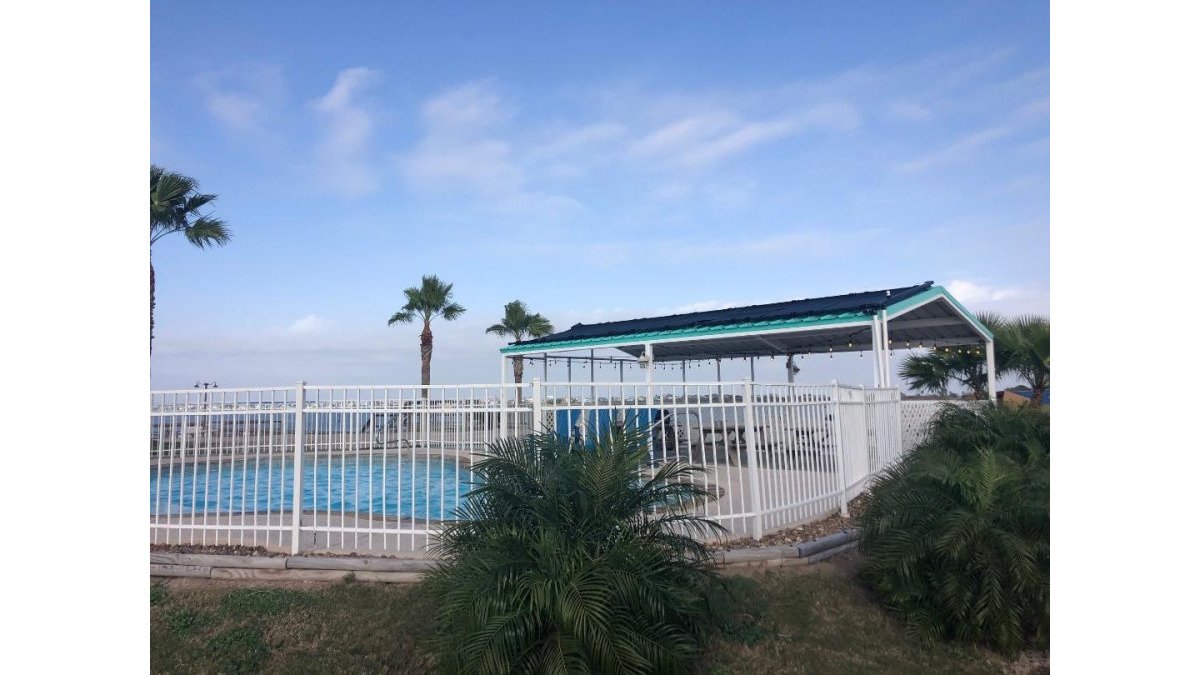
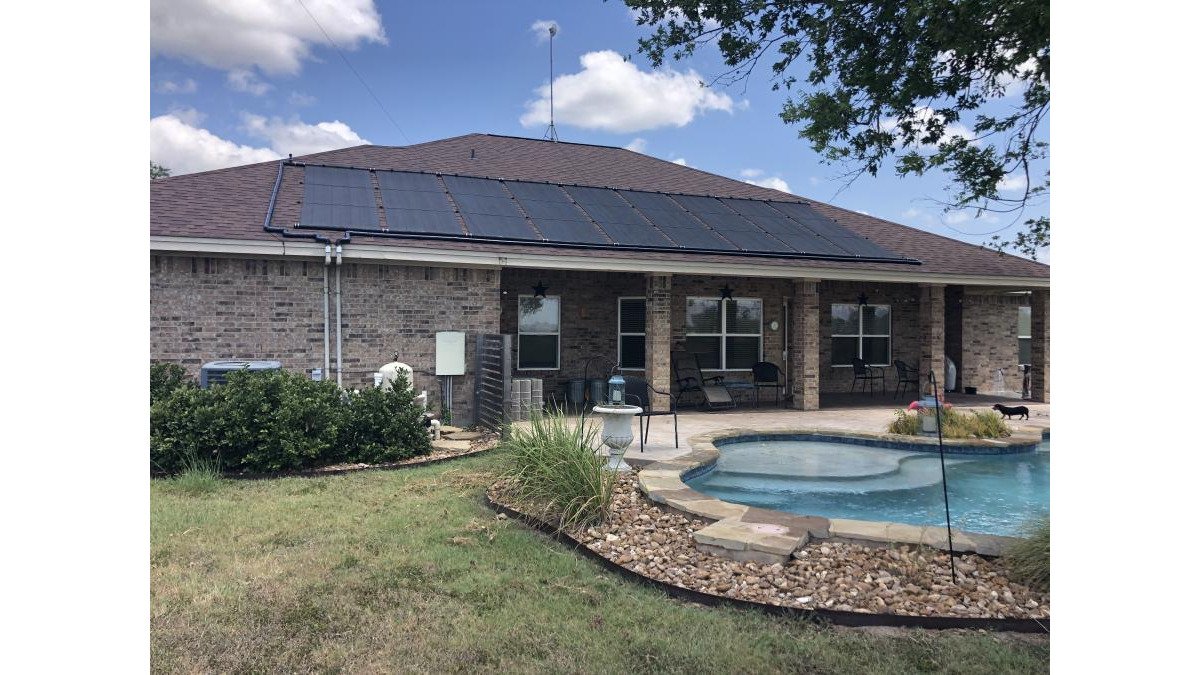
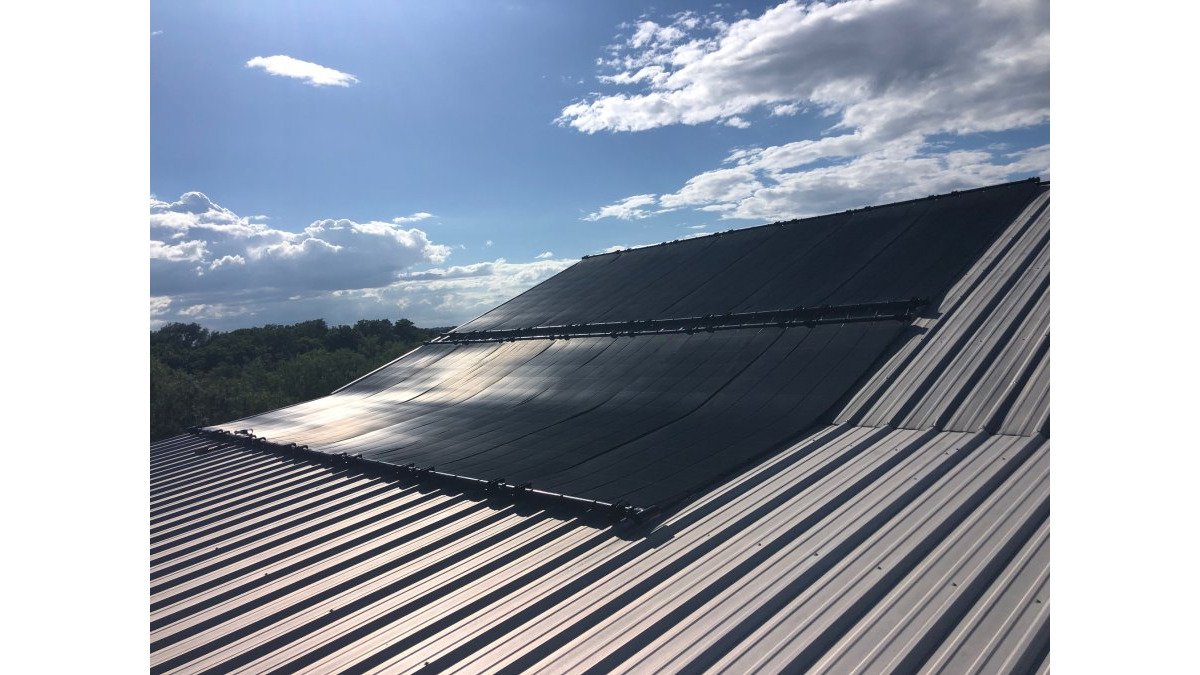
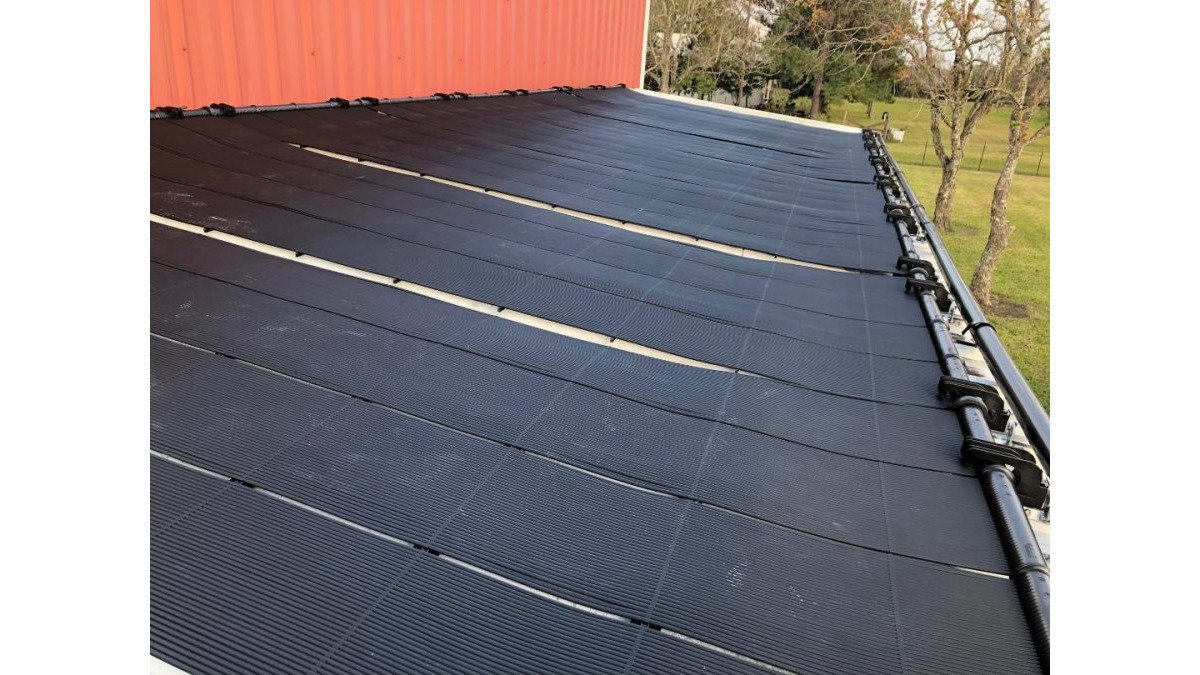
For pool owners, the comparison narrows quickly. Solar pool heating has no fuel to buy, no refrigerant to manage, and no combustion byproducts, and it needs no scheduled maintenance beyond occasional collector cleaning. See how solar pool heaters perform in real conditions to compare their efficiency directly. That is why it stands out on running cost and why more pool owners are choosing it over gas or electric heating.
U.S. Department of Energy guidance on heat pump and geothermal system efficiency

Cut Bills First: Insulation, Sealing and Thermostat Settings
Before you replace any heating equipment, look at what you are losing. Heat escapes through poor insulation, drafts, and an uncovered pool surface, and every unit of heat you keep is a unit you do not pay to replace.
1. Cover the pool whenever it is not in use. An uncovered pool loses most of its heat from the surface through evaporation and radiation. A well-fitted cover traps that heat, reduces evaporation, and cuts the run time your heater needs.
2. Air-seal the building envelope. Drafts around doors, windows, attic hatches, and pool equipment rooms let conditioned air escape and outdoor air in. Weatherstripping and caulk are inexpensive and address the leaks that show up as cold spots and higher winter bills.
3. Upgrade insulation where it is thinnest. Attics and rim joists are common weak points. Adding insulation there slows heat loss and makes any heating system, including a heat pump, run less.
4. Schedule heat for the hours you actually use it. A common pattern is running a pool heater all day when the pool is only used in the evening.
5. Maintain what you already have. Dirty heat pump coils, clogged filters, and blocked airflow force a system to work harder for the same output.
6. Match the system to the load. If your pool is small and well covered, a modest solar array may be all you need.
Watch out: skipping the cover and envelope fixes and jumping straight to a new heater often produces disappointing savings, because the new equipment is still fighting the same heat loss.
A useful way to prioritize is to estimate how much each measure reduces run time, then compare that against what it costs to implement. Measures that cut heat loss, covers, sealing, insulation, tend to pay back fastest because they reduce demand permanently.
U.S. Department of Energy guidance on weatherization and home energy efficiency
Start With a Home Energy Survey and Efficiency Rating
A home energy survey shows where your heating dollars go. An energy assessor measures insulation, air leaks, equipment age and existing heating performance, then produces an efficiency rating for the home.
Ask for a written report that lists the top improvements ranked by cost and savings. That report gives you a clear baseline for comparing options and can help you prioritize upgrades in the order that pays back fastest. U.S. Department of Energy home energy assessment resources
Choosing Your Next Heating Step for a Texas Home
Texas summers are long and hot, which gives solar heating plenty of useful sun. Many pool owners here find a solar pool heater a practical next step, since it needs little maintenance and can help extend the swimming season.
If your home has other heating needs, a heat pump may be a worthwhile addition. Geothermal fits best when you are building or renovating. Pellet and wood systems suit homes that need supplemental heat and have space for fuel storage.
The best next step starts with your current bills and your swimming habits. Compare options on total cost, not just the sticker price, and talk with a local specialist about what fits your pool and property. Get a free consultation from Solar Pool Heating Texas to see how solar heating could work for your pool.
Frequently Asked Questions
Can a heat pump lower heating bills?
Yes, in most homes. A heat pump moves heat rather than generating it by burning fuel, so it delivers more heating energy per unit of electricity than a resistance heater. Savings depend on the fuel it replaces, local electricity rates, insulation and how well the system is sized. Comparing your current annual heating cost against a quoted installation estimate, and checking the unit's efficiency rating, gives the clearest picture for your house.
How does geothermal heating compare with an air-source heat pump?
A geothermal heat pump uses the steady temperature of the ground to heat and cool a home, so its efficiency varies less with outdoor air temperature. An air-source heat pump is cheaper and simpler to install, but its output drops during the coldest weeks. Geothermal systems usually cost more upfront because of the ground loop, while air-source units suit most homes with a lower initial investment.
What home improvements make heating more efficient?
Sealing air leaks around windows, doors and ductwork, adding attic insulation and programming a thermostat often reduce heating demand before any equipment changes. A home energy survey can identify the biggest sources of loss. Completing these steps first means a smaller, less expensive heating system may be enough when you replace equipment.
What is a home energy efficiency rating?
A home energy efficiency rating scores how much energy a house uses and where it loses heat. Assessors typically review insulation, windows, air sealing and heating equipment. The rating helps you compare the effect of different upgrades on your heating bills and prioritize the improvements with the largest payoff.