 blog
Which Pool Heating Option Wins in Texas Shoulder Season?
Last Updated: November 14, 2026
Quick Summary
For most Texas pool owners, solar is the best pick for shoulder season because it uses free sunlight and carries warmth into the evening. Its output depends on sun exposure, so pairing it with a cover and a heat pump or gas heater for cold snaps gives more reliable comfort.
- Solar uses the sun, so there is no fuel to buy and little maintenance.
- Heat pump performance drops as outdoor air cools, so it suits mild spring and fall weather.
- Gas heaters recover temperature fastest, making them useful for swims planned on short notice.
- A cover reduces evaporation and wind cooling, keeping heat in the water overnight.
- Heating needs differ by region, so northern pools usually need backup heat more than southern ones.
Table of Contents
- Why Texas Shoulder Season Is Hard to Heat For
- Pool Heating Options Compared Side by Side
- Why Solar Pool Heaters Lead for Texas Shoulder Months
- Extending Swimming Season Month by Month Across Texas
- Heating Speed, Heat Loss, and Cover Strategy
- Choosing the Right Setup for Your Pool and Usage
- Book a Free Consultation to Size Your Solar System
- Frequently Asked Questions
Why Texas Shoulder Season Is Hard to Heat For
Texas pool owners know the problem well. Our guide to whether solar panels suit a Texas property walks through the factors that matter before comparing heating options.
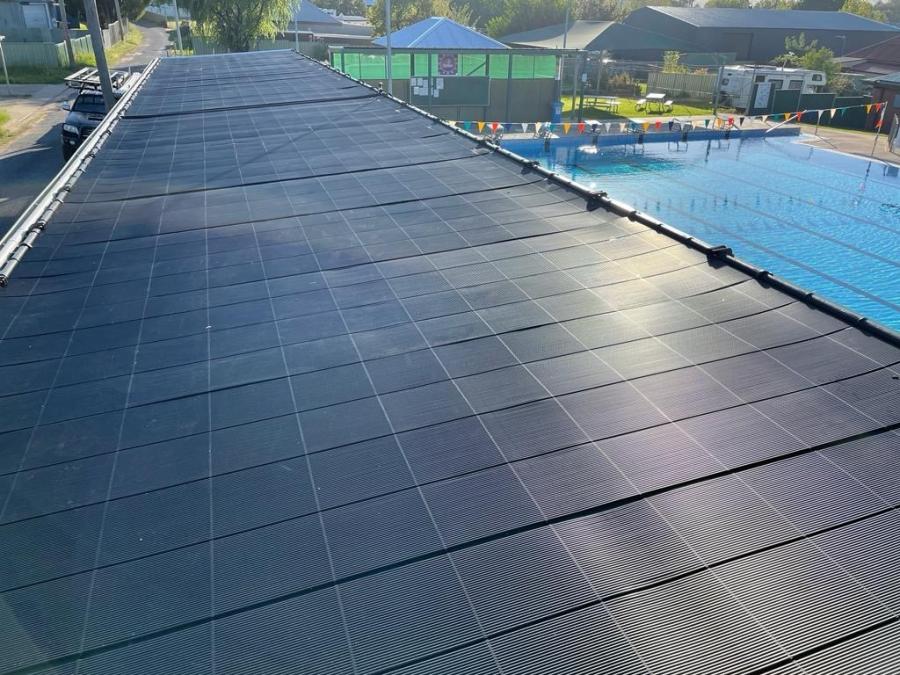
Shoulder season is the stretch on either end of summer when days are pleasant but nights are cool. Wind, humidity, and nighttime heat loss all work against the water temperature. A pool that feels inviting at 2 p.m. can drop several degrees by the next morning.
Most pool heating choices were designed for either full summer use or occasional heating. Shoulder season sits between those two needs, which is why the right choice depends on how often you swim and how much heat you need to add.
Pool Heating Options Compared Side by Side
Four main systems are used on pools in this state: heat pumps, gas heaters, electric resistance heaters, and solar collectors. Each works differently, and each suits a different usage pattern. The table below compares them on the factors that actually decide shoulder-season comfort: how fast they add heat, how well they hold up as air temperatures fall, what they depend on to run, and what kind of maintenance they demand.
| Option | How It Heats | Shoulder-Season Strength | Main Drawback | Best Fit |
|---|---|---|---|---|
| Solar | Sun-warmed collectors circulate pool water | Strong daytime gain on clear days; no fuel to buy | Output tracks sunlight and cloud cover | Owners who plan swims and want the lowest long-run heating burden |
| Heat pump | Moves heat from outdoor air into the water | Efficient while air stays mild | Capacity and efficiency fall as air cools | Frequent swimmers in mild spring and fall weather |
| Gas heater | Burns natural gas or propane | Fastest temperature recovery regardless of air temperature | Fuel is burned every hour it runs | Occasional swimmers who need heat on short notice |
| Electric resistance | Elements heat water directly | Simple, compact equipment | Highest energy draw per unit of heat delivered | Small pools used rarely |
How Each System Actually Moves Heat
A heat pump is not a water heater in the conventional sense. It uses a compressor and refrigerant to pull ambient heat out of the outdoor air and transfer it to the pool water, which is why its performance is tied to air temperature.
A gas heater burns fuel to raise water temperature directly, so its output does not depend on the weather. It recovers temperature fastest, which matters when you want the pool ready for a specific afternoon.
An electric resistance heater passes current through elements that heat the water directly.
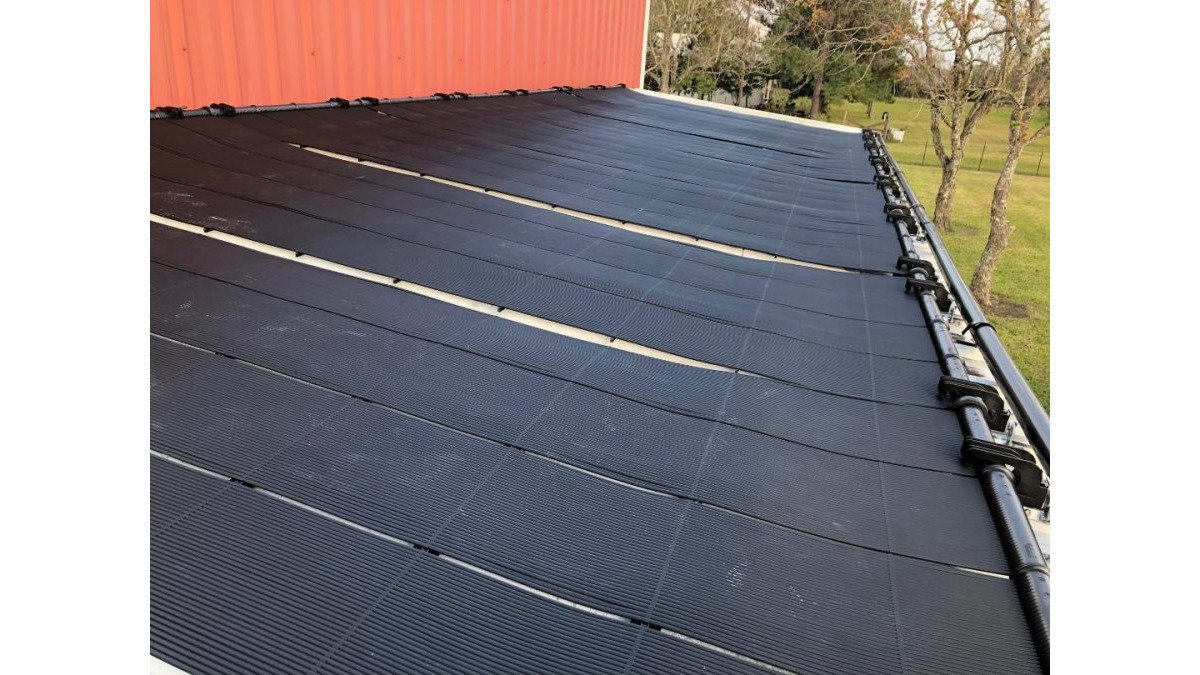
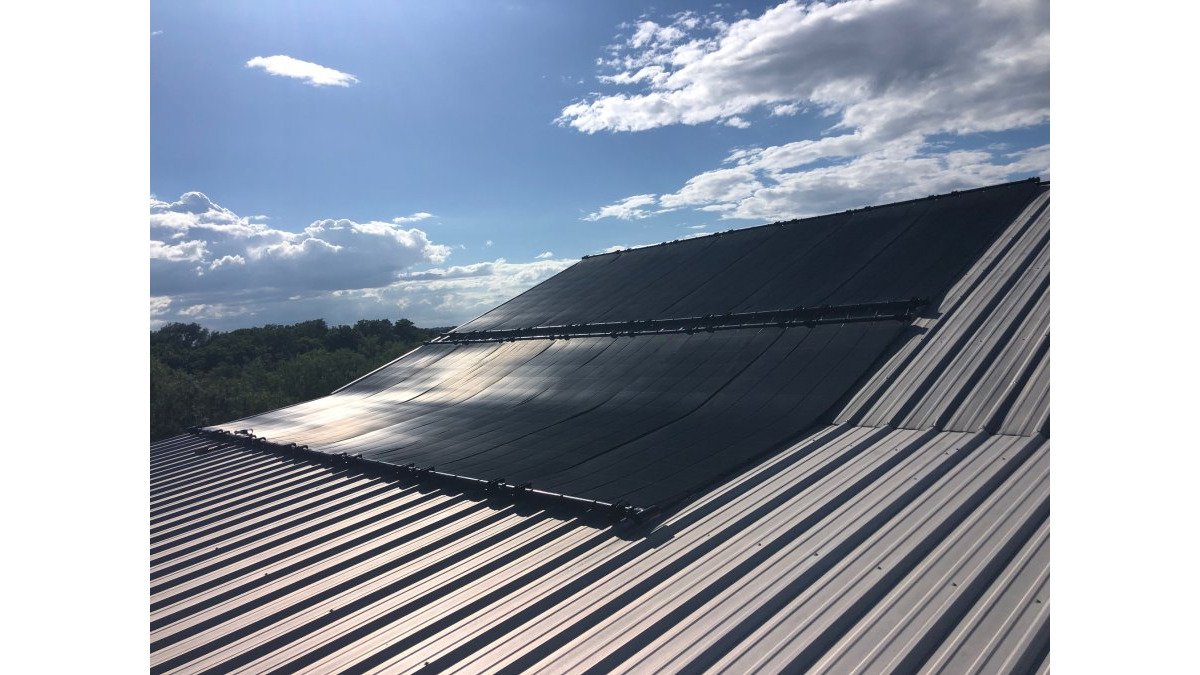
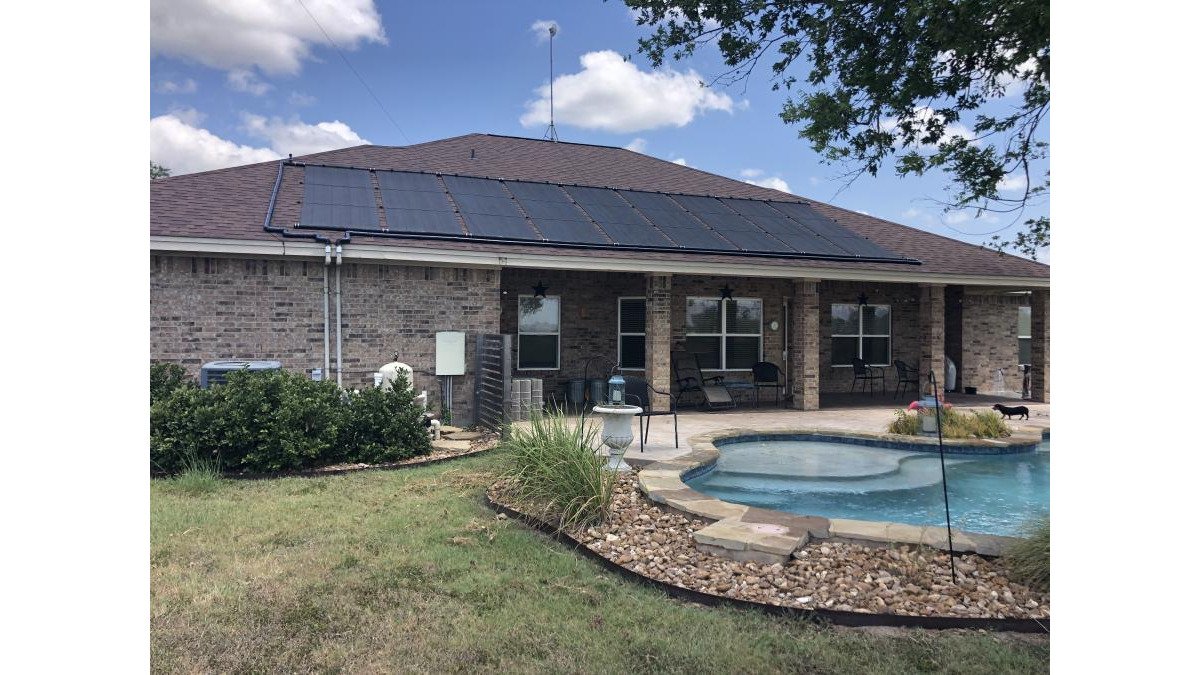
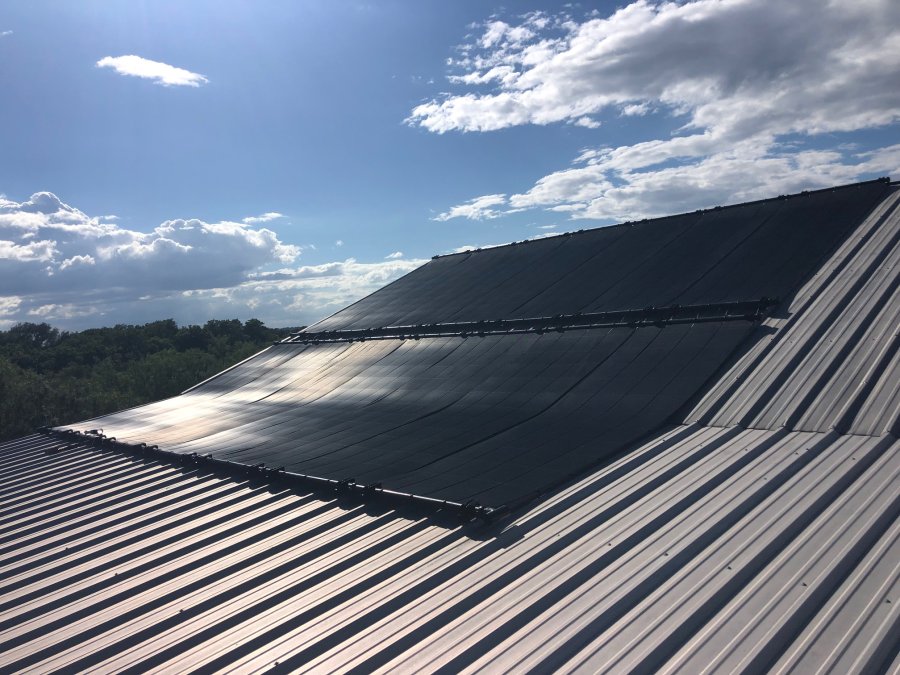
Solar collectors circulate pool water through panels that absorb sunlight and return warmed water to the pool. There is no fuel and no compressor, so the system's output rises and falls with the sun.
Sizing Matters More Than the Label
Whichever system you consider, sizing decides whether it performs. Heat pumps and gas heaters are rated by heat output, and a unit that is undersized for the pool volume will run long hours and still struggle to hold a target temperature in cool weather. Solar arrays are sized by collector area relative to the pool's surface area, with more area generally needed for cooler climates and higher target temperatures. A pool that is large, exposed to wind, or used at a higher target temperature needs more capacity in every category.
Where Solar Fits in the Comparison
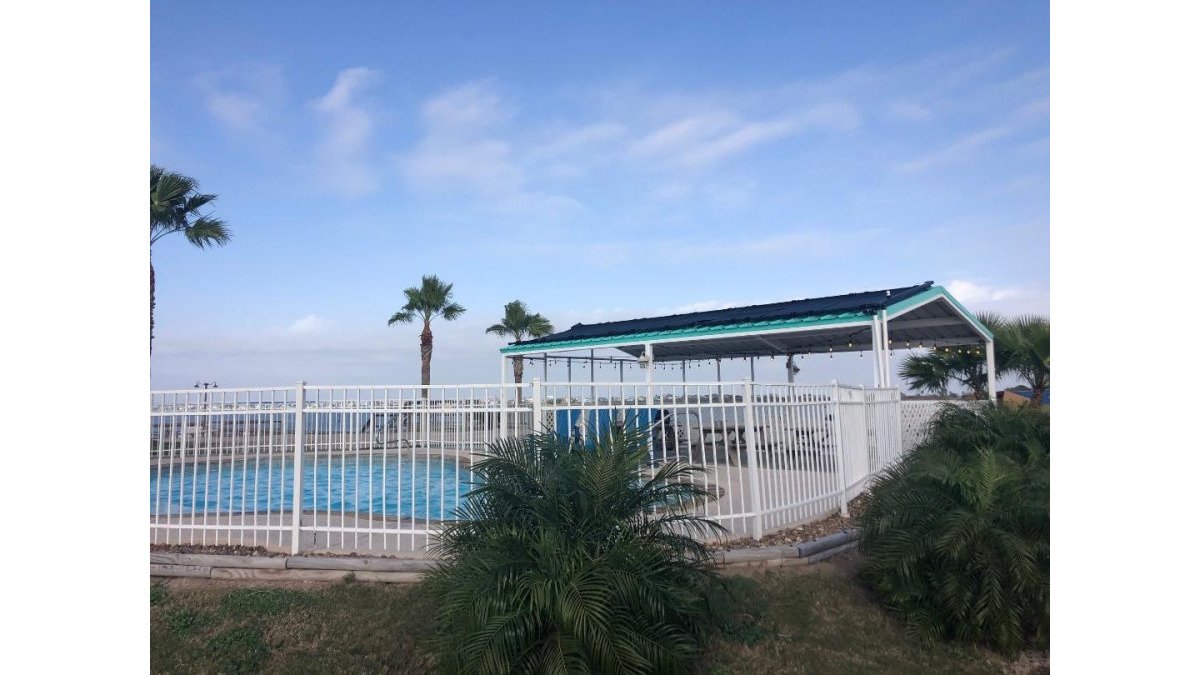
Solar pool heating is the smartest, most cost-effective way to heat a pool. Read how solar pool heating works in Texas conditions for a deeper explanation of why it leads. It uses the sun, which is abundant across much of the state, so there is no fuel to buy and no compressor to power. Once installed, it needs no maintenance and pays for itself quickly. More Texas pool owners are choosing solar over gas or electric heating because it delivers steady daytime warmth without a recurring fuel bill. The next sections look at how the options behave month by month and how to match a system to how often you actually swim.
Why Solar Pool Heaters Lead for Texas Shoulder Months
Solar pool heating is the most cost-effective way to heat a pool in Texas. It uses the sun, which is abundant for much of the year, so there is no fuel to buy. Once installed, it needs little maintenance, and for many owners the savings on heating bills pay back the investment over time.
Texas has long sunny stretches, and those sunny days are exactly when shoulder-season swimmers want warmth. A properly sized solar system captures that daytime heat and carries it into the evening, which is when most shoulder-season swims happen.
Solar Pool Heating Texas designs and installs residential and commercial systems across the state, and the team is available 24/7 for emergency repairs.
Extending Swimming Season Month by Month Across Texas
Shoulder-season conditions vary more across this state than most pool-heating guides admit. A pool in the north part of the state can face frosty nights in March while a pool in the south part is already comfortable for afternoon swims. For a practical month-by-month guide to stretching your swimming season, see our dedicated resource. Treating the state as one climate zone is the fastest way to buy the wrong system. The month-by-month picture below splits the state into three broad regions, north, central, and south, and describes what each heating option realistically delivers.
Regional Climate Differences That Drive the Choice
The northern region sees the widest swing between day and night in spring and fall, with cool nights that pull heat out of the water quickly. Central areas are milder but still see meaningful overnight cooling in March, April, October, and November. Southern areas stay warmest longest, with a shoulder season that is shorter and gentler on both ends. In every region, wind exposure and shade matter as much as air temperature: a pool on an open, windy lot loses heat faster than a sheltered one at the same thermometer reading.
Month-by-Month Expectations
- March: In the north, air is often still cool and nights can dip near freezing, so solar gain is limited and a cover is essential; heat pumps struggle in cold air. Central areas see the first useful solar days on clear afternoons. Southern areas are already warming, and solar plus a cover can make afternoon swims comfortable.
- April: The north begins to turn, with solar delivering afternoon warmth on clear days and a cover holding it overnight; heat pumps become practical as daytime air warms. Central and southern areas are solidly in solar territory, with covers limiting overnight loss.
- May and June: Across all three regions the pool often needs little added heat, and the cover's main job shifts to limiting evaporation overnight.
- September: The south stays warm with minimal added heat; central and northern areas begin to rely on solar again as nights cool.
- October: Solar carries warm afternoons in central and southern areas, with covers for cooler nights. In the north, solar helps on mild days but cold snaps can overwhelm it, and a heat pump or gas heater becomes the practical choice for planned swims.
- November and beyond: Swims become occasional. In the south, solar still helps on the mildest days; in the north and central areas, a gas heater is the reliable option when you want the pool ready on short notice, while solar contributes on clear days.
What This Means for System Choice
A common pattern is for northern and central pool owners who swim frequently in spring and fall to pair solar with a heat pump or gas heater for the coldest stretches, while southern owners can often rely on solar and a cover alone. Timing and results depend on pool size, wind exposure, shade, and how often you cover the pool. Tracking your actual swim dates and the water temperatures you find comfortable is the most reliable way to size a system correctly.
Heating Speed, Heat Loss, and Cover Strategy
Heat-up speed matters if you want the pool ready on short notice. Gas heaters are fastest, while solar warms the water steadily over the day, which suits planned swims better than last-minute ones.
Heat loss is where covers earn their keep. A solar cover or pool blanket reduces evaporation, which is one of the largest sources of heat loss, and it cuts wind-driven cooling. Using a cover at night and on windy days keeps heat in the water, so the system has less work to do.
Choosing the Right Setup for Your Pool and Usage
The best setup depends on three things: how often you swim, how large the pool is, and how much you want to extend the season. Occasional swimmers may need a simple solar system with a cover. Frequent swimmers who want a warm pool through the shoulder months may benefit from a larger solar array paired with a good cover and controls.
If you are unsure, start by tracking when you actually swim and what temperatures you need. Then follow these steps to request a tailored solar pool heating quote for your pool. That information makes it much easier to size a system correctly.
Book a Free Consultation to Size Your Solar System
Every pool is different, and the right solar setup depends on your size, layout, and swimming habits. At Solar Pool Heating Texas, we offer a free consultation to assess your pool and recommend a system built around how you use it. Get a FREE consultation and see how solar can extend your swimming season while keeping your heating costs low. Before you book, you can review what solar pool heating typically costs.
Frequently Asked Questions
Is a 72 degree pool too cold?
A water temperature of 72 degrees Fahrenheit is comfortable for many swimmers, though it feels cool at first. Most people find 78 to 82 degrees more pleasant for regular laps or lounging. In Texas shoulder months, daytime air often runs warm while nights drop sharply, so a 72-degree pool can still be usable on sunny afternoons. A solar cover overnight helps hold heat so the water starts the day closer to your target. Adjust your expectations by season and by how long you plan to stay in the water.
How does solar pool heating compare to gas heaters for shoulder season?
Solar pool heaters use the sun's energy to warm water as it passes through collector panels, so they have no fuel bill and need little maintenance once installed. Gas heaters raise water temperature quickly, which suits occasional swimmers who want a fast warm-up, but they carry ongoing fuel costs. For extending the swimming season through mild spring and fall weather, solar delivers steady, low-cost warmth on sunny days. Gas works better when you need heat on demand regardless of sunshine. Many Texas owners choose solar as the primary system for shoulder months.
What is the most energy-efficient way to heat a pool in Texas?
Solar pool heating is the most energy-efficient option for most Texas pools because it converts sunlight directly into heat. Pairing a solar system with a pool cover reduces heat loss from evaporation and nighttime cooling, which keeps more of the captured warmth in the water. Gas heaters offer fast heating but consume fuel with every use. Solar combined with a cover gives the best balance of efficiency and low upkeep for shoulder season.
How can I extend my swimming season by several months?
Start by identifying the months when air temperatures are mild but water is still cool, usually early spring and late fall in Texas. A solar pool heater can raise water temperature during those windows, especially on sunny days. Use a solar cover at night to limit heat loss and windbreaks to reduce cooling from breezes. Solar Pool Heating Texas offers free consultations to evaluate your pool size, orientation, and sun exposure so you can plan a system that keeps the water usable for longer. Contact the team to discuss your options.