 How-to
9 Solar Panel Questions Austin Homeowners Ask First
Last Updated: November 18, 2026
Quick Summary
Solar panels Austin homeowners install for a pool use sunlight already falling on the roof or yard, so the ongoing heating cost is close to zero. Collector area scales with the water surface, so pool size is the biggest driver of system size. Ask any installer for an itemized quote covering collectors, mounting, plumbing, controls, and labor.
- Solar pool heating needs little maintenance beyond normal pool care.
- Collector area scales with the water surface, making pool size the biggest factor.
- Tell your installer your target temperature and the months you want to swim.
- Roof-mounted or ground-mounted collectors both work, depending on shade and roof suitability.
- Ask for an itemized quote and a warranty covering collectors and controls.
Table of Contents
- Why Austin Homeowners Are Looking at Solar Panels Now
- Solar Panels Austin Cost: What Drives the Price
- Finding the Best Solar Panels Austin Has to Offer
- Does Your Roof, Shade and Pool Suit Solar?
- Solar Battery Storage Austin: Keeping Power During Outages
- How Long Solar Panel Payback Takes in Austin
- Booking Your Free Consultation for a Solar Pool Heating Quote
- Frequently Asked Questions
Why Austin Homeowners Are Looking at Solar Panels Now
Solar panels installed for a pool can cut the cost of heating it and lower the power bill that comes with it. Many pool owners ask whether solar is worth the switch, and for most pool owners the reasons are practical rather than theoretical.
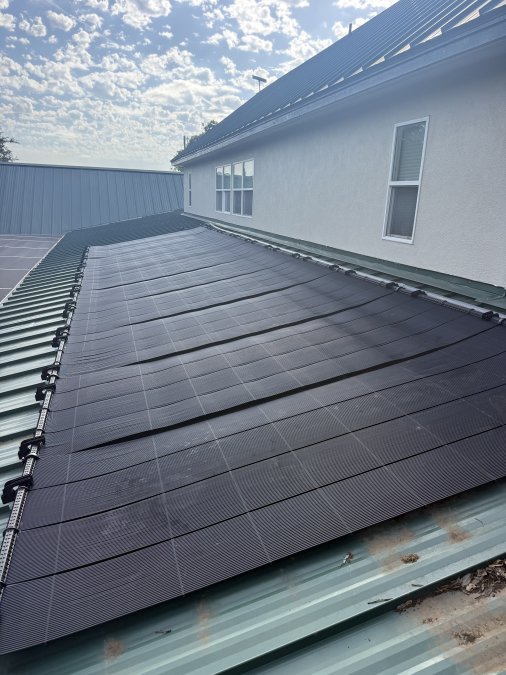
Pool heating is one of the largest discretionary energy costs for many Texas households. Gas heaters burn fuel every hour the pool runs, and electric heat pumps draw steady power through the summer and shoulder seasons. Solar collectors use sunlight that is already falling on the roof or yard, so the ongoing energy cost is close to zero.
Texas gives this a strong fit. Long stretches of sun from spring through fall mean collectors do most of their work when pools are in use. U.S. Department of Energy solar energy basics
Solar Panels Austin Cost: What Drives the Price
The more useful answer for a pool owner is to understand what actually drives the size and complexity of a solar pool heating system, because those are the levers you control when you compare designs. Solar pool heating is an efficient way to heat a pool: it uses sunlight already falling on your property and needs little maintenance beyond normal pool care.
The variables that matter most are set by the pool itself:
- Surface area. Collector area scales with the water surface, not the yard. A larger pool needs more collector panels to hold a comfortable temperature, and that is the single biggest driver of system size.
- Target water temperature and season length. A system meant to take the chill off in spring is sized differently from one meant to extend swimming well into fall. Tell your installer the temperature you actually want and the months you want to swim.
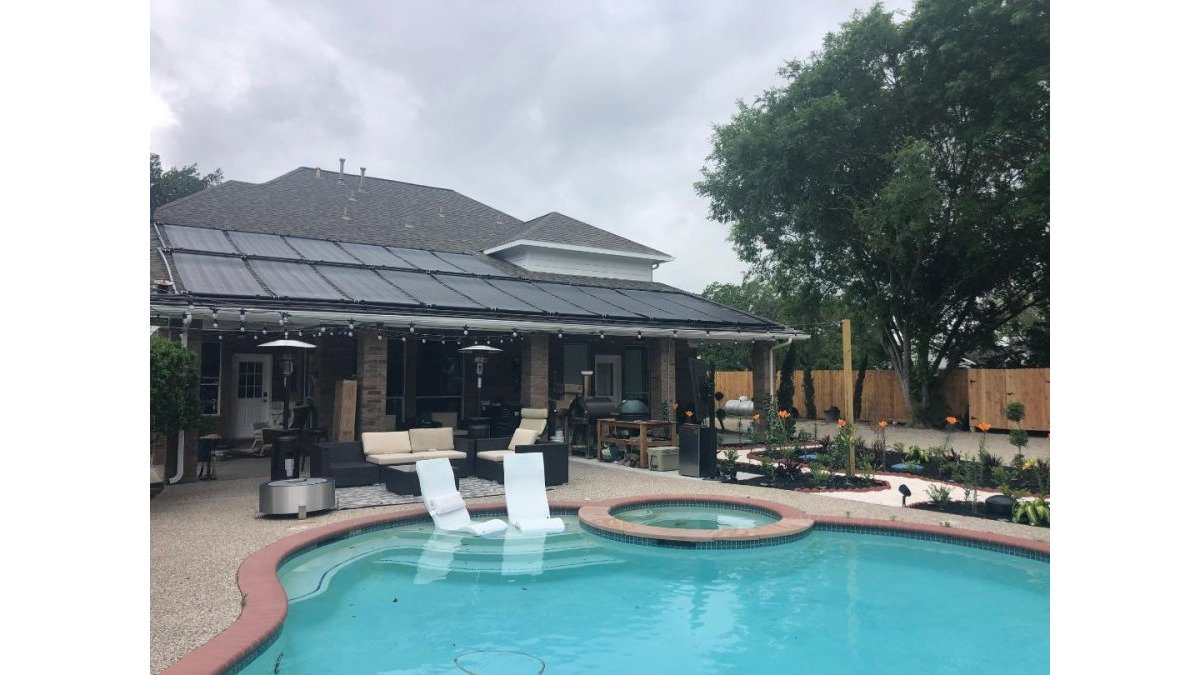
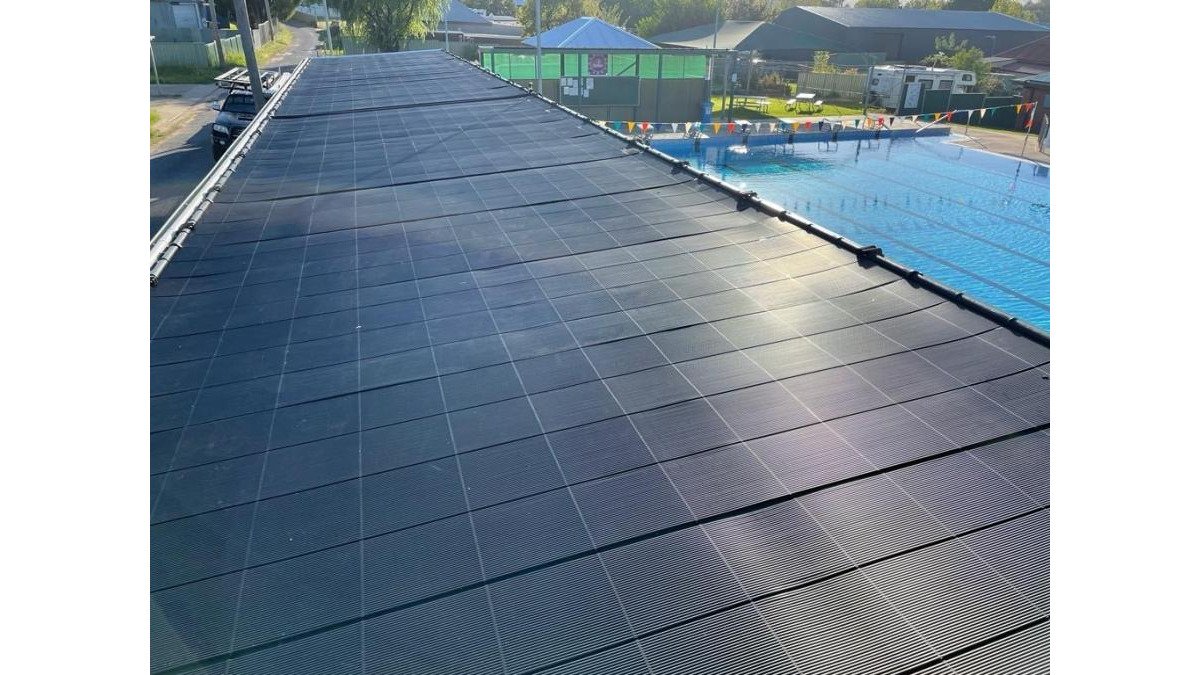
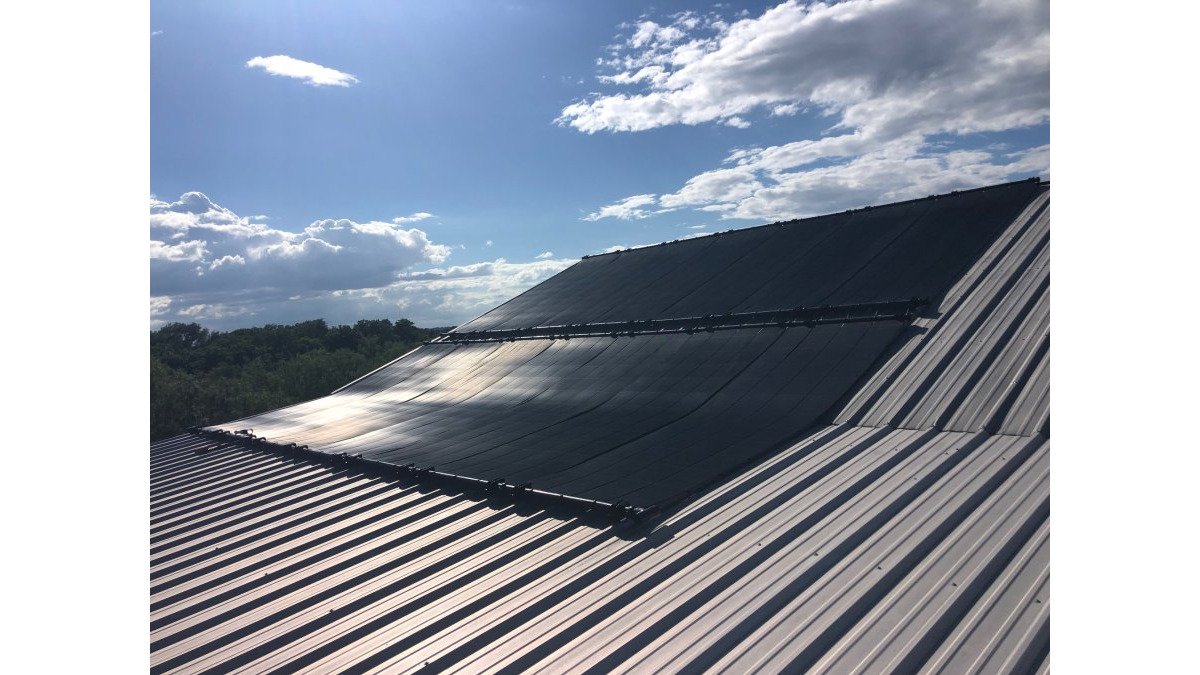
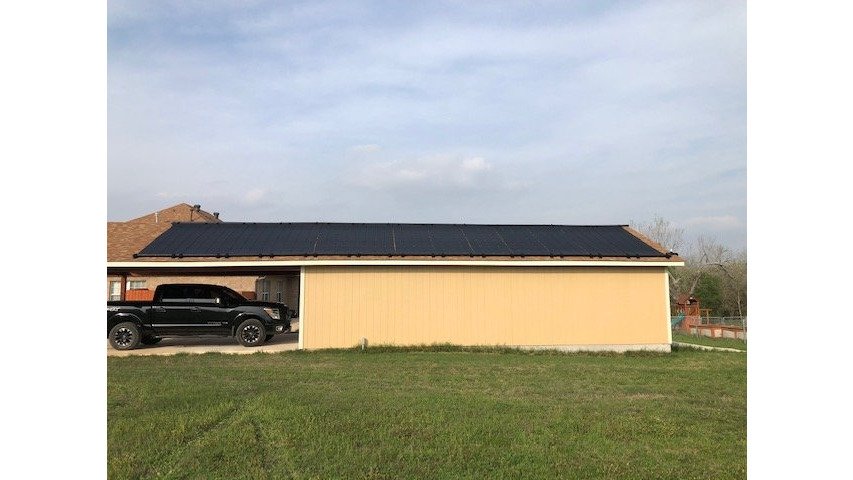
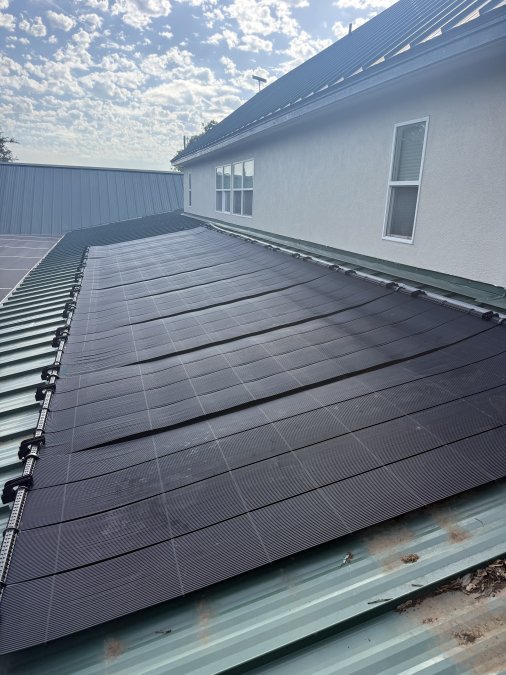
- Collector location. Roof-mounted collectors are common, but ground mounts or a rack on a fence line can work when the roof is shaded or crowded. Location affects plumbing runs, mounting hardware, and how much sun the collectors see.
- Plumbing distance and pump integration. The farther the collectors sit from the pool equipment, the more pipe and the more careful the flow design. Your existing pump and filter also shape how the system ties in.
- Controls and automation. A controller that compares collector temperature to pool temperature decides when the pump diverts water through the collectors. Better controls mean the system runs only when it is actually gaining heat.
When reviewing any proposal, ask for the design broken into collectors, mounting, plumbing, controls, and labor so you can see what each bid includes.
Solar pool heating has no fuel cost and needs little routine maintenance. More Texas pool owners are choosing solar over gas or electric heating for that reason.
The article names the main variables that set the size and complexity of a solar pool heating system.
| Variable | What it affects | Why it matters |
|---|---|---|
| Surface area | System size | Collector area scales with the water surface |
| Target temperature and season | Sizing | Spring warmth and fall swimming need different designs |
| Collector location | Mounting and plumbing | Roof, ground or fence-line placement affects sun exposure |
| Plumbing distance | Flow design | Farther collectors need more pipe and careful flow |
| Controls and automation | Run timing | Pump diverts water only when collectors gain heat |
Finding the Best Solar Panels Austin Has to Offer
Not every solar installer is set up for pool heating, so start by asking whether the company designs and installs pool systems specifically. Solar Pool Heating Texas specializes in residential and commercial solar pool heating, partners with SolarTEK, offers a 100% satisfaction guarantee, and provides emergency repair support available 24/7.
When you compare options, look at these points:
- Does the company size the system from your pool's dimensions and location?
- Is the quote itemized, with installation and plumbing shown separately?
- What warranty covers the collectors and the controls?
- Who handles service calls after installation?
Asking these questions early saves time and prevents surprises later.
Does Your Roof, Shade and Pool Suit Solar?
A few factors decide how well a given setup will perform. Roof orientation and pitch matter if you plan to mount collectors on the house. Ground-mounted collectors work well when the roof is shaded or unsuitable. Compare roof-mounted and ground-mounted pool solar collectors to see which layout fits your yard.
Trees and nearby structures that block sunlight for much of the day will reduce output, so check the sun path across your yard at different times of year.
If the answer is unclear, a site visit lets an installer measure the space and sun exposure before you commit.
Solar Battery Storage Austin: Keeping Power During Outages
Pool heating systems that use solar collectors generally run on the water flow from the pump rather than from stored electricity, so a battery is not required to heat the water. Battery storage becomes relevant when homeowners also want backup power for the pump, lights, or other household loads during an outage.
If backup power matters to you, ask whether the pump and controls can run during a grid interruption and what size battery would cover those loads. Those details depend on your home and equipment, so confirm them in writing with your installer.
How Long Solar Panel Payback Takes in Austin
Payback is the point where what you would have spent on gas or electric heating equals what the solar system saves. Payback depends on your own heating habits, and you can estimate it yourself with a few inputs. The Texas solar tax credit overview explains how incentives can shorten the timeline.
Here is the reasoning a pool owner can actually run:
- Add up a full season of heating. Pull your gas or electric bills for the months you heat the pool and total what heating cost you. Include the shoulder months, not just midsummer.
- Note how you actually use the pool. A heater that runs every hour the pool is open costs far more than one used on weekends. Your real usage, not a generic estimate, sets the baseline.
- Compare against solar's ongoing cost. Solar collectors use sunlight already falling on your roof or yard, so the ongoing energy cost is close to zero and there is no fuel to buy. That is the number solar is competing against.
- Factor in maintenance you no longer need. Gas heaters and heat pumps carry service and repair costs over their life. Solar pool heating needs no maintenance beyond normal pool care, which shortens the effective payback.
Homeowners who currently run a gas or electric heater are replacing a fuel or power bill that recurs every season, and homes that heat only occasionally will see a different payback timeline.
A payback estimate built on someone else's utility bills will not match yours, so run the numbers with your own season totals and ask any installer to show the assumptions behind every figure. For a focused answer, see how long a solar pool heater takes to pay off.
This is also why more Texas pool owners are choosing solar over gas or electric heating. Solar is the smartest, most cost-effective way to heat a pool: it needs no maintenance, it does not burn fuel, and it pays for itself quickly once the season-by-season comparison is done honestly. For background on how solar heating systems are designed and how they save energy, the Energy Saver guide to solar water heating is a useful starting point.
Booking Your Free Consultation for a Solar Pool Heating Quote
A free consultation is a practical way to find out whether solar fits your pool. Solar Pool Heating Texas can review your pool, roof and yard, and explain sizing and installation options for your setup.
To get started, request your consultation, share your pool dimensions and current heating setup, and let the team walk you through a quote with every line item explained. Our step-by-step guide to getting a solar pool heating quote shows what to prepare first.
Frequently Asked Questions
Are solar panels worth it in Austin?
For many Texas pool owners, yes. Solar pool heating uses the sun to warm water, so the system carries no fuel bills and needs little upkeep. Long, sunny seasons give solar collectors plenty of daylight to work with. Whether it pays off for your pool depends on how often you heat it and how much you currently spend. A free consultation with Solar Pool Heating Texas can help you estimate the return for your specific setup.
Do solar panels work during a power outage?
Standard grid-tied solar systems shut down during an outage for safety reasons, so they do not supply power to your home on their own. Adding battery storage lets a system keep essential loads running when the grid goes down, though a battery sized for a pool pump and home circuits is a separate decision from the pool heater itself. Solar Pool Heating Texas can explain how a solar pool heating system fits alongside your existing equipment and whether storage makes sense for your home.
Is solar still worth it in 2026?
Solar pool heating remains one of the most practical ways to heat a pool in Texas. It has no fuel costs, requires minimal maintenance, and extends the swimming season well beyond what an unheated pool allows. Solar Pool Heating Texas offers a free consultation to review your pool size, roof or ground layout and expected use before you decide.