 Comparison
Roof Mounted vs Ground Mounted Pool Solar Collectors
Last Updated: November 13, 2026
Quick Summary
Roof mounted pool solar collectors suit homes with large, sunny roofs and keep equipment out of sight, while ground mounted systems fit properties with shaded, small, or awkward roofs. Ground racks let you adjust tilt and orientation, but roof arrays often sit closer to the equipment pad for shorter plumbing runs.
- A roof fixes your tilt angle, so you get the sun your roofline allows rather than the ideal angle.
- Ground racks let you set tilt and orientation yourself, the biggest practical advantage over a roof array.
- Even a small shadow across part of an array pulls down output of the whole system.
- A distant ground array needs more careful pipe sizing to keep the filter pump working efficiently.
- Check a candidate spot at morning, mid-morning, early afternoon, and late afternoon, not just at noon.
Table of Contents
- Roof Mounted vs Ground Mounted Pool Solar Collectors at a Glance
- Why Solar Is the Most Effective Way to Heat a Texas Pool
- Roof Mounted Systems: Space, Sun, and Structural Checks
- Ground Mounted Solar Pool Heater Basics
- Solar Pool Collector Placement and Orientation
- Solar Pool Heating System Efficiency: What Actually Changes Output
- Solar Pool Heater Installation Options and Site Prep
- Choosing the Right Setup for Your Property
- Frequently Asked Questions
Roof Mounted vs Ground Mounted Pool Solar Collectors at a Glance
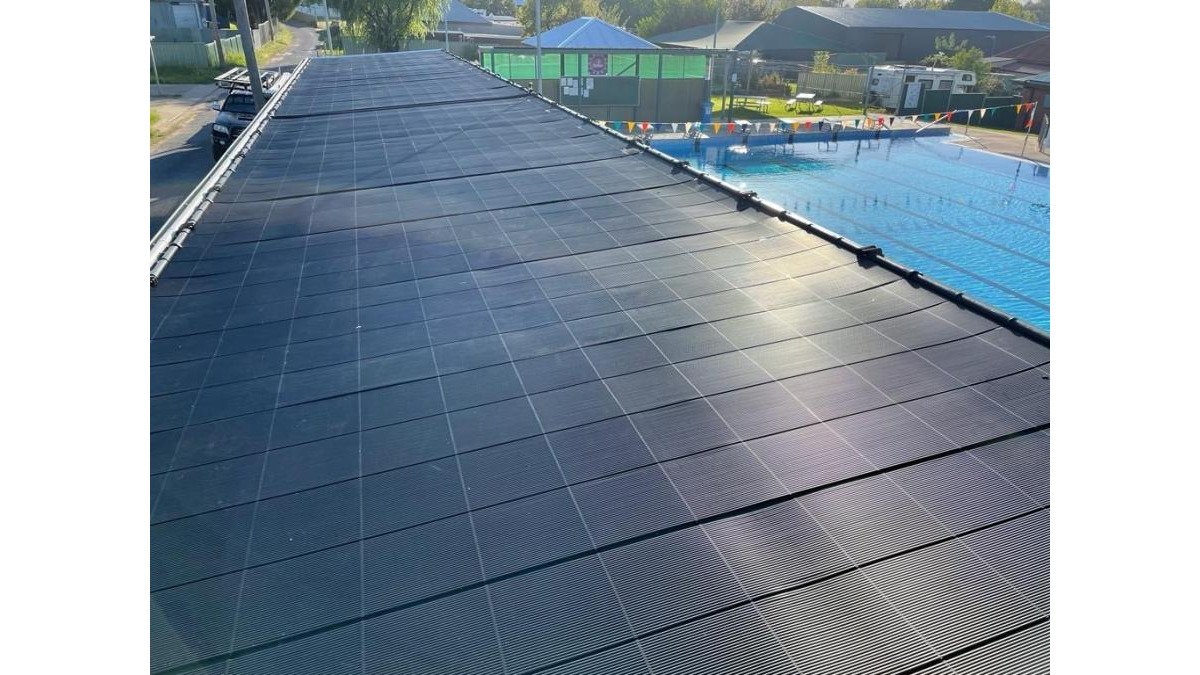
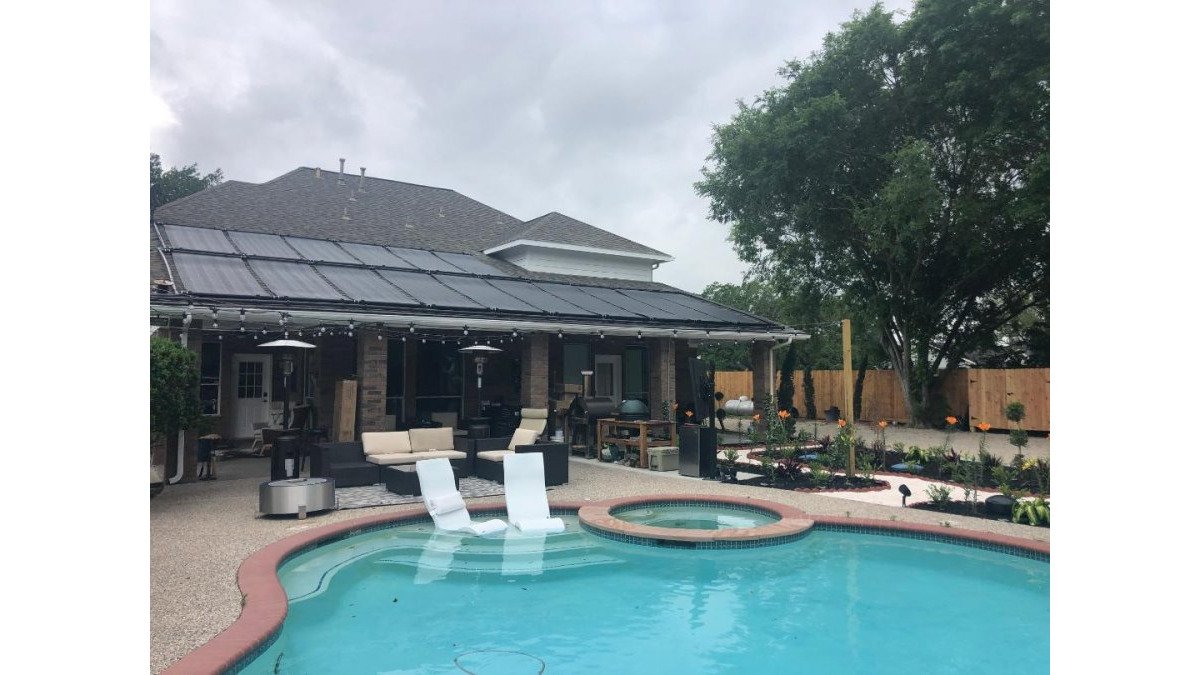
The short answer: roof mounted pool solar collectors win when your roof gets strong sun and you want the equipment out of sight, while ground mounted systems win when roof space is tight, shaded, or awkward. This decision shapes everything that follows, from collector placement to how well the system heats your water.
Most guides treat this as a simple space question. It is not. The choice affects sun exposure, wind exposure, plumbing runs, and how easy the system is to clean and service.
Side-by-Side Comparison Table
| Factor | Roof Mounted System | Ground Mounted System |
|---|---|---|
| Space source | Available roof space | Yard or ground space |
| Sun exposure | Depends on roof pitch and shading | Easier to position for full sun |
| Orientation and tilt | Fixed by roof angle | Adjustable on a mounting rack |
| Wind exposure | Higher on exposed rooflines | Lower, can use ground shelter |
| Plumbing run | Often shorter to pool equipment | Pipe distance can be longer |
| Access for maintenance | Harder, needs safe roof access | Simple walk-up access |
| Structural checks | Roof condition and roof structure matter | Ground preparation matters |
| Visibility | Hidden from the yard | Visible, needs a tidy layout |
| Best for | Homes with large, sunny roofs | Homes with shaded or small roofs |
Why Solar Is the Most Effective Way to Heat a Texas Pool
Solar pool heating is the process of circulating pool water through solar pool collectors so the sun warms it before it returns to the pool.
Texas gives this approach a real advantage. Long, bright summers and plenty of clear days mean solar exposure is abundant for most of the swimming season.
That is also why more Texas pool owners are moving away from gas and electric heating. If you are new to the idea, our guide on how solar pool heating works in Texas explains the basics before you compare mounting options.
Roof Mounted Systems: Space, Sun, and Structural Checks
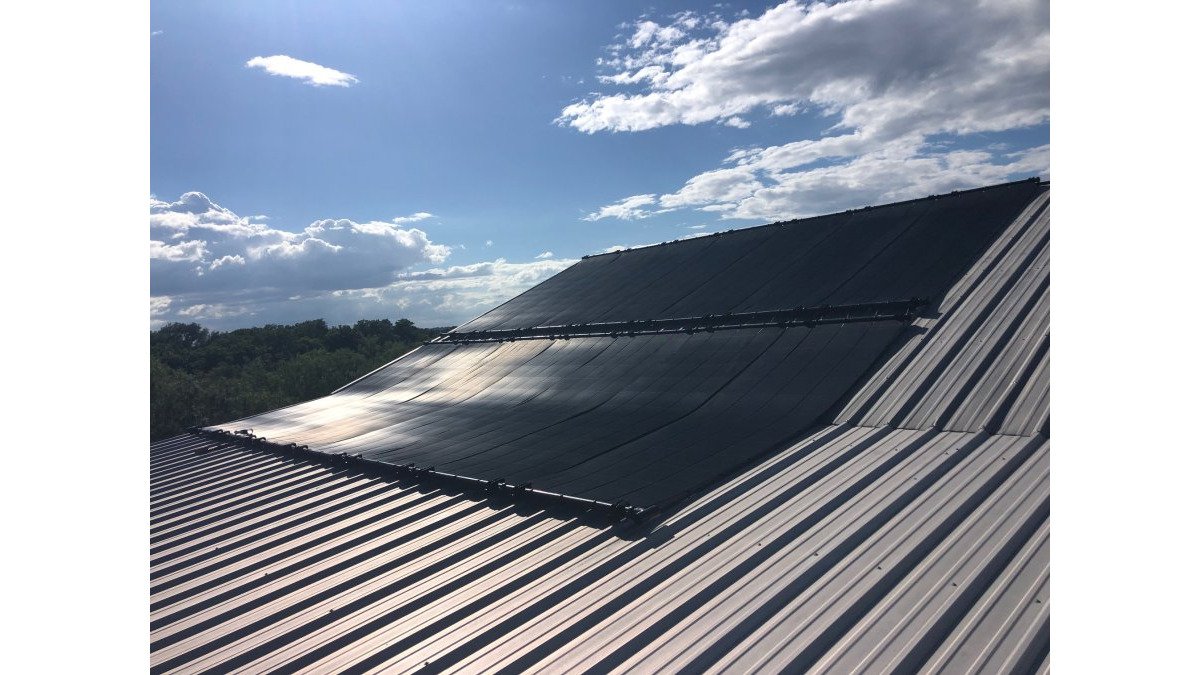
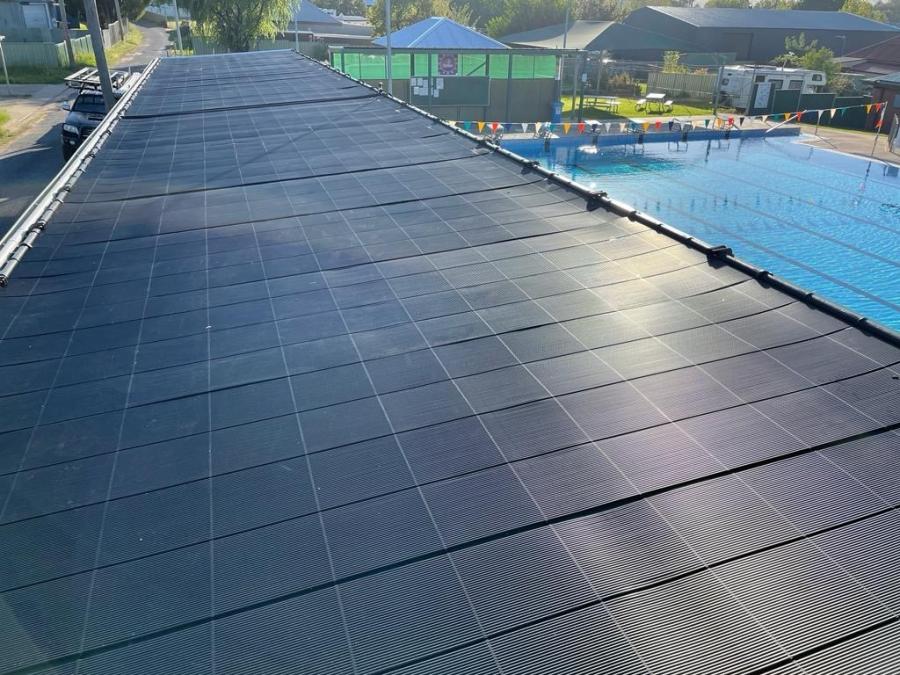
Roof mounted systems use the space above your home, so they never eat into your yard. For many properties that is the deciding factor, especially where the backyard is small or already full of patio, landscaping, and a pool deck. The trade-off is that the roof has to earn the job, and that takes more than a glance at the shingles.
A practical roof checklist
Work through these before you commit to a roof array:
- Roof age and remaining life. Putting an array on a roof that is near the end of its service life creates a sequencing problem. If the roofing is due for replacement soon, the roof should be addressed first so the array is not mounted twice.
- Roof structure and load capacity. Collectors are light when dry but noticeably heavier when filled with water, and the mounting hardware and pipework add more. The load path, rafters, trusses, sheathing, and the attachment points, should be confirmed by someone qualified to judge it rather than assumed.
- Roof covering and condition. Asphalt shingle, tile, metal, and flat membrane roofs each accept mounting hardware differently. Cracked tiles, lifted shingles, soft decking, or active leaks are red flags that should be resolved before anything goes up.
- Penetrations and waterproofing. Every attachment point is a hole in the roof, and every hole is a future leak if it is not sealed correctly. Ask how the mounting hardware is flashed and sealed, and confirm that the waterproofing method suits your specific roof covering.
- Warranty implications. Roof warranties and collector warranties can both be affected by how the array is attached and by who does the work. Read the fine print on both before signing, and get the installer's approach to flashing and sealing in writing.
- Sun and shade. Chimneys, dormers, vent stacks, trees, and nearby buildings can shade part of the array. Because a shadow on one section drags down output across the array, map the sun across the roof at several points in the day, not just at noon.
Orientation and wind on a roof
Orientation is the trade-off. A roof fixes your tilt angle, so you get the sun your roofline allows rather than the ideal angle.
Flat roofs raise their own question about mounting style. Our comparison of ballasted vs roof-mounted solar pool heaters for flat roofs covers which approach suits a flat roof best.
Ground Mounted Solar Pool Heater Basics
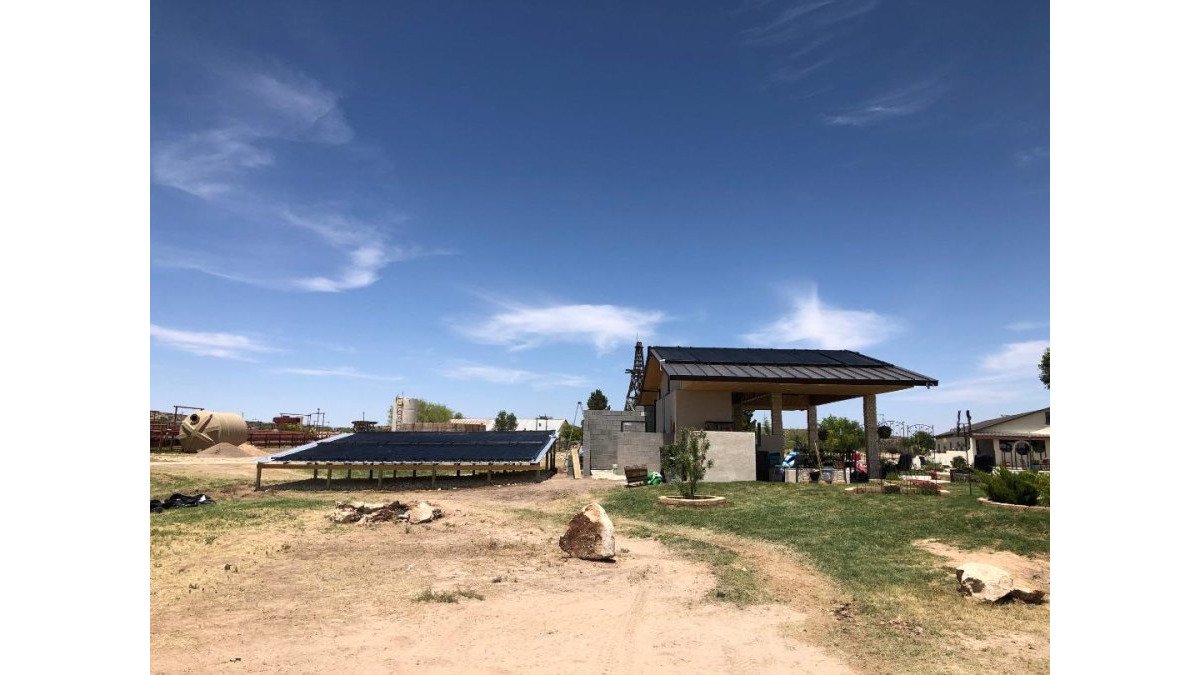
A ground mounted solar pool heater sits on a mounting rack at ground level, usually near the pool equipment pad or along a fence line.
Ground space becomes the constraint instead of roof space. You need enough clear area for the collector area your pool size requires, plus room to walk around for cleaning and service.
Wind exposure is lower at ground level, and some owners use fences or hedges as shelter.
Solar Pool Collector Placement and Orientation
Collector placement matters more than most buyers expect, and it is where a pool-heating-specific comparison differs from generic solar-panel advice. Pool collectors are thermal panels, not photovoltaic ones: they do not care about peak sun hours for electricity, they care about how much sunlight lands on the absorber across the hours your pump is actually running. That single distinction changes how you judge orientation, tilt, and shade.
Orientation: match the array to your pump schedule
Solar pool collectors should face the direction that catches the most sun during the part of the day your filtration system runs. A ground rack lets you aim the array, while a roof array inherits whatever direction the roof already faces.
East- and west-facing surfaces are not disqualifying. An east-facing array front-loads heating into the morning; a west-facing array back-loads it into the afternoon.
Tilt angle: a seasonal lever, not a fixed number
Tilt angle follows the same logic. A steeper tilt favors the lower sun angles of spring and fall, a flatter tilt favors the high summer sun. On the ground you can choose the tilt and even adjust it seasonally on many racks; on a roof you work with the pitch you have. A shallow roof pitch tends to favor summer output, while a steep pitch tends to favor the shoulder months, useful to know if your swimming season runs long.
Shade: the quiet killer, and how to test for it
Shading is the quiet killer. Even a small shadow across part of an array pulls down the output of the whole system, because the collector works as a single hydraulic loop rather than a set of independent panels. A tree that casts afternoon shade can erase much of the benefit of a larger array.
Test shade properly rather than eyeballing it:
- Check the candidate spot at several points in the day, morning, mid-morning, early afternoon, and late afternoon, not just at noon.
- Check it again in a different season if you can, because sun angles and bare-versus-leafy trees change the picture.
- On a roof, watch for shade from chimneys, dormers, vent stacks, and the shadow the array can cast on itself if rows are stacked too closely.
- On the ground, remember that you can move the rack, trim back planting, or shift the layout, a flexibility a roof array does not have.
Watch out: a spot that looks sunny in a single midday visit can be shaded for two or three hours of the afternoon, which is exactly when a west-facing array would otherwise be doing its best work.
Solar Pool Heating System Efficiency: What Actually Changes Output
Solar pool heating system efficiency comes down to a handful of physical factors, not brand claims. Collector area relative to pool size sets the ceiling. Sun exposure and shading set how much of that ceiling you reach.
Then there is the hydraulic side, which most comparisons skip. Pipe distance between the collectors and the pool equipment adds resistance, and a longer run can reduce flow if the plumbing is not sized for it. A roof array often sits closer to the equipment pad, which helps.
Solar Pool Heater Installation Options and Site Prep
Site preparation separates a smooth installation from a problematic one. For a roof array, that means confirming roof condition and structure before anything is mounted.
The system ties into your existing pool filtration system and filter pump, so the route from collectors to equipment pad needs to be planned carefully.
If you want the full picture of what happens on installation day, our walkthrough of the residential pool solar panel installation process covers each stage. For a broader view of solar pool heating installation options, we break down how the pieces come together.
Choosing the Right Setup for Your Property
Use this decision framework to settle the roof versus ground question for your own property:
- Roof gets strong sun most of the day? Lean roof mounted.
- Roof heavily shaded, small, or in poor condition? Lean ground mounted.
- Yard has clear, sunny ground space? Ground mounting becomes practical.
- Want the equipment out of sight? Roof mounted hides it.
- Need easy access for cleaning and service? Ground mounted wins.
- Long pipe run from the preferred spot to the equipment pad? Plan the plumbing carefully either way.
If you are still weighing solar against a heat pump, our comparison of solar pool heater vs heat pump helps confirm the direction before you pick a mounting style.
The right mounting choice protects your heating performance for years, and the wrong one quietly undercuts it. Solar Pool Heating Texas provides residential and commercial solar pool heating installation and repair across Texas, in partnership with SolarTEK, and offers a 100% satisfaction guarantee and 24/7 availability for emergency repairs.
Frequently Asked Questions
Which type of solar collector is most efficient for pool heating?
Both roof mounted and ground mounted pool solar collectors use the same unglazed plastic panel technology, so the collector itself performs similarly. What changes efficiency is placement: full sun, correct tilt, minimal shading, and short pipe runs. A well-placed ground array and a well-placed roof array can produce comparable heat. The deciding factor is usually which location gives you more unshaded space and easier plumbing access.
What are the pros and cons of roof mounted and ground mounted pool solar collectors?
Roof mounted systems save yard space and often sit above nearby shade, but they depend on roof condition, structure, and available area. Ground mounted systems offer flexible sizing and easy access for cleaning and repair, but they need open yard space and mounting racks. For many Texas homes, the choice comes down to roof suitability versus ground space.
Does roof direction affect solar pool heating performance?
Yes. In the Northern Hemisphere, collectors facing south collect the most sun, with east and west orientations producing less. Flat roofs and ground racks can be tilted toward the sun, which gives ground mounted systems an edge when your roof faces the wrong way. Shading matters just as much: a tree that shades the roof at midday will cut output regardless of direction.
How much unshaded space do ground mounted pool collectors need?
A ground array takes real yard space, plus clearance for maintenance and wind exposure. Measure the unshaded footprint at midday, not just the total yard size, before committing to a ground mounted layout.
Can pool solar collectors be installed on a ground mounted rack?
Yes. Ground mounted racks hold the panels at the correct tilt angle and keep them off the soil, which improves airflow and simplifies plumbing runs to the pool filtration system. Racks must be anchored for wind exposure and positioned for full sun. Many Texas properties use ground racks when roof space is limited or the roof faces away from the sun.