 blog
Solar Pool Heater vs Gas Heater in Texas: What to Know
Last Updated: November 7, 2026
Quick Summary
Choosing a solar pool heater vs gas heater in Texas comes down to how each makes heat: solar collectors use free sunlight with no fuel cost, while gas heaters burn fuel every hour they run. Solar needs no maintenance, pays for itself quickly, and is the smartest, most cost-effective way to heat a pool.
- Solar collectors capture free energy from the sun, while gas heaters burn fuel on demand.
- A gas heater heats fast in any weather, but its bill rises with every hour of use.
- Solar performs best with steady daily use and a cover to limit heat loss.
- Solar pool heating can extend the swimming season by up to nine months in Texas.
- A hybrid pairs solar for everyday warmth with gas for quick boosts or cold snaps.
Table of Contents
- How Solar and Gas Pool Heaters Work in Texas
- Solar Pool Heater vs Gas Heater Cost: Upfront and Ongoing
- Heating Speed and Performance in Cold Weather
- Best Solar Pool Heater for an Inground Pool
- Pool Heater Sizing for a 20,000-Gallon Pool
- Solar Pool Heating Season Length in Texas
- When a Hybrid Solar and Gas Setup Makes Sense
- Get a Free Consultation for Your Solar Pool Heating Plan
- Frequently Asked Questions
How Solar and Gas Pool Heaters Work in Texas
Choosing between a solar pool heater vs gas heater in Texas comes down to how each system makes heat. Solar collectors capture free energy from the sun. Gas heaters burn fuel on demand. That single difference shapes everything else: operating habits, performance in cooler weather, and how much you rely on the system day to day. The answer usually depends on how and when you actually swim.
Solar Collectors and the Sun's Free Heat
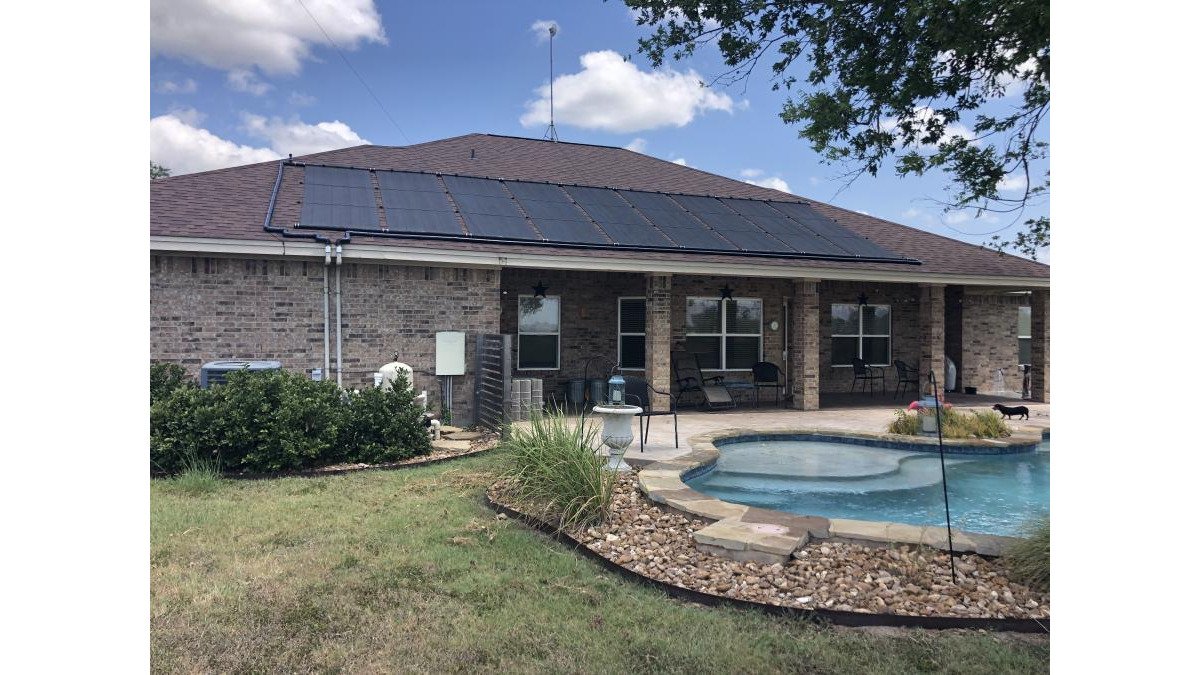
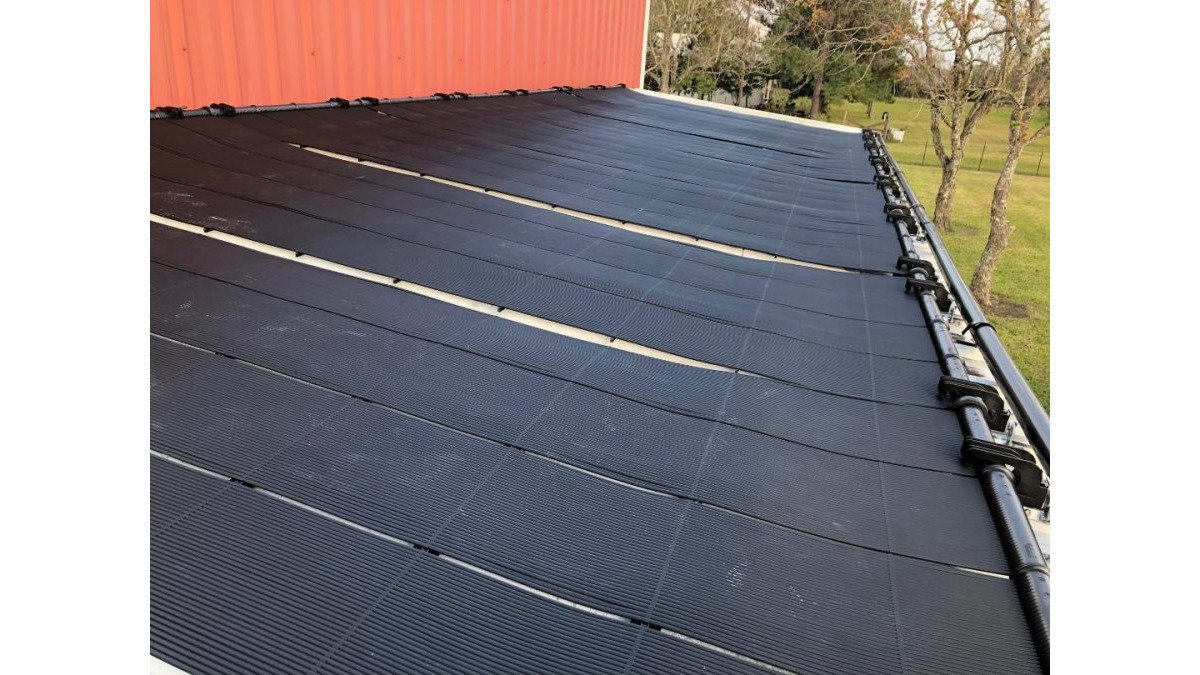
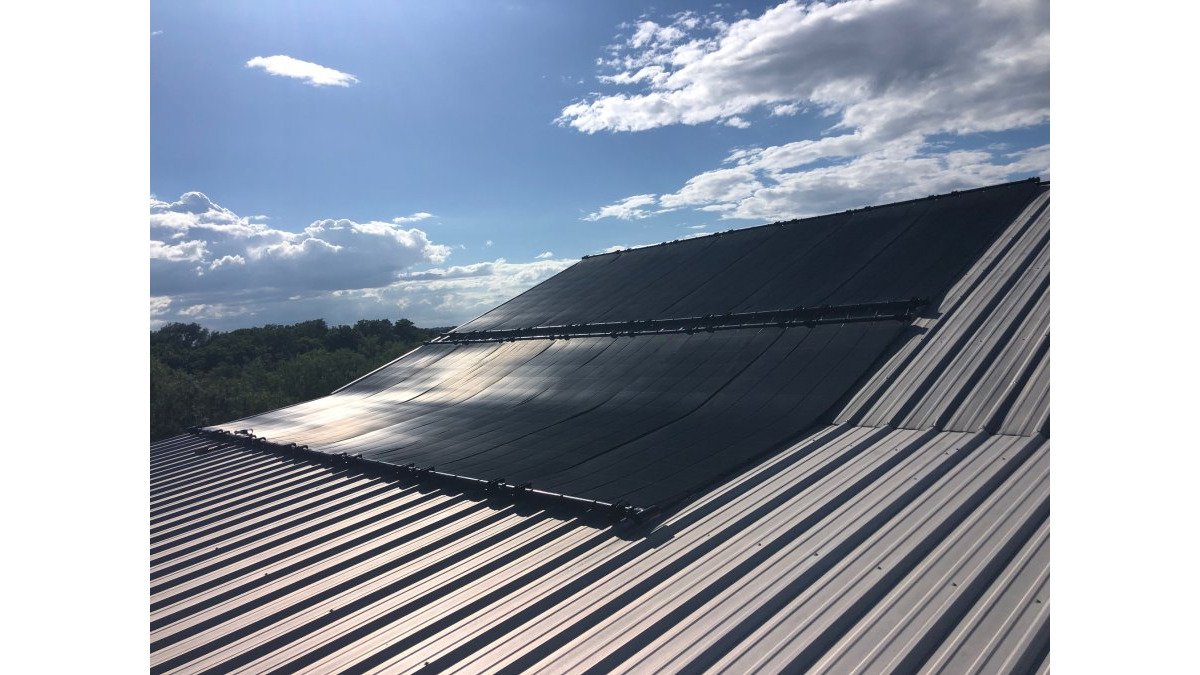
Solar pool heating is a system of dark collector panels, usually mounted on a roof or rack, that circulate pool water and warm it with sunlight. A small pump moves water through the panels, and the sun does the rest. There is no flame, no fuel, and no combustion. Once the panels are installed, the energy source costs nothing.
Gas Heaters and On-Demand Flame
A gas pool heater burns natural gas or propane to heat water as it passes through a heat exchanger. It works fast and runs regardless of weather, which is its main appeal. The trade-off is that every hour of heat consumes fuel, so the monthly utility bill climbs with use.
Solar Pool Heater vs Gas Heater Cost: Upfront and Ongoing
The solar pool heater vs gas heater cost comparison is where the two systems separate most clearly. A solar system produces heat from sunlight at no fuel cost, which makes it an efficient way to heat a pool over the long term.
A gas heater converts fuel into heat every hour it runs, so your utility bill scales with how often you swim. A solar array captures energy that is already falling on your roof, so once the system is in place, the marginal cost of an extra swim day is essentially zero.
Here is how the two compare on the factors that matter:
| Factor | Solar Heater | Gas Heater |
|---|---|---|
| Upfront investment | Higher | Lower |
| Ongoing fuel cost | None (sunlight) | Charged per use |
| Cost behavior over time | Fixed after install | Rises with every hour of use |
| Weather dependence | Yes | No |
| Maintenance needs | Minimal | Burners and parts |
| Lifespan | Long | Shorter with heavy use |
| Payback | Recovers its investment, then heats for free | Never stops billing |
For a closer look at what a solar system involves, our guide on how much solar pool heating costs breaks down the full picture.
Heating Speed and Performance in Cold Weather
A gas heater can raise pool water temperature quickly, which suits a homeowner who decides to swim on short notice. Solar heats more gradually, banking warmth over sunny days. In cooler weather, gas keeps working while solar output drops when cloud cover and low air temperature reduce the sun's contribution.
That does not make solar a poor cold-weather choice. The key is understanding that solar performs best with steady, daily use and a cover to limit heat loss from wind and evaporation. If you are wondering whether solar can carry you through the cooler months, our article on whether solar heating will warm a pool in winter answers that directly.
Best Solar Pool Heater for an Inground Pool
The right solar pool heater for an inground pool depends on your pool's surface area, sun exposure, and roof space. There is no single universal model; the right fit depends on how much direct sunlight your roof receives, whether shade covers part of the array, and how warm you want the water.
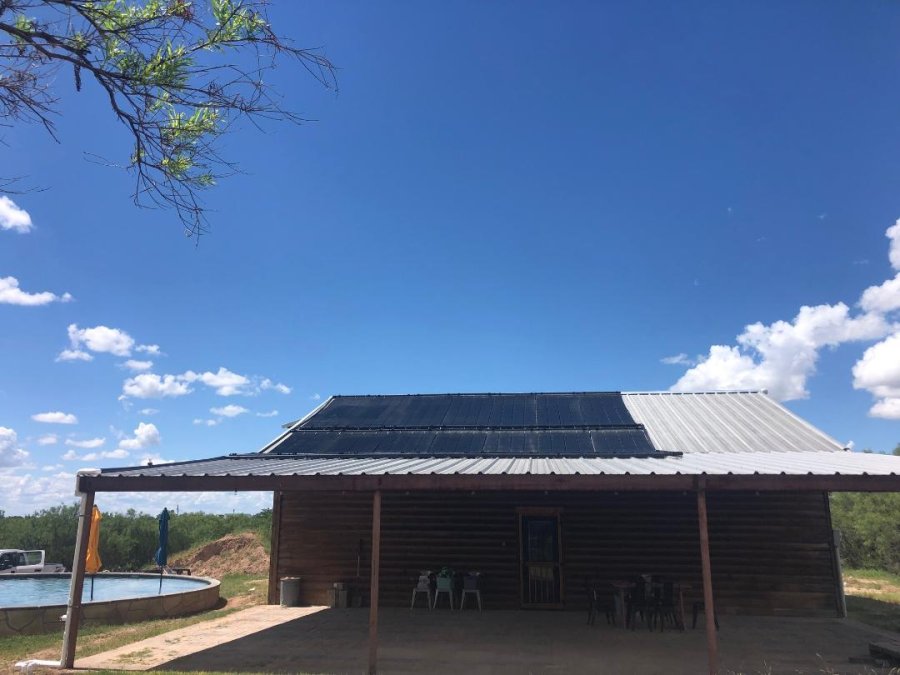
Roof orientation and available roof space matter as much as the panels themselves. Collectors mount on the roof rather than the pool.
Pool Heater Sizing for a 20,000-Gallon Pool
Pool heater sizing for a 20,000-gallon pool starts with surface area, not just volume, because a pool loses most of its heat through its top. Collector area is typically matched to the pool's square footage, with adjustments for shade, wind, and how warm you want the water. A 20,000-gallon pool usually calls for a collector array sized to its surface, and a cover to hold the heat in. Gas sizing instead follows the heater's output rating against the pool volume and desired temperature rise.
The calculation most homeowners never see is the heat-loss side of the equation. A pool is constantly losing heat through evaporation, convection, and radiation, and the rate depends on water temperature, air temperature, wind speed, and humidity. A warm pool on a cool, breezy, dry day loses heat far faster than the same pool on a still, humid evening. That is why two pools of identical volume can need very different arrays: the one with more wind exposure and no cover is fighting a much larger heat loss every night.
A pool cover changes the math more than any other single factor. By limiting evaporation and trapping warmth at the surface, a cover can dramatically reduce overnight heat loss, which in turn lets a smaller array keep up.
Roof orientation, shade, and local conditions all shift the sizing calculation, and roof space often sets the practical ceiling on how much collector area you can install.
Watch out: sizing an array to pool volume alone, without accounting for surface area, wind exposure, and whether you use a cover, is the most common way homeowners end up with a system that underperforms on exactly the days they want to swim.
Solar Pool Heating Season Length in Texas
Solar pool heating can extend the swimming season by up to nine months, thanks to the state's long stretches of sunshine. Gas can heat year-round, but the fuel bill grows with every extra month you swim.
For practical ways to stretch the season further, our guide on extending your swimming season in Texas walks through the habits that make the biggest difference.
When a Hybrid Solar and Gas Setup Makes Sense
A hybrid approach pairs solar collectors for everyday warmth with a gas heater for quick boosts or the coldest stretches. It suits homeowners who swim mostly on sunny days but want a backup for occasional cold snaps or spontaneous swims. The solar array handles routine heating at no fuel cost, and the gas unit covers the exceptions.
If you are weighing solar against another heater type and want a direct comparison to guide a hybrid decision, our breakdown of how to choose a solar pool heater vs heat pump helps frame the trade-offs. Hybrid setups add complexity, so they make the most sense when your routine truly mixes frequent solar-friendly use with occasional demand for fast heat.
Get a Free Consultation for Your Solar Pool Heating Plan
Every pool and every household is different, and the right system comes down to your roof, your routine, and how warm you want the water. Solar Pool Heating Texas designs solar systems that can extend your swimming season by up to nine months and reduce or eliminate energy costs. The company partners with SolarTEK, offers a 100% satisfaction guarantee, and is available 24/7 for emergency repairs. If you are ready to move forward, here is how to get a solar pool heating quote and what the process involves.
The smartest way to heat a pool is one that turns sunlight into warmth and stops sending you a fuel bill every month. Solar does exactly that, pays for itself over time, and asks almost nothing in maintenance. Get started with Solar Pool Heating Texas and enjoy a longer, warmer swimming season without the ongoing energy costs.
Frequently Asked Questions
Is it cheaper to heat a pool with gas or electricity?
Neither gas nor electric resistance heating is cheap to run for long periods. Gas and electric heaters burn fuel or draw power every hour they operate, so the monthly bill climbs with use. A solar pool heater uses the sun's energy and a small circulation pump, so it adds little to your utility bill after installation.
How long does it take to heat a 20,000-gallon pool with a gas heater?
A gas heater can raise a 20,000-gallon pool by roughly 1 to 2 degrees Fahrenheit per hour, depending on the heater's Btu output and heat loss. That means several hours to reach a comfortable temperature from cold. A solar pool heater warms the water gradually over sunny days, usually adding a few degrees per day. Gas wins on speed, but solar wins on ongoing cost and season length.
Are solar pool heaters worth it in Texas?
Yes. Texas gets strong sunlight for most of the year, which is exactly what solar pool heating needs. A well-sized system can extend your swimming season by up to nine months and reduce or eliminate the energy costs of heating. The system needs little maintenance.
Can a solar pool heater keep a pool warm on cloudy days?
Solar collectors still gather diffuse sunlight on cloudy days, though output drops. A pool cover helps hold the heat in overnight and during gray weather. In Texas, cloudy stretches are usually short, so a solar system sized for your pool volume and desired temperature keeps water comfortable through most of the season. Pairing solar with a gas heater as a backup is an option for unusually cold weeks.