 Ultimate guide
How Effective Are Solar Pool Heaters in Real Conditions
Last Updated: November 12, 2026
Quick Summary
Solar pool heaters are effective at raising pool water temperature whenever the pump runs and the sun is out, working even on cloudy days at reduced output. Real performance depends on collector area, sun exposure, and heat loss, so a pool cover and proper sizing matter as much as the equipment itself.
- Unglazed plastic collectors suit pool heating because water temperature stays close to ambient.
- The controller runs the pump only when roof temperature beats pool temperature.
- Installers often aim for collector area equal to half to three-quarters of pool surface.
- Evaporation is usually the largest source of overnight heat loss from a pool.
- Measure temperature at the same time each morning over a week or two before judging performance.
Table of Contents
- How Solar Pool Heaters Work and What Drives Performance
- How Warm Can a Solar-Heated Pool Get?
- Do Solar Pool Heaters Work on Cloudy Days?
- Sizing a Solar Pool Heater for an Inground Pool
- Solar Pool Heater vs. Gas Heater: Performance and Maintenance
- Heat Loss, Covers, and Getting the Most From Your System
- Get a Free Consultation for Your Texas Pool
- Frequently Asked Questions
How Solar Pool Heaters Work and What Drives Performance
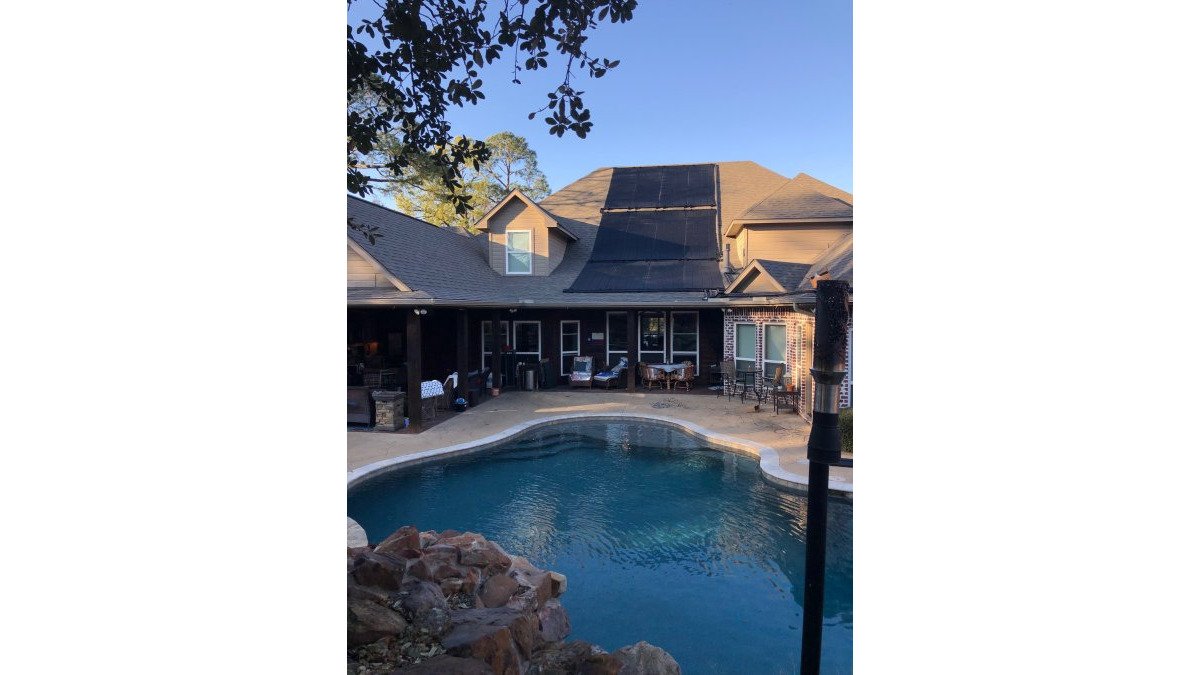
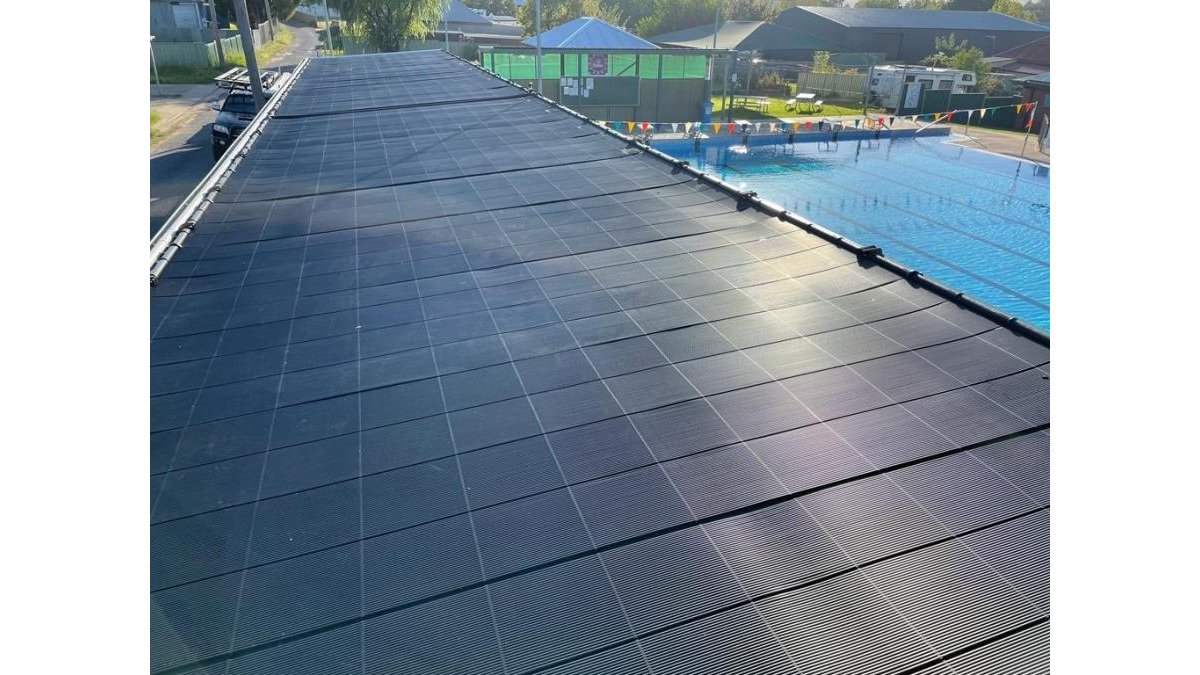
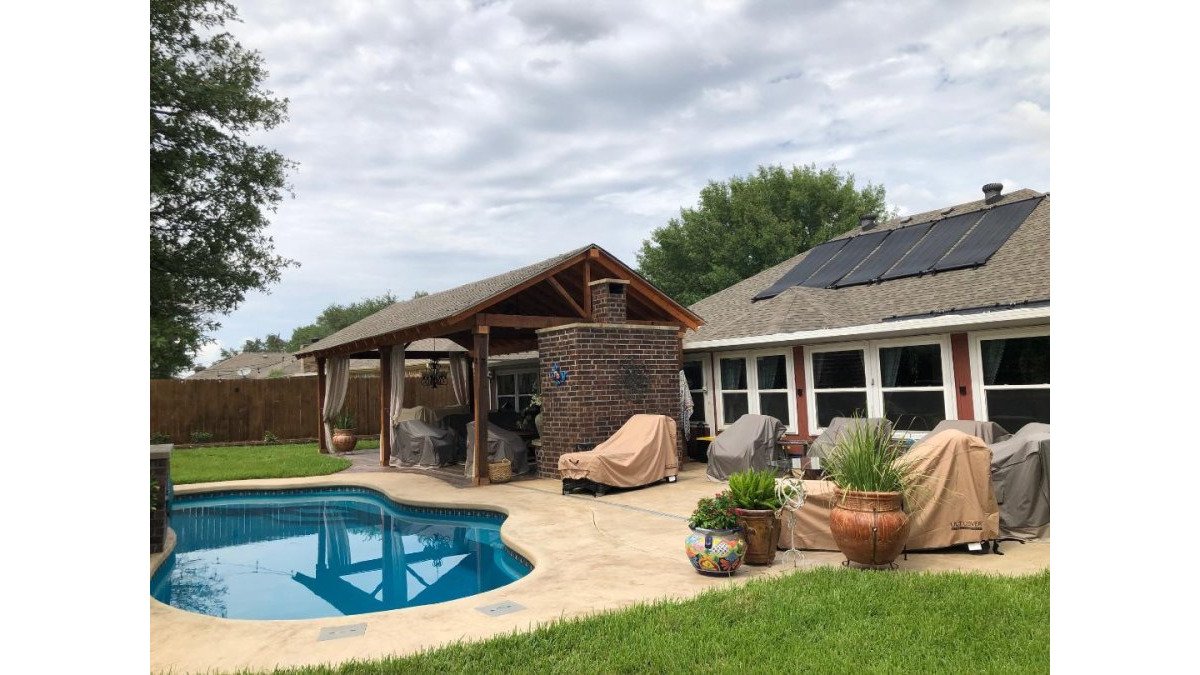
Solar pool heaters use the sun's energy to raise pool water temperature directly, without a flame or compressor. Water circulates from the pool through collectors mounted on a roof or rack, absorbs heat from sunlight, and returns warmer to the pool. The result is a system that heats continuously whenever the pump runs and the sun is out.
The physics is simple, but the performance lives in the details. Three factors decide how much heat you actually capture: how much collector surface you install, how much sun that surface receives, and how efficiently water moves through it. Get those right and a solar system can carry a Texas pool well into the cooler months.
The Collector, Pump, and Controller Loop
The collector, pump, and controller form a closed loop that governs heating performance. The pump pushes pool water through the collectors, the controller decides when flow should run, and the collectors transfer solar energy into the water. If you want to understand the full water cycle in detail, our guide on how a solar pool heater works walks through each stage.
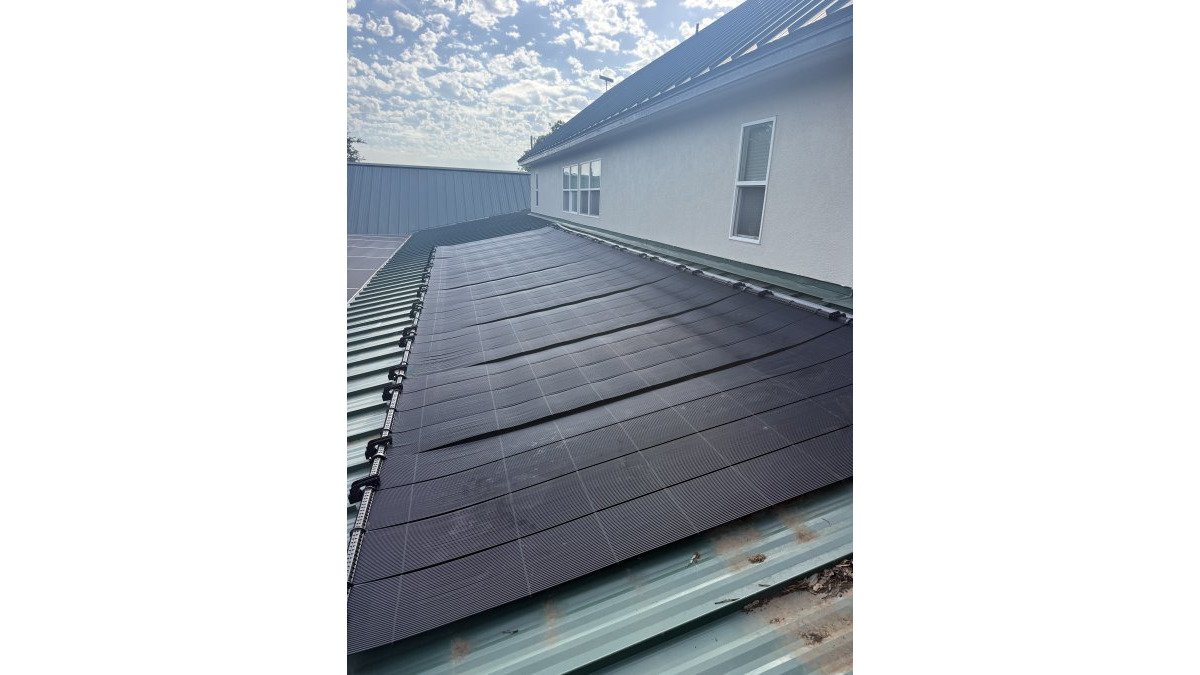
Unglazed plastic collectors are commonly used for pool heating because the pool water temperature stays close to ambient. The controller compares roof temperature to pool temperature and only runs the pump when collection makes sense. That single decision protects efficiency and keeps the system from cooling your pool on a cold, dark afternoon.
How Warm Can a Solar-Heated Pool Get?
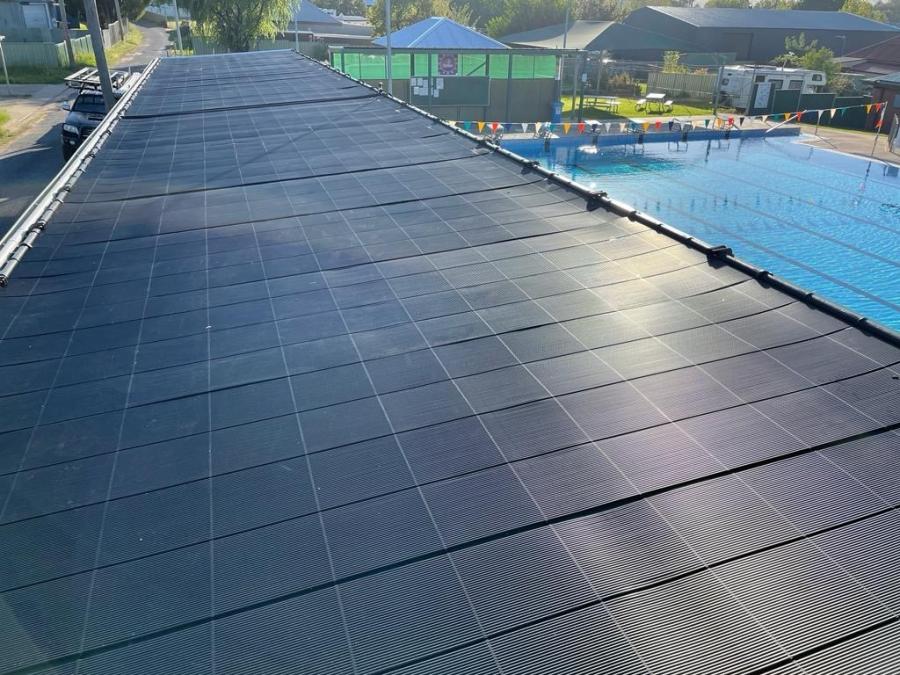
The temperature ceiling on any given pool is set by a balance: heat going in from the collectors versus heat leaving the surface overnight. Temperature gains depend on the conditions of each pool and site.
Reading a Temperature Gain Like Evidence
When you see a claimed temperature increase, the number only means something alongside five details: pool volume, collector area, starting water temperature, weather and sun exposure, and daily pump run time. A 10°F gain on a small pool with a large array in full July sun is a different result from a 10°F gain on a large pool with a modest array in partial shade. Pools reporting the biggest gains generally share the same profile: generous collector area relative to surface, unobstructed sun exposure, and a cover in use at night.
A useful way to think about it: the collectors add heat during the day, and the pool loses heat around the clock. The temperature you feel is the running balance of those two, not a fixed property of the equipment.
What to Expect by Season and Sun Exposure
Rather than one number for everywhere, expect performance to move with the calendar and the site:
- Peak summer, full sun: the upper end of the range and beyond is realistic, with fast recovery after cool nights and the warmest sustained water of the year.
- Shoulder months (spring and fall): gains shrink as nights lengthen and air temperatures drop; a covered pool holds its temperature noticeably better than an uncovered one.
- Partial shade or heavy tree cover: expect a smaller daily rise and slower recovery, because diffuse and interrupted sun delivers less energy to the collectors.
- Persistent overcast or rain: output drops sharply and the controller may pause circulation rather than run the pump against a cold roof.
Nighttime air temperature is the quiet variable. Two pools with identical equipment can end up degrees apart simply because one site cools off much more after dark. That is why the same system can feel impressive in July and modest in October without anything being wrong.
Why the Ceiling Is Set by Heat Loss, Not Just Heat Gain
A solar system does not heat water to a target and stop; it keeps adding heat while the pool keeps shedding it. Evaporation from the surface, radiation to the night sky, and wind all pull heat out, and evaporation is usually the largest of the three. This is why a cover changes the effective answer so much: by cutting evaporation, it lets the collectors' work accumulate instead of leaking away overnight. A pool that gains steadily all day and loses most of it by morning will always read as less effective than the same equipment on a covered pool.
Watch out: judging a system by one hot afternoon tells you almost nothing, measure the temperature at the same time each morning over a week or two, with and without the cover, before drawing conclusions about whether the array is sized and running correctly.
Do Solar Pool Heaters Work on Cloudy Days?
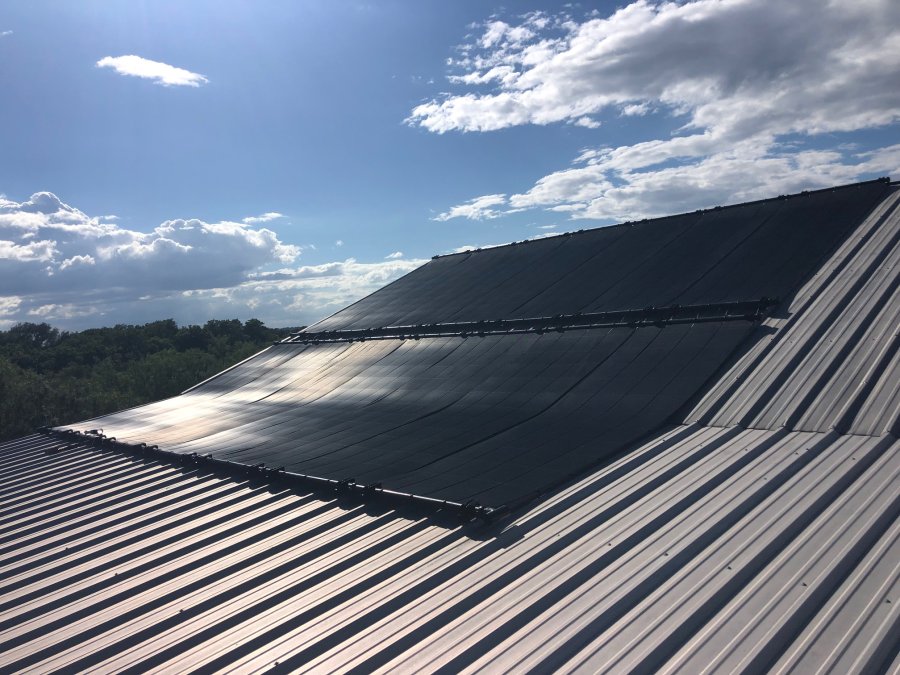
Solar pool heaters still work on cloudy days, though at reduced output. Diffuse sunlight carries less energy than direct sun, so expect a smaller temperature rise and slower recovery after cool nights. The system keeps producing heat; it simply produces less of it.
Rain and heavy overcast are the real interruptions, not light cloud. Because unglazed collectors also lose heat when the sun disappears, a good controller will pause circulation rather than run the pump pointlessly. If you want to know how far into the cooler months a system can carry you, read about whether solar heating will warm a pool in winter.
Sizing a Solar Pool Heater for an Inground Pool
Sizing a solar pool heater for an inground pool comes down to matching collector area to pool surface area and available sun. As a working starting point, many installers aim for collector area equal to roughly half to three-quarters of the pool's surface, then adjust upward for shaded sites or higher temperature goals.
Here is how we would approach the decision:
- Measure pool surface area, not volume, as the primary input
- Check roof orientation and usable roof space; south and west exposures collect the most sun
- Note shading from trees or structures across the day
- Confirm the existing pump and filtration system can handle the added flow
- Increase collector area if the goal is a longer season rather than peak summer warmth
A smaller pool with full sun may need proportionally less collector area than a large pool under partial shade. The worked comparison below shows how the inputs change the outcome.
| Pool Situation | Collector Area Guidance | Expected Outcome |
|---|---|---|
| Small pool, full sun | Lower end of the range | Fast warm-up, long season |
| Large pool, full sun | Mid to upper range | Steady temperature through summer |
| Any pool, partial shade | Increase area | Offsets reduced sun exposure |
| Season-extension goal | Upper range | Warmer water into cooler months |
Solar Pool Heater vs. Gas Heater: Performance and Maintenance
Solar pool heaters have simple operation and low long-term costs, while gas heaters offer faster heat on demand. A gas heater can raise temperature quickly regardless of weather, but it burns fuel every hour it runs and requires more service over its life. Solar collects energy from the sun and has few moving parts.
Solar collectors have no burners, fuel lines, or combustion to tune, and occasional inspection of the panels, plumbing, and controller covers most upkeep. For a like-for-like comparison of solar against the other common electric option, see our breakdown of solar pool heater versus heat pump.
Heat Loss, Covers, and Getting the Most From Your System
Heat loss is the quiet factor that decides whether a solar system feels impressive or disappointing. Most pool heat escapes overnight through evaporation and radiation from the surface, so retaining heat matters as much as collecting it. A pool cover is an effective addition, cutting evaporation and helping hold the temperature the collectors gained during the day.
Beyond covers, keep the loop clean and the flow unobstructed. Debris on the collectors, a clogged filter, or a controller set poorly all reduce performance. If your system is not delivering what it should, our list of common solar pool heating maintenance issues covers the usual culprits and fixes.
Get a Free Consultation for Your Texas Pool
The honest answer to how effective solar pool heating will be for your pool depends on your site, your goals, and your equipment, and that is exactly what a consultation resolves. We assess roof space, sun exposure, and pool size, then recommend a system sized to deliver the season you want.
Solar Pool Heating Texas installs and services residential and commercial systems across the state. Solar is widely regarded as a cost-effective way to heat a pool with low maintenance requirements.
If you are ready to move forward, our guide on how to get a solar pool heating quote walks you through the steps.
Solar pool heating rewards homeowners who size the system properly and manage heat loss, and it keeps delivering season after season with almost no upkeep. Let us evaluate your pool and show you what a solar system can do for your swimming season. Get started with Solar Pool Heating Texas and extend your swimming season by up to nine months with a low-maintenance system that pays for itself quickly.
Frequently Asked Questions
Is solar heating for a pool worth it?
For most Texas pool owners, yes. Solar pool heaters use the sun to warm water with no fuel costs and need little maintenance. They extend the swimming season by months and add a low-maintenance, energy-efficient feature that appeals to buyers. The main trade-off is that output depends on sunlight, so performance peaks in summer and drops in deep winter.
Do solar pool heaters use a lot of electricity?
Very little. The only electricity a solar pool heater uses is the circulation pump, which most pools already run for filtration. There is no compressor, no burner, and no electric heating element. Running the pump during daylight hours when collectors are active is the most efficient approach.
How many degrees can a solar pool heater raise the water temperature?
Temperature gain depends on sunlight, air temperature, and collector area. In full Texas summer sun, gains can be higher. On cloudy or cool days, gains shrink. The temperature rise is gradual and builds over several sunny days rather than happening instantly.
Does a solar pool heater work at night?
No, solar collectors only add heat when the sun is shining. At night, the pool loses heat to the cooler air, especially without a cover. A pool cover is the single most effective way to hold the heat gained during the day.