 Comparison
Best Ways to Cut Pool Heating Energy Costs Sustainably
Last Updated: November 17, 2026
Quick Summary
The best way to significantly reduce or eliminate energy costs for eco-friendly pool heating is solar pool heating, which uses rooftop or ground-mounted collectors to warm water with sunlight instead of fuel. Pairing solar with a pool cover further cuts heat loss from evaporation and overnight cooling, lowering the energy the pool needs in the first place.
- Solar collectors warm pool water as it circulates, using sunlight rather than burning fuel.
- Solar systems have no burner or fuel line and few moving parts beyond the pump.
- A controller sends water to the panels only when they are warmer than the pool.
- Most pool energy is lost through the surface, especially on windy days and overnight.
- A pool cover blocks evaporation and keeps water warmer, making any heater work less.
Table of Contents
- Why Pool Heating Energy Costs Add Up in Texas
- How Solar Pool Heating Works
- Solar Pool Heater vs. Gas Heater: Efficiency, Upkeep and Emissions
- Heat Pumps and Electric Heaters: Where They Fit
- Pool Cover Energy Savings and Heat Retention
- Solar Pool Heating Savings Over the Long Term
- Booking Your Free Solar Pool Heating Consultation
- Frequently Asked Questions
Why Pool Heating Energy Costs Add Up in Texas
Heating a pool is one of the biggest energy expenses for a Texas pool owner, and the heat rarely stays put for long. Texas summers are hot and dry, but spring and fall evenings cool off quickly, and wind pulls warmth from the water surface. Every hour the heater runs to replace that lost heat adds to the monthly bill.
Most of the energy a pool loses leaves through the surface. Evaporation alone carries away a large share of heat, especially on windy days and when the pool sits uncovered overnight. Understanding where the heat goes is the first step toward spending less on heating.
We see the same pattern repeatedly: owners upgrade the heater itself but leave the surface uncovered, then wonder why the bills stay high. The real savings come from reducing heat loss first and choosing a heating method that runs on free energy wherever possible.
How Solar Pool Heating Works
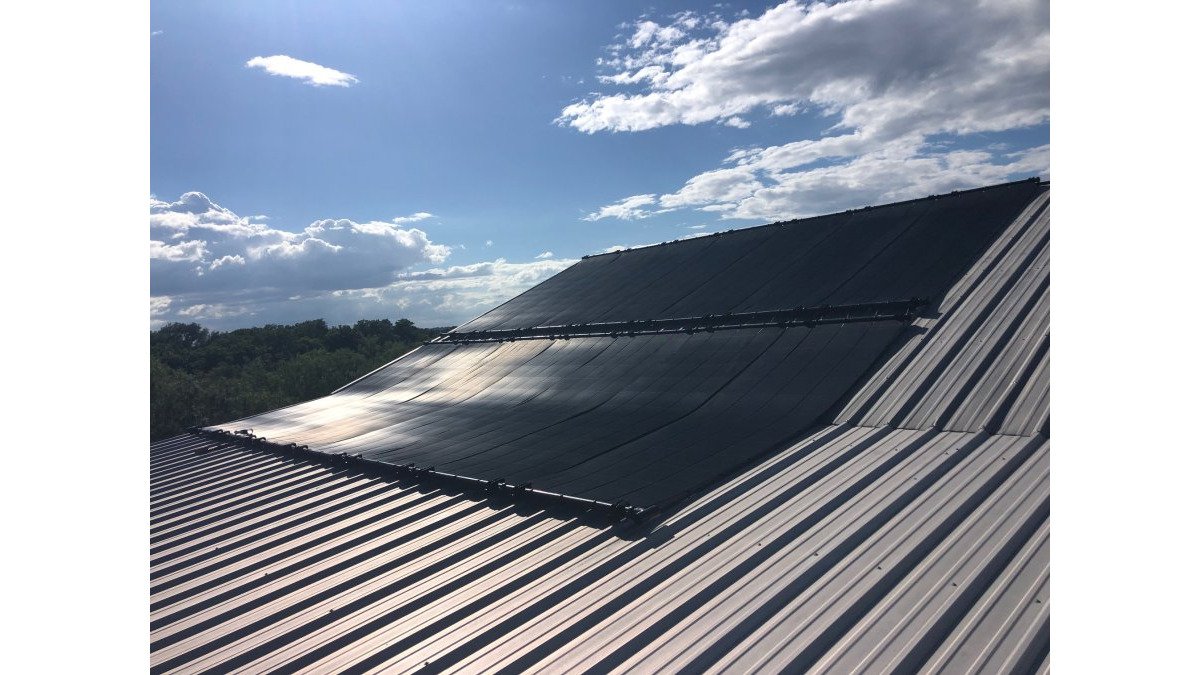
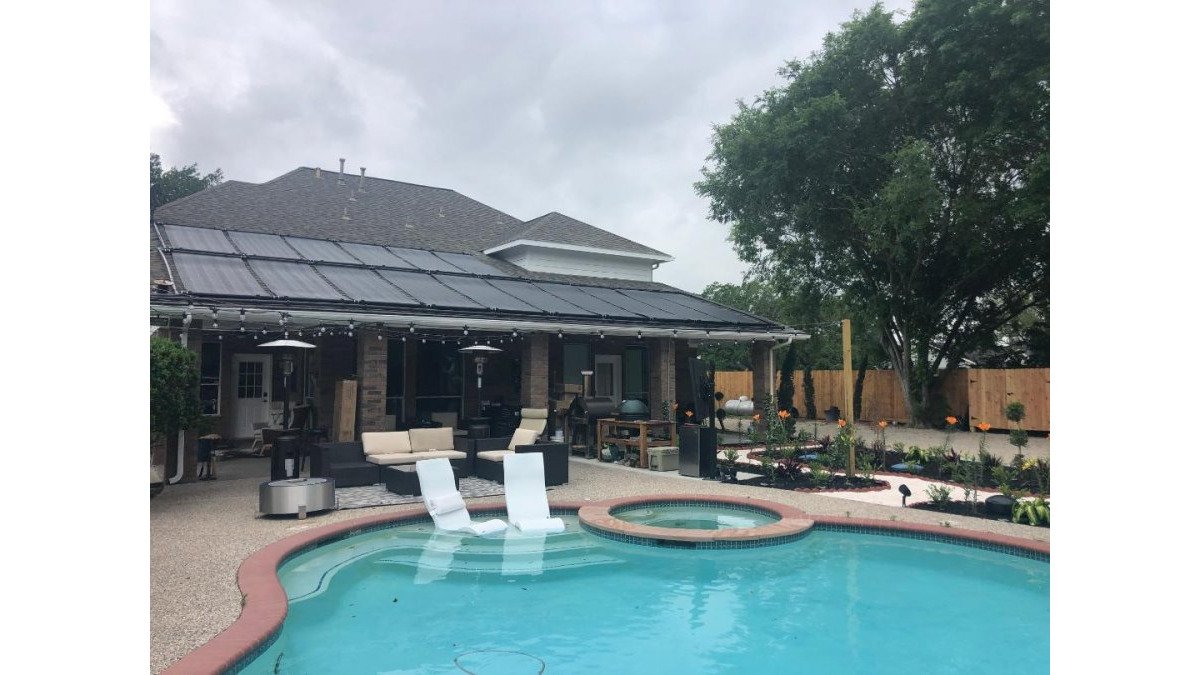
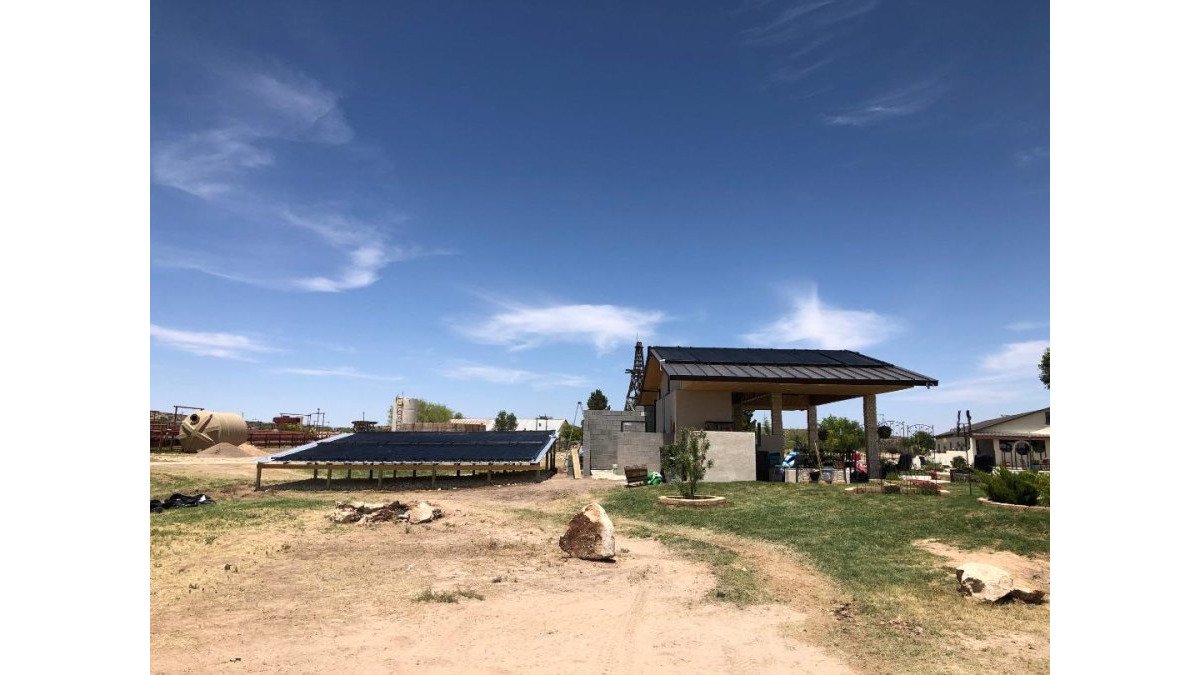
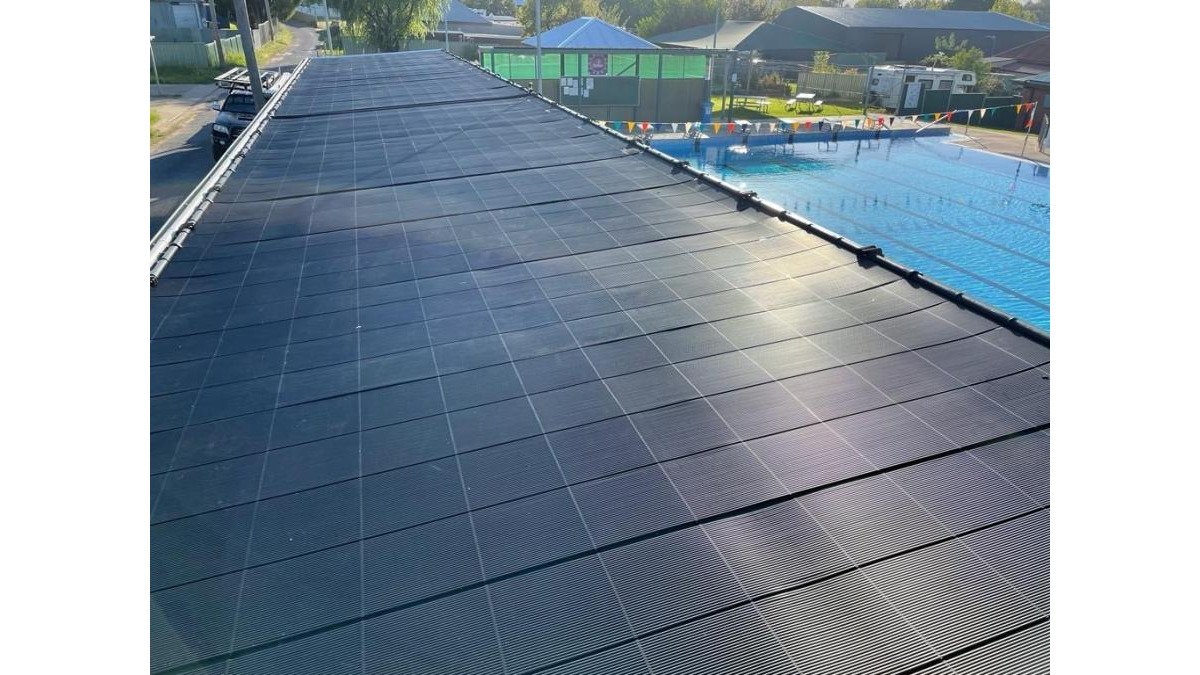
Solar pool heating uses rooftop or ground-mounted collectors to warm pool water as it circulates through the system. Pool water is pumped through dark collector panels, absorbs heat from the sun, and returns to the pool at a higher temperature. No fuel is burned, and the sun supplies the energy.
Because the system depends on sunlight, it works best during the daytime when the sun is strongest. A pump moves the water through the collectors, and many systems include a controller that sends water to the panels only when they are warmer than the pool. That keeps the pool from losing heat back through the panels.
Solar heaters have no burner, no fuel line and very few moving parts beyond the circulation pump. That simple design is a big reason solar pool heating needs little maintenance once it is installed.
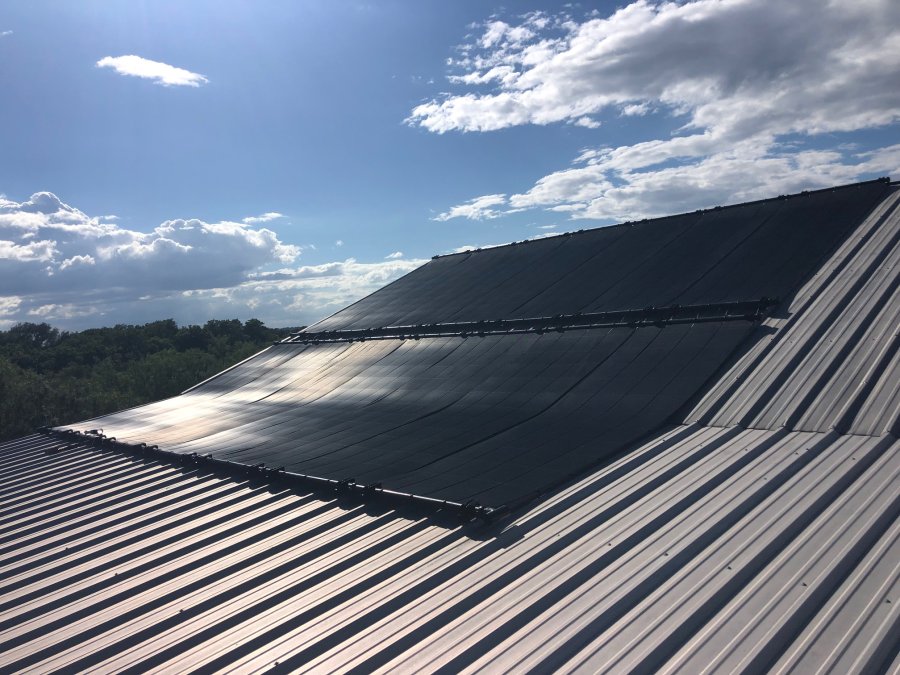
Solar Pool Heater vs. Gas Heater: Efficiency, Upkeep and Emissions
A gas heater burns natural gas or propane in a combustion chamber and transfers that heat to water passing through a heat exchanger. It heats fast, which is why it remains popular for weekend-only swimmers and rental properties. The trade-off is that every degree of heat carries a continuous fuel bill, and the combustion process releases carbon dioxide and nitrogen oxides at the heater itself. Solar collectors produce no combustion emissions; their main energy input is the electricity that runs the circulation pump.
Efficiency is where the two diverge most. A standard atmospheric gas heater sends a meaningful share of its heat up the flue rather than into the water, and that loss grows on cool, windy days when the heater works hardest. A condensing gas heater recovers more of that exhaust heat, but it still burns fuel to deliver heat. Solar collectors, by contrast, have no flue loss, the heat they gather goes into the water, and a controller diverts flow only when the panels are warmer than the pool so the system does not cool the pool at night or on cloudy afternoons.
Upkeep tells a similar story. Gas units have burners, a heat exchanger, gas valves, and venting that all wear under heat and moisture; Solar systems have no burner, no fuel line, and few moving parts beyond the pump and controller. That is a large part of why solar pool heating is low maintenance once installed.
Emissions follow the fuel. Gas heating emits at the point of use for every hour it runs, and the volume scales directly with how much heat the pool needs. For owners whose goal is to significantly reduce or eliminate heating energy costs, solar pool heating is a strong option because it runs on sunlight rather than fuel.
Watch out: a gas heater sized for fast recovery can short-cycle if the pool is small or the thermostat is set aggressively, which wastes fuel and accelerates wear, match heater size to pool volume and expected use rather than buying the largest unit available.
Climate matters here too. In hot, sunny climates with long swimming seasons, solar collectors can carry much of the heating load, while a backup heater covers cooler periods. Owners who want to reduce heating costs often find that solar is a cost-effective choice that needs little maintenance.
Heat Pumps and Electric Heaters: Where They Fit
A heat pump does not generate heat, it moves it. A fan pulls outside air across an evaporator coil, refrigerant absorbs heat from that air even when the air feels cool, a compressor raises the refrigerant's temperature, and a condenser coil transfers that heat to the pool water. Because it moves existing heat rather than creating it, a heat pump can deliver several units of heat for each unit of electricity it consumes, which is why it outperforms electric resistance heating by a wide margin. An electric resistance heater, by contrast, converts electricity directly into heat at roughly one unit of heat per unit of electricity, so its electric draw climbs quickly as the pool demands more warmth.
The catch is that a heat pump's efficiency depends on the air around it. As outdoor air temperature drops, there is less heat to move, and output and efficiency fall together. Heat pump output and efficiency fall as outdoor air temperature drops. Our guide to choosing between a solar pool heater and a heat pump explains how the two compare for your situation. That is the single most important climate-specific limit in pool heating: a heat pump that performs well in a warm, humid climate may struggle in a cool, dry one, and the shoulder seasons when owners most want to swim are exactly when air temperatures are lowest.
This is where solar-plus-backup design earns its place. A solar thermal system carries the bulk of the heating load whenever the sun is available, and a heat pump or gas heater covers nights, cloudy stretches, and cold snaps. The controller decides which source runs based on panel temperature, pool temperature, and the owner's target, so the backup only fires when solar cannot keep up. That combination gives reliability without giving up the fuel savings, and it is the design most practitioners recommend for owners who want to swim well beyond the warmest months.
Operating practice matters as much as equipment. Pairing either heat pump or solar with a floating cover holds that heat overnight and lets the system recover faster the next day.
Electric resistance heaters remain the least efficient choice for pool heating. They are simple and inexpensive to install, but their operating draw is high, and they are rarely the right answer when the goal is to significantly reduce or eliminate heating energy costs. For most owners, solar is the smartest, most cost-effective way to heat a pool, needs no maintenance beyond basic checks, and pays for itself quickly, which is why more pool owners are choosing solar over electric and gas heating.
Watch out: a heat pump installed without adequate airflow or in a shaded, enclosed spot will underperform its rating, and a unit sized too small for the pool will run continuously without reaching the target temperature, confirm airflow clearance and sizing before installation.
Pool Cover Energy Savings and Heat Retention
A pool cover is one of the most cost-effective ways to cut heating bills. It blocks evaporation, which is a major source of heat loss, and it keeps water warmer overnight. Covers can be used with any heating method and make every heater work less.
Solar blankets, which float on the surface, are a common choice because they also absorb some sunlight during the day. Used consistently, a cover lets the heater or solar system hold a temperature without constant reheating. Many owners remove the cover only for swimming, then replace it each evening.
Covers pair especially well with solar heating. The collectors add heat during the day, and the cover keeps that heat from escaping at night. Together they reduce how much energy the pool needs in the first place.
The article's main levers for cutting pool heating costs, summarised for quick reference.
| Approach | Main benefit | Key limit |
|---|---|---|
| Solar pool heating | Runs on sunlight, no fuel | Depends on sun exposure |
| Heat pump | Moves existing heat, high efficiency | Output drops as air cools |
| Electric resistance heater | Simple, inexpensive to install | High electric draw, least efficient |
| Gas heater | Heats fast | Continuous fuel bill, emissions |
| Pool cover | Cuts evaporation and overnight loss | Must be removed for swimming |
Solar Pool Heating Savings Over the Long Term
Solar pool heating uses sunlight rather than fuel, so its main ongoing energy use is the electricity for its circulation pump.
Payback depends on how much heating a pool needs, how sunny the location is and what the owner was paying for gas or electricity before.
Owners who want to check their own numbers can request a site-specific estimate from Solar Pool Heating Texas that reflects their pool size, roof or yard space, and sun exposure.
Learn more about what solar pool heating typically costs in our how much does solar pool heating cost guide. For a deeper look at how long a solar heater takes to pay off, see how long to pay off a solar pool heater.
Booking Your Free Solar Pool Heating Consultation
Reducing pool heating costs starts with understanding your pool, your sun exposure and your current bills. Solar Pool Heating Texas offers residential and commercial solar pool heating installation and repair across Texas, and partners with SolarTEK to deliver energy-efficient systems that can extend your swimming season.
Our team is available 24/7 for emergency repairs, and every project carries a 100% satisfaction guarantee. To see whether solar is the right fit for your pool, get a step-by-step guide to requesting a quote and then reach out for your free consultation.
Get A FREE Consultation with Solar Pool Heating Texas and start cutting your pool heating energy costs with a system built to run on sunlight.
Frequently Asked Questions
What is the most energy-efficient way to heat a swimming pool?
For many Texas pool owners, solar pool heating is a strong option because it uses sunlight rather than burning gas or drawing electricity. Pairing any heating method with a pool cover reduces heat loss overnight and on windy days, which lowers the energy needed to keep water at your target temperature. Solar systems do need a sunny roof or ground area and benefit from a backup heater on cloudy stretches.
Does a pool cover reduce heating energy use?
Yes. Evaporation carries away a large share of a pool's heat, and a cover sharply reduces that loss, so the heater runs less often. A solid or solar cover placed on the water whenever the pool is not in use is one of the lowest-cost ways to cut heating energy. Covers also limit debris and chemical loss, which helps keep pump and filter workload down. The savings are strongest on windy days and when the pool is held at a higher temperature.
Can solar pool heating eliminate a pool's heating energy use?
Solar pool heating can cover most or all of a pool's heating needs during warm months, but it rarely eliminates energy use entirely. Circulation pumps still draw electricity, and on cool or cloudy days a supplemental heater may be needed to reach your target temperature. Solar-plus-backup designs keep the system in charge of most heating while the backup handles the gap. Many owners find the pump is the largest remaining energy use once the heater is solar.
How much can solar pool heating extend the swimming season?
Solar pool heating can extend the swimming season in Texas by up to nine months, depending on pool size, collector area, and local weather. Results vary, so the season length a specific pool gets depends on local weather and how the system is sized. Ask for a site-specific estimate during your free consultation.