 Comparison
Best Solar Pool Heater for Small Pool Setups
Last Updated: November 8, 2026
Quick Summary
The best solar pool heater for small pool setups is a flat panel or mat collector array sized to your pool's surface area and plumbed into the filtration loop with a bypass valve. A small pool needs fewer collectors, so warm-up is faster and equipment demands are lower. Match the collector to your pump's recommended flow range before buying.
- Collector area should be sized to pool surface area, not to water volume alone.
- Portable floating mats warm the top layer and cut evaporation but cannot heat whole volume.
- Coil-style DIY heaters add flow resistance, so pump compatibility matters more than with flat mats.
- A bypass valve lets you route water around collectors when the pool is already warm.
- A solar cover reduces heat loss while an active heater adds heat; use both together.
Table of Contents
- Why a Small Pool Is the Easiest Pool to Heat With Solar
- How Solar Pool Heating Works on a Small Pool
- What to Look for in the Best Solar Pool Heater for Small Pool Owners
- Solar Pool Heater for Above Ground Pool Setups
- Floating Solar Pool Heater: What It Can and Cannot Do
- DIY Solar Pool Heater for Small Pool Projects
- Realistic Temperature Gains and Warm-Up Times
- Get a Free Consultation on Your Small Pool System
- Frequently Asked Questions
Why a Small Pool Is the Easiest Pool to Heat With Solar
A small pool is the easiest pool to heat with solar because there is less water to warm and more roof or rack space relative to the water's surface. For the broader case, see our benefits of solar pool heating guide.
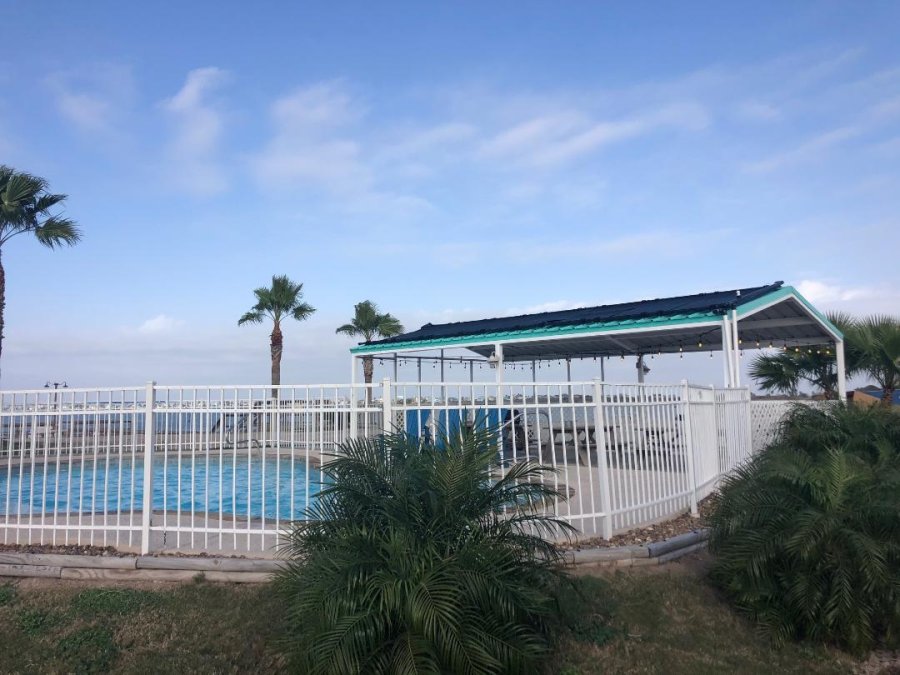
The math is straightforward. Heating capacity scales with collector area, and heat loss scales with water volume and exposed surface. A small pool flips that ratio in your favor.
You get more usable heat per square foot of collector, and the system runs less to hold temperature.
How Solar Pool Heating Works on a Small Pool
Solar pool heating works by circulating pool water through collectors that absorb sunlight and return warmed water to the pool. On a small pool, the same basic loop runs with shorter runs, less heat loss in the plumbing, and faster turnover.
Collectors, Circulation, and Sunlight
The collector is the heart of the system. Water passes through panels or mats, absorbs heat from solar radiation, and flows back into the pool.
Sunlight is the fuel. Sun hours, cloud cover, and ambient temperature all shape how much heat you collect on a given day. For the full water-cycle explainer, see how a solar pool heater works.
Matching Collector Size to Pool Surface Area
Collector area should be sized to pool surface area. A small pool needs proportionally less collector, which keeps the installation compact and the warm-up quick.
Undersizing leaves you short on heat, and oversizing wastes collector capacity your pump may not push through efficiently.
What to Look for in the Best Solar Pool Heater for Small Pool Owners
The best solar pool heater for small pool owners is the one sized to your actual water volume and surface area, compatible with your existing pump's flow, and matched to the space and sunlight you have. Small pools are not miniature versions of large ones, a 3,000-gallon above-ground pool and a 12,000-gallon inground plunge pool need very different collector areas, plumbing, and expectations.
Start With Water Volume and Surface Area
Two numbers drive every decision. Water volume (length × width × average depth × a multiplier) tells you how much heat you must add. Surface area tells you how much heat you lose to the air and how much collector you need.
Compare the Three Small-Pool Configurations
Small-pool owners realistically choose among three setups. Each has a distinct role:
- Portable floating mats and rings, sit on the water, warm the top layer, and reduce evaporation. Best for very small pools and as a supplement. They do not circulate water through a collector, so they cannot deliver the whole-volume heating a plumbed array does.
- Coil-style DIY heaters, black poly coils mounted on a rack or roof, connected with hoses and clamps. Inexpensive to assemble and effective on small volumes when the pump can push through the coil's restriction. Coils add flow resistance, so pump compatibility matters more than with flat mats.
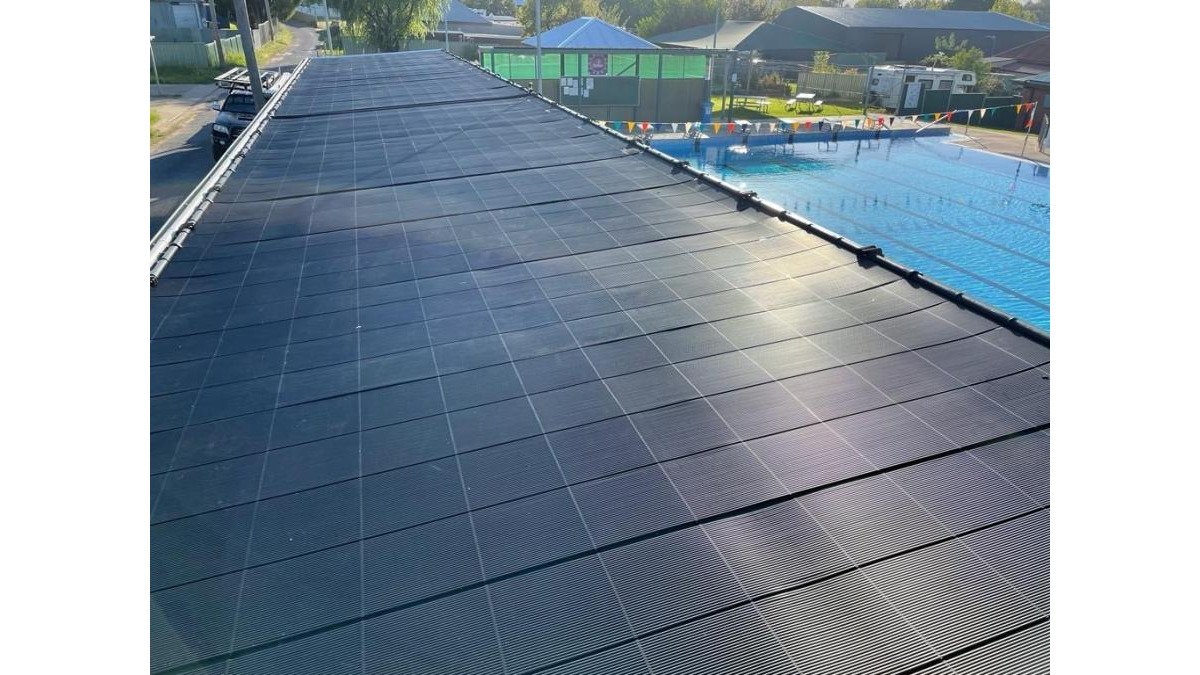
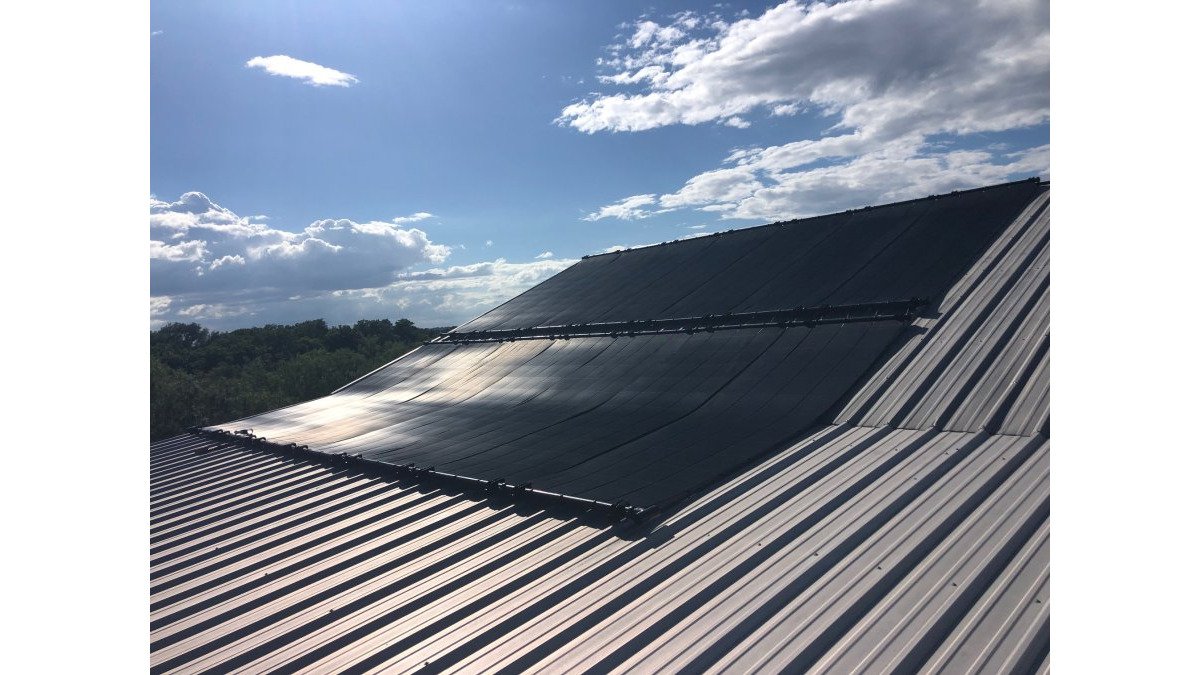
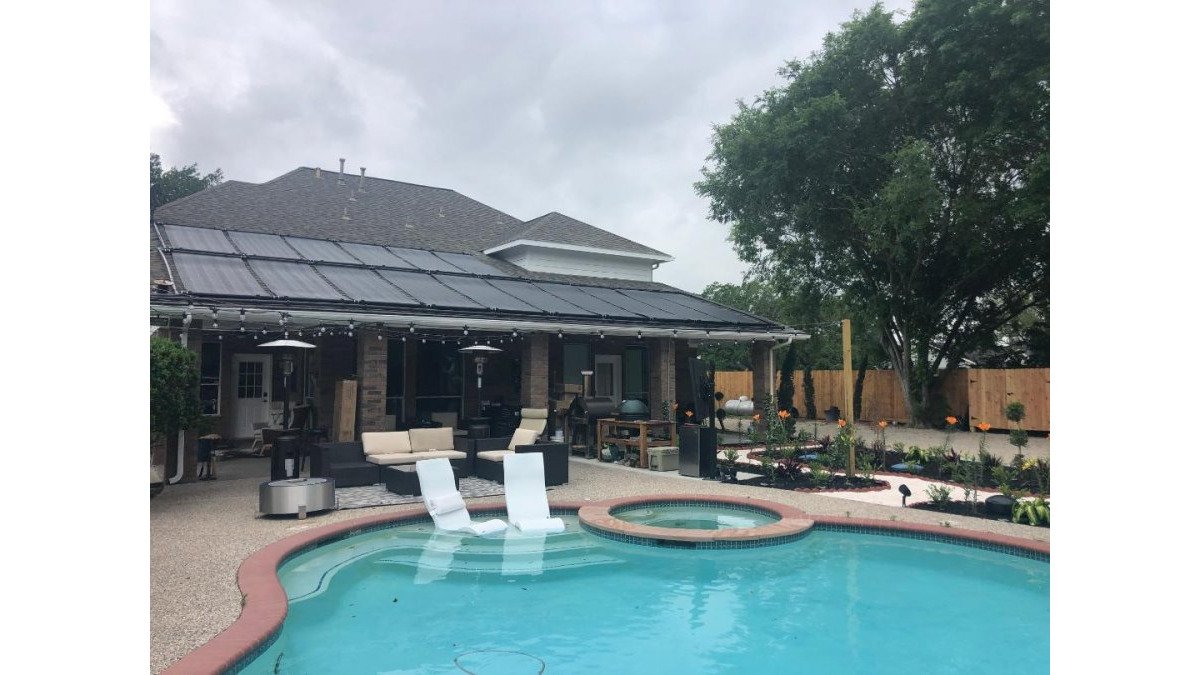
- Flat panel or mat collector arrays, the closest thing to a full solar heating system. Sized to surface area, plumbed into the filtration loop with a bypass valve, and able to hold temperature across a season. This is the configuration that behaves like a permanent heater rather than a helper.
Match the Heater to Your Pump and Plumbing
Your pump must move water through the collector at the manufacturer's recommended flow range. Too little flow and the collector runs hot without transferring heat efficiently; too much and you push past the system's sweet spot and waste pressure.
A bypass valve is not optional on a plumbed array. It lets you route water around the collectors when the pool is already warm or the sun is down, which protects the pump from fighting unnecessary resistance and keeps circulation normal.
Weigh Sun Exposure and Space
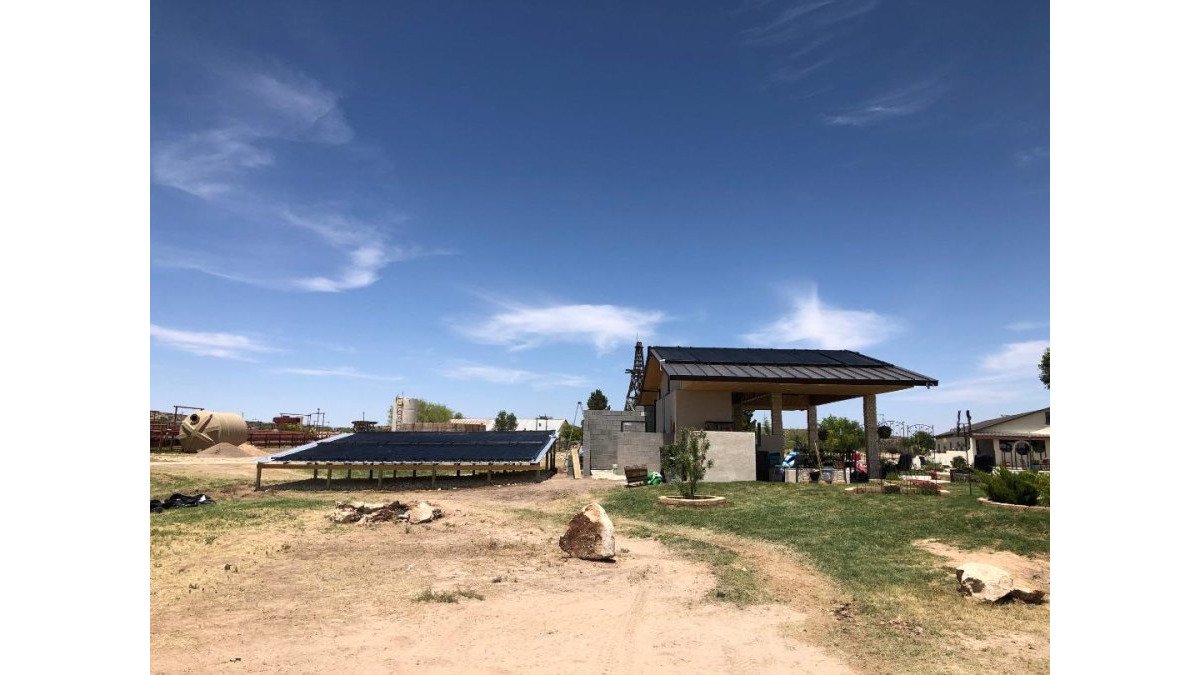
Collectors need direct sun for most of the day. A ground rack along a fence line, a nearby roof, or a south-facing slope all work; shade from trees or a house will undercut any collector no matter how well it is sized. For above-ground pools, confirm the rack location gets full sun and that hose runs stay short and level to avoid air pockets.
Why Solar Wins for Small Pools
Solar is the smartest way to heat a pool, and it is why more Texas pool owners choose solar every season. For small pools, the advantage is even sharper: less water to warm, shorter plumbing runs, and a collector array that fits on a rack or a single roof section.
Solar Pool Heater for Above Ground Pool Setups
A solar pool heater for above ground pool setups can be a simple upgrade.
Above-ground pools pair well with solar because there is usually open ground or a fence line for a rack, and the shorter plumbing runs keep heat loss low.
Watch out: skipping the flow check on an above-ground pump can cause a new collector array to underperform.
Floating Solar Pool Heater: What It Can and Cannot Do
A floating solar pool heater sits on the water's surface and warms the top layer directly. It cannot replace a full collector system, but it can supplement heat and reduce evaporation.
What it can do:
- Add some warmth to the surface layer on sunny days
- Cut evaporation and heat loss overnight
- Serve as a low-effort supplement for very small pools
What it cannot do:
- Heat a pool volume the way a plumbed collector array does
- Deliver consistent temperature control through cooler months
- Replace proper circulation-based heating
Think of a floating heater as a helper, not the engine. For real heating performance, you want collectors and circulation.
DIY Solar Pool Heater for Small Pool Projects
A DIY solar pool heater for small pool projects is achievable for a handy owner, and it comes down to three decisions: collector type, mounting, and plumbing. Many small-pool owners build a ground rack of solar thermal panels and connect them with hoses and clamp connections.
Here is a practical checklist before you start:
- Measure pool surface area and confirm collector sizing
- Check pump flow rate against the collector's recommended range
- Choose a mounting spot with maximum sun hours and no shade
A DIY array that starves the pump or stalls circulation will disappoint no matter how well the panels are built. If the flow math is uncertain, have it checked before you cut any hose.
Realistic Temperature Gains and Warm-Up Times
Most small-pool owners want a straight answer: how warm will it get, and how fast? The honest answer depends on four inputs, sun hours, ambient temperature, collector area relative to pool volume, and whether the pool is covered. Below are clearly labeled estimates with their assumptions, not promises.
The Inputs That Drive Warm-Up
- Sun hours, the number of hours per day your collectors receive direct, unshaded sun. Six or more is strong; four or fewer stretches warm-up considerably.
- Ambient temperature, warm air reduces heat loss from the pool surface and plumbing; cool nights give much of the day's gain back.
- Collector-to-volume ratio, a small pool with a proportionally large collector array warms fastest. This is the ratio small-pool owners can actually control.
Labeled Warm-Up Estimates
A common pattern practitioners describe: the first warm week of the season is when small-pool owners see the most dramatic results, because the water starts cool and the collector-to-volume ratio is favorable.
Why Small Pools Warm Faster
Heating capacity scales with collector area; heat loss scales with water volume and exposed surface. A small pool flips that ratio in your favor, less water to warm, more collector per gallon, and shorter plumbing runs that lose less heat along the way.
Solar Heater Versus Solar Cover
These are not competitors, they do different jobs. A solar cover primarily reduces heat loss and evaporation; an active solar heater adds heat. Used together, the heater raises the temperature and the cover holds it, which is why the covered estimates above warm faster and stay warmer. A cover alone will not heat a pool the way a plumbed collector array does, and a heater alone will fight overnight losses without one.
When Solar May Disappoint
In consistently cloudy or cool regions, or on pools with heavy shade, solar heating can underdeliver relative to expectations. In those cases a heat pump or another option may be more suitable, and a solar versus heat pump comparison lays out the trade-offs. For pools in cooler months, how solar heating performs in winter explains what to expect when the sun is lower and the air is colder.
Watch out: actual results track sun hours, ambient temperature, and whether the pool is covered.
Get a Free Consultation on Your Small Pool System
A short consultation can help with collector area, pump flow, and placement before you commit.
Solar is the smartest way to heat a pool.
If you are ready to move forward, how to request a solar pool heating quote walks you through each step.
Your small pool is the ideal candidate for solar, and the right sizing makes all the difference.
Frequently Asked Questions
Are solar-powered pool heaters worth it for a small pool?
For a small pool, solar heating is usually the most practical choice because the water volume is low and warms quickly. A properly sized collector array can raise water temperature noticeably within a few sunny days, and the system runs on your existing pool pump with no separate fuel bill. Solar also needs very little upkeep compared with gas or electric heaters.
How many degrees will a solar heater heat a small pool?
Temperature gain depends on collector surface area, sun hours, ambient temperature, and whether you use a solar cover. On clear days, a well-matched system on a small pool can add several degrees over the course of a day, and consistent gains build across a sunny week. Cloud cover, shade, and overnight heat loss pull those numbers down, so pairing the heater with a cover to hold heat overnight makes the biggest difference to how warm the water feels.
Can a solar pool heater work with an above-ground pool?
Yes. Above-ground pools are a strong match for solar heating because they hold less water and often come with a pump that can handle the extra plumbing. Collectors can be mounted on a ground rack, a fence, or a roof near the pool, and hoses with clamp connections tie into the return line. Keep the run short and the panels unshaded, and check that your pump's flow rate matches the collector's recommended range.
Do floating solar pool heaters actually work?
Floating solar heaters and solar covers help mainly by reducing heat loss and capturing some surface warmth, but they are not a substitute for a collector-based system. They work best as a heat-retention layer alongside real solar panels. If your goal is a meaningful temperature increase rather than just slowing overnight cooling, plan on a collector array plus a cover, and treat floating devices as a supporting add-on.
Can you build a DIY solar pool heater for a small pool?
A DIY build is realistic on a small pool because you need fewer panels and shorter plumbing runs. Most home builds use a small array of solar collectors, a length of pool hose, and clamp connections feeding into the return line, with the existing pump doing the circulation. The parts that decide success are collector sizing relative to pool surface area, keeping the panels in full sun, and making sure the pump's flow rate suits the collector. A professional consultation is worth it if you want the sizing checked before you buy.