 blog
How to Choose a Solar Pool Heater vs Heat Pump
Last Updated: November 2, 2026
Quick Summary
A solar pool heater uses free sunlight and costs almost nothing to run after installation, while a heat pump runs on electricity every hour it operates. Choose solar for low running costs and minimal maintenance, or a heat pump for steady heat in cool, cloudy conditions.
- Solar collectors heat water directly with no compressor, refrigerant, or burners.
- Heat pump efficiency drops as ambient air temperature falls, often toward a COP of 2 or lower.
- A pool cover cuts overnight heat loss and can reduce heat pump runtime dramatically.
- Heat pumps are sized in BTUs per hour; solar collectors are sized against pool surface area.
- Over 10 to 15 years, solar front-loads the investment and then runs nearly free.
Table of Contents
- How Solar Pool Heaters and Heat Pumps Work
- Solar Pool Heater Pros and Cons
- Pool Heat Pump Pros and Cons
- Pool Heat Pump Electricity Use and Operating Costs
- Solar Pool Heater Performance in Cloudy Weather
- Side-by-Side Comparison: Solar vs Heat Pump
- Get a Free Consultation for Your Pool Heating System
- Frequently Asked Questions
How Solar Pool Heaters and Heat Pumps Work
A solar pool heater routes pool water through solar thermal collectors, where sunlight warms the water before it returns to the pool. A heat pump pulls heat from the surrounding air and transfers it into the pool water using a compressor and refrigerant cycle.
The core difference comes down to energy source. Solar uses free sunlight. Heat pumps use electricity to move heat that already exists in the air.
Solar Thermal Collectors and Pool Circulation
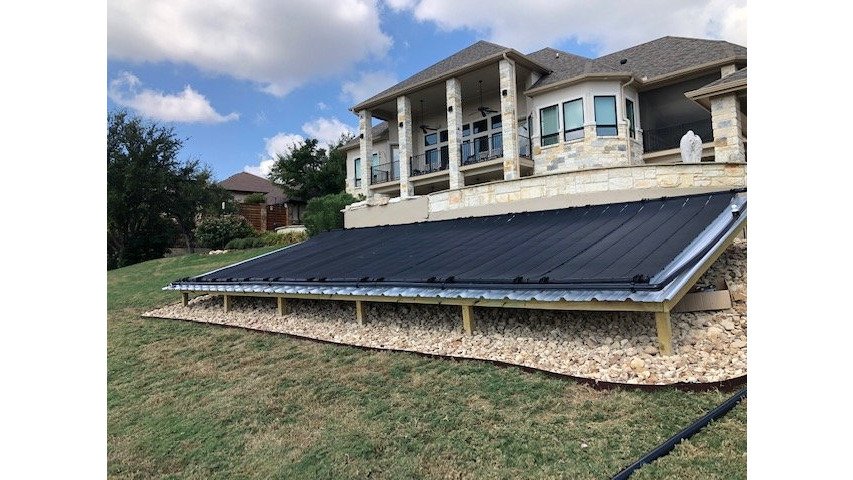
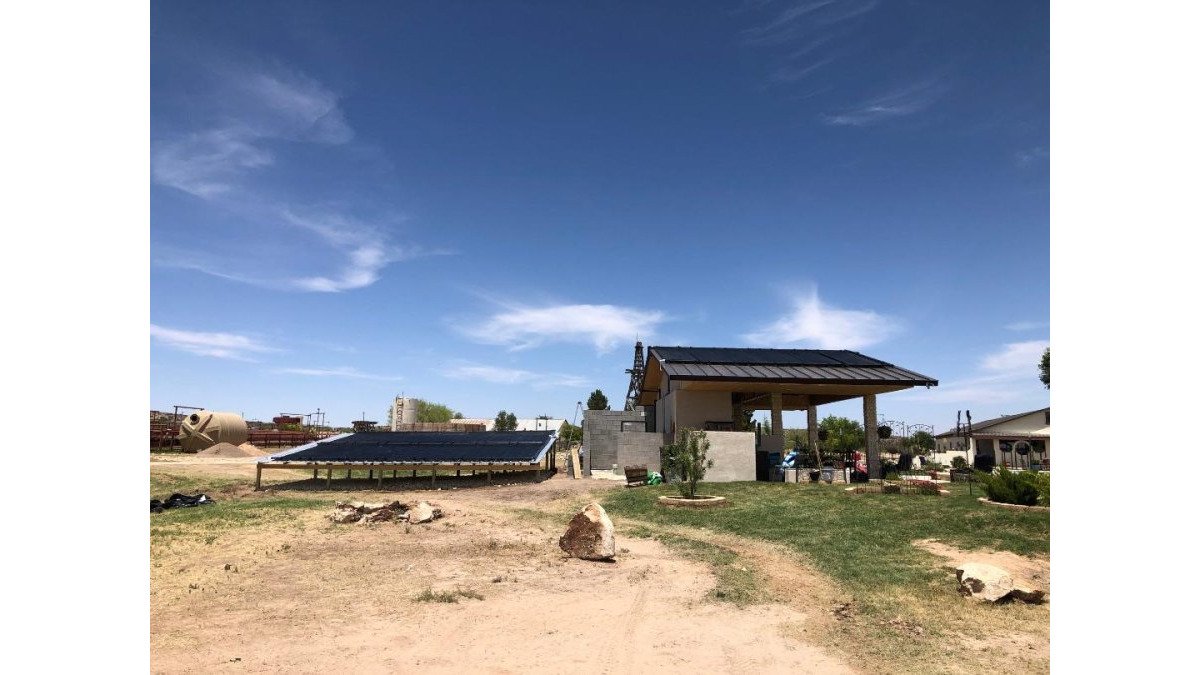
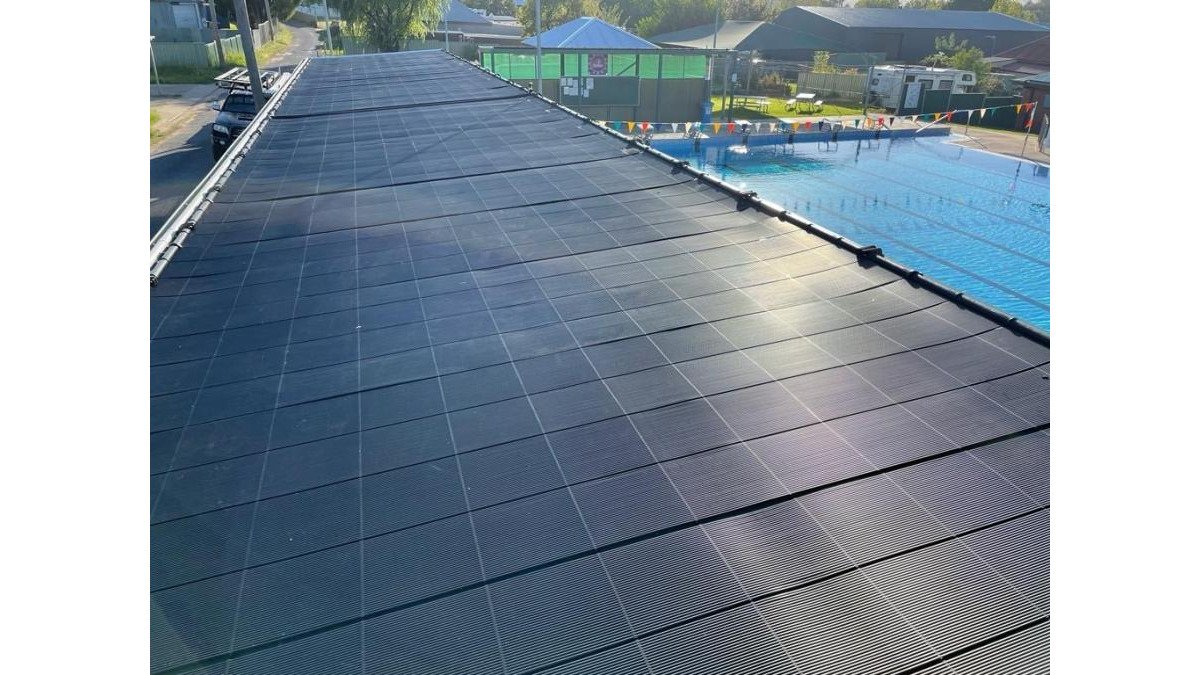
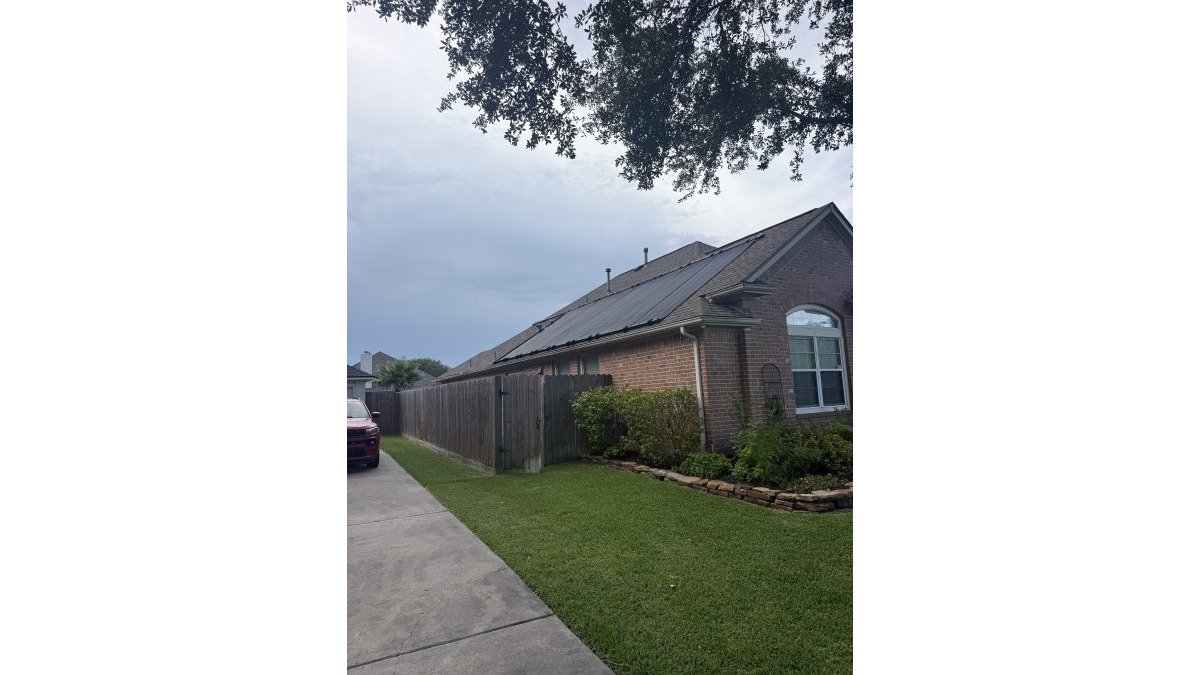
Solar thermal collectors are flat panels or flexible mats mounted on a roof or rack, and they heat water directly rather than generating electricity. For the full mechanics, see how a solar pool heater works.
The system ties into your pool circulation loop, so it runs whenever the pump runs, the only real energy draw is the pump you already own.
Heat Pump Mechanics and Electricity Demand
A pool heat pump moves heat rather than creating it. A fan pulls ambient air across an evaporator coil, refrigerant absorbs that heat, and a compressor concentrates it before a condenser transfers it to the pool water.
That efficiency has a ceiling. Heat pump output falls as ambient air temperature drops, which is exactly when many pool owners want more heat.
Solar Pool Heater Pros and Cons
Solar pool heating wins on operating cost and simplicity, but it has real trade-offs worth understanding before you commit. Here are the honest solar pool heater pros and cons we share with every homeowner.
Pros:
- Near-zero operating cost after installation, since sunlight does the work
- No compressor, burner, or refrigerant, so very few parts can fail
- Low maintenance: an occasional collector cleaning and normal pump care
Cons:
- Heat output depends on sunlight, cloud cover, and available roof space
- Needs adequate collector area to match the pool's surface area
- Adds little heat at night or during extended overcast stretches
A common mistake is assuming solar needs the same service schedule as a gas or electric heater. It doesn't. There are no moving parts in the collector loop beyond your pool pump, which is why so many Texas pool owners find the system pays for itself and then keeps working quietly for years.
Pool Heat Pump Pros and Cons
Heat pumps deliver consistent heat regardless of whether the sun is out, which is their strongest selling point. The pool heat pump pros and cons look quite different from solar's.
Pros:
- Heats reliably day or night, sun or cloud
- Higher heat output per unit than solar in cool weather
- Works independently of roof space and orientation
Cons:
- Runs on electricity every hour it operates, so the utility bill climbs
- Efficiency and heat output drop as ambient air temperature falls
- Compressor, fan, and refrigerant mean more parts that can wear out
- Requires professional service and refrigerant handling over its life
If your electric bill for the pool already runs high, a heat pump can make it higher. That's the trade-off most buyers underestimate.
Pool Heat Pump Electricity Use and Operating Costs
Pool heat pump electricity use is the single biggest reason homeowners reconsider the technology. The compressor and fan draw power continuously while the unit runs, and in cooler months the unit runs far more often to hold temperature. A heat pump's efficiency is measured by its coefficient of performance, which falls as ambient air temperature drops. So the unit works hardest, and costs most, exactly when you need it most.
What COP Actually Means for Your Bill
Coefficient of performance is the ratio of heat delivered to electricity consumed (Purchasing Energy-Efficient Geothermal Heat Pumps). Heat pumps are considerably more efficient than resistance electric heaters (Pump Up Your Savings with Heat Pumps).
But that COP is not a constant, it's a snapshot at one set of conditions. As ambient air temperature falls, the refrigerant cycle has less heat to absorb, the compressor works harder, and COP can drop toward 2 or lower.
Runtime Is the Real Cost Driver
Electricity consumption is a function of two things: how much power the unit draws while running, and how long it runs. The first is fixed by the unit's design. The second is where homeowners get surprised.
A heat pump holds a set temperature by running whenever the pool loses heat faster than the unit can replace it.
A pool cover changes this equation more than any other single factor. By cutting evaporative and radiative losses overnight, a cover can dramatically reduce the hours a heat pump needs to run to hold temperature.
How to Estimate Your Own Consumption
You can build a rough estimate without guessing. Start with the unit's rated power draw in kilowatts, multiply by the hours you expect it to run per day, then by your utility's rate per kilowatt-hour. The hard part is the hours, and that's where a cover, a set temperature you can live with, and a realistic sense of your local climate matter most.
Why Solar Flips the Equation
Solar flips that equation. Once the collectors are installed, the sun provides the heat at no ongoing cost, and the system needs no maintenance beyond routine care. There's no compressor to wear out, no refrigerant to service, and no meter spinning while the pool warms, the only electricity involved is the pool pump you already run. For practical ways to bring pool heating bills down, read our guide on how to lower pool heating bills.
Solar Pool Heater Performance in Cloudy Weather
Solar pool heater performance in cloudy weather is the question we hear most, and the answer is more encouraging than most people expect. Collectors still absorb diffuse sunlight through cloud cover, so a gray day slows heating rather than stopping it.
The real limiter isn't clouds. It's heat loss after sunset. Homeowners who want to know whether solar can still warm a pool in cooler conditions can read whether solar heating warms a pool in winter.
Side-by-Side Comparison: Solar vs Heat Pump
Here's the comparison that matters most: how each system performs across the factors that decide long-term satisfaction. For a fuller verdict, read are solar pool heaters worth it.
| Factor | Solar Pool Heater | Pool Heat Pump |
|---|---|---|
| Energy source | Sunlight | Electricity |
| Operating cost | Near zero after install | Ongoing utility charges |
| Maintenance | Minimal, few moving parts | Compressor and refrigerant service |
| Cold-weather output | Reduced but still active | Higher output, lower efficiency |
| Moving parts | Essentially none | Compressor and fan |
| Lifespan | Long | Shorter service life |
| Carbon emissions | None in operation | Tied to grid power |
| Best for | Sunbelt pools, low running costs | Shaded sites, steady heat demand |
Sizing: Collector Area vs Heat Pump Capacity
The two technologies are sized on completely different scales, and that difference drives most of the real-world performance gap.
Solar thermal collectors are sized against the pool's surface area. Collector area is matched to the pool's surface area, climate, and how the pool is used, and our team sizes each array during the consultation.
Heat pumps are sized in BTUs of heat output per hour, at roughly 4,000 to 5,000 BTUs per hour per gallon of pool water in cooler conditions, or about 2,500 to 3,500 BTUs per hour per gallon in warmer climates.
Realistic Temperature Rise and Recovery
Neither system delivers instant heat, and understanding the realistic numbers prevents disappointment.
A pool cover substantially reduces overnight heat loss, so it helps a solar array hold the warmth it gains during the day.
A heat pump's temperature rise depends on its heat output rating and the ambient air temperature, and its output falls as air temperature drops. Solar collectors keep producing some heat whenever there is daylight.
Lifecycle View: What 10 to 15 Years Actually Looks Like
A fair comparison looks at the whole ownership period, not the first season.
Solar thermal has a high upfront investment but almost no ongoing operating expense beyond the pool pump you already run.
A heat pump has a lower upfront investment but a continuous operating expense tied to electricity, plus compressor and refrigerant service over its life.
The practical takeaway: solar front-loads the investment and then runs nearly free, while a heat pump spreads the investment out but keeps charging you every month.
Get a Free Consultation for Your Pool Heating System
Choosing between solar and a heat pump comes down to how you use your pool, your climate, and how much you want to spend on heating month after month. We believe solar is the smartest, most cost-effective way to heat a pool: it needs no maintenance, pays for itself quickly, and explains why more Texas pool owners are choosing solar over gas or electric heating.
Solar Pool Heating Texas provides residential and commercial solar pool heating installation and repair services across Texas, backed by our 100% satisfaction guarantee and 24/7 availability for emergency repairs. Through our partnership with SolarTEK, we help you choose a system sized for your pool and roof. Ready to move forward? Request a free consultation from Solar Pool Heating Texas. You can also follow our guide on how to get a solar pool heating quote.
Frequently Asked Questions
Does a solar pool heater work on cloudy days?
Yes, but with reduced output. Solar thermal collectors rely on sunlight, so heavy cloud cover lowers heat gain. In practice, a solar pool heater still adds some warmth during partly cloudy conditions because it absorbs diffuse light. Pairing the system with a pool cover limits overnight heat loss, and sizing the collector area generously helps maintain pool temperature through stretches of gray weather.
Which is better, a solar water heater or a heat pump?
It depends on your priorities. A solar pool heater has no moving parts and no electricity use for heating, so operating costs are minimal after installation. A heat pump runs on electricity and works regardless of sunlight, but its operating cost rises with pool heat pump electricity use. For Texas homeowners who want the lowest long-term cost and a low-maintenance system, solar is often the smarter choice.
How long does a heat pump take to warm a pool?
A heat pump typically raises pool temperature gradually, often by a few degrees per day depending on BTU rating, ambient air temperature, and pool size. It can maintain a set temperature steadily once reached. A solar pool heater warms the water whenever the pump circulates it through the collectors, with heating rate tied to sunlight and collector area.
Why is my bill so high with a heat pump?
Heat pumps draw electricity to run the compressor and fan, and that load adds to your utility bill each month the pool is heated. Longer pump runtime, cooler ambient air, and heat loss through an uncovered pool all increase consumption. Solar pool heating avoids that ongoing electricity cost because the sun does the heating, which is why many owners switch.
Your pool shouldn't sit unused for half the year while a heat pump quietly runs up your electric bill. Solar Pool Heating Texas can extend your swimming season by up to nine months, cut or eliminate heating costs, and give you a low-maintenance system you set and forget. Get started with Solar Pool Heating Texas and turn the sun into a warmer pool.