 comparison
Does Solar Pool Heating Increase Home Value?
Last Updated: October 23, 2026
Quick Summary
Yes, solar pool heating can increase home value, though the bump is rarely a line item on an appraisal. Buyers pay more for a pool they can actually use, and a heated pool widens the buyer pool where a plain pool is a liability for half the year.
- Appraisers compare your home to similar homes with pools and rarely assign a separate figure to the heater.
- Solar pool heating can stretch the swimming season by up to nine months, turning a seasonal amenity into a year-round feature.
- Solar collectors have no burners, compressors, or ignition systems, so there is far less to break.
- A pool cover suppresses evaporation and holds the day's heat gain; skipping it is the most common reason owners report disappointing results.
- If you are selling within a year, the value shows up mainly through marketability rather than a formal appraisal line.
Table of Contents
- Does Solar Pool Heating Increase Home Value? The Short Answer
- Does a Pool Heater Add Value to a Home? What Buyers Actually Pay For
- Solar Pool Heating Benefits That Show Up at Resale
- Solar Pool Heating Disadvantages Buyers and Sellers Should Know
- Solar vs. Gas Pool Heater: Which One Buyers Prefer
- How Much Value Solar Pool Heating Adds in Practice
- Is Solar Pool Heating Worth It for Your Home?
- Frequently Asked Questions
Does Solar Pool Heating Increase Home Value? The Short Answer
Yes, solar pool heating can increase home value, though the bump is rarely a line item on an appraisal. Buyers pay more for a pool they can actually use, and a heated pool widens the buyer pool where a plain pool is a liability for half the year.
The value shows up in two places: a longer swimming season makes the pool a genuine amenity, and a solar system removes the monthly gas or electric bill that scares off buyers who already know what a pool costs to run.
What most guides get wrong is treating this as a simple yes-or-no. Appraisers compare your home to similar homes with pools and rarely assign a separate figure to the heater. The value is real, but captured through marketability and buyer preference, not a formal line on the report.
Does a Pool Heater Add Value to a Home? What Buyers Actually Pay For
A pool heater adds value to a home when it changes how buyers see the pool. That is the whole mechanism.
A buyer comparing two similar homes with pools is not comparing heater brands. They are asking one question: will I actually swim here? A pool comfortable from spring through fall answers yes; one usable only in the hottest weeks answers no, and that buyer mentally discounts the home.
Here is what buyers pay for, in rough order of pull:
- Usable months. A pool that swims nine months beats a pool that swims four.
- Predictable running costs. Buyers fear a second utility bill. A system with no fuel cost removes that fear.
- Low upkeep. Buyers do not want another appliance to service.
- Environmental story. Eco-conscious buyers, a growing segment, actively prefer renewable systems.
The decision is emotional first and financial second: a heated pool feels like a luxury, an unheated one in a cool month feels like a maintenance obligation.
Solar Pool Heating Benefits That Show Up at Resale
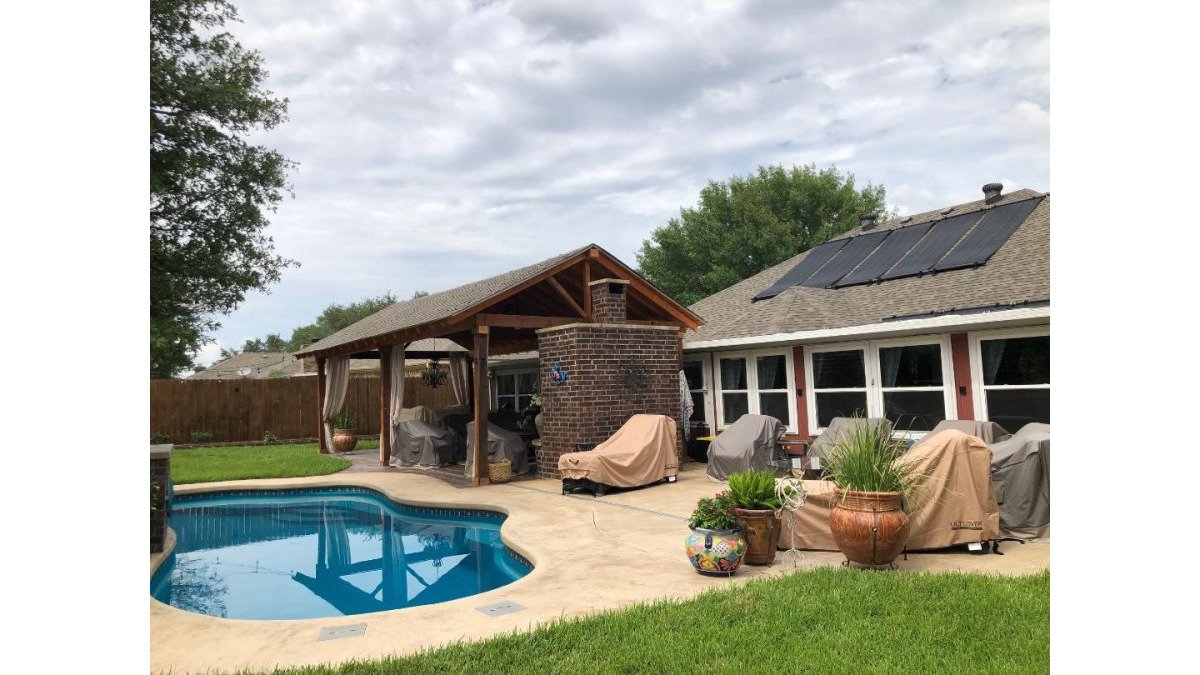
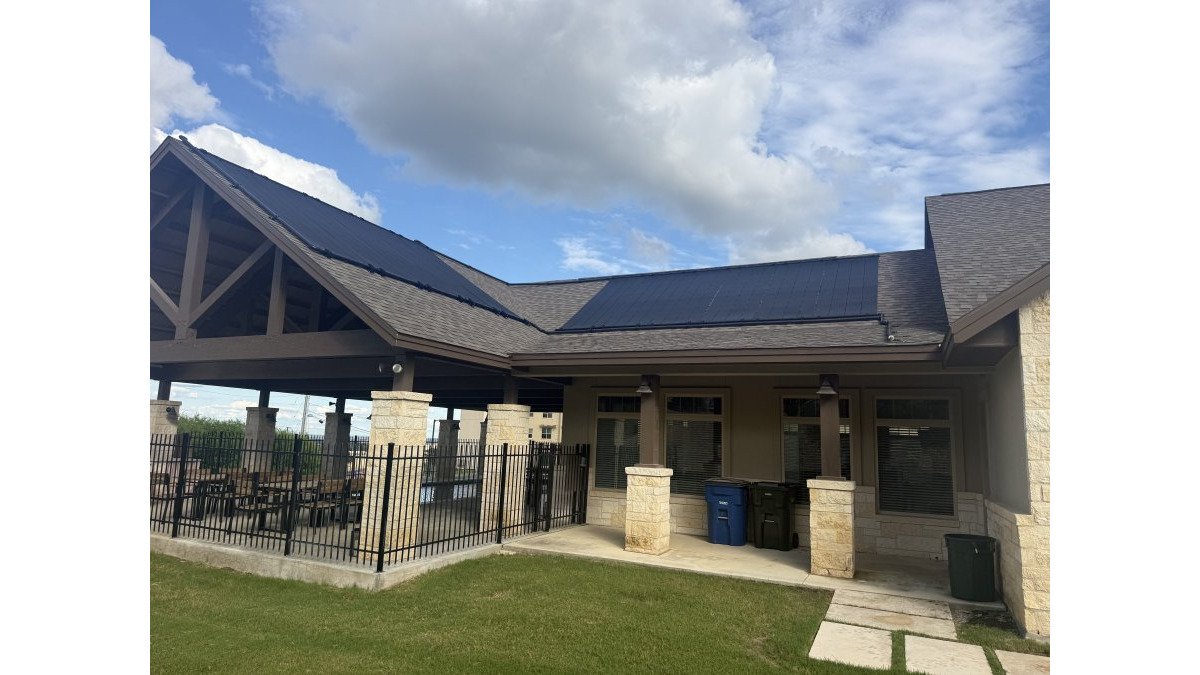
Solar pool heating benefits at resale come down to how the system reads to a buyer walking the property: visible, quiet, and obviously renewable, which does real work in a listing.
The biggest one is season extension. Solar pool heating can stretch the swimming season by up to nine months, which turns a seasonal amenity into a year-round feature. In a warm climate, that is a meaningful difference in how a buyer values the pool.
Running costs are the second. Solar pool heating uses the sun, not fuel, so there is no gas meter spinning and no electric element driving up the bill. Buyers who have priced out pool ownership know what that means, and it removes their biggest objection.
Low maintenance is the third. Solar collectors have no burners, compressors, or ignition systems. There is far less to break, and that reliability is easy to explain during a showing.
For a fuller breakdown, our guide to the benefits of solar pool heating covers how each advantage plays out over a full season.
Solar Pool Heating Disadvantages Buyers and Sellers Should Know
Solar pool heating disadvantages are real, and pretending otherwise hurts credibility. The honest list is short, but each item deserves a mechanism and a realistic sense of scale rather than a vague warning.
Weather dependence is a matter of degree, not a binary. Solar collectors transfer heat whenever sunlight strikes them, and output rises and falls with irradiance, air temperature, wind, and humidity.
Warm-up is gradual by design. Solar builds heat across sunny hours rather than dumping it in fast, so a cold pool will not be swim-ready in an afternoon the way a fuel-fired heater can manage.
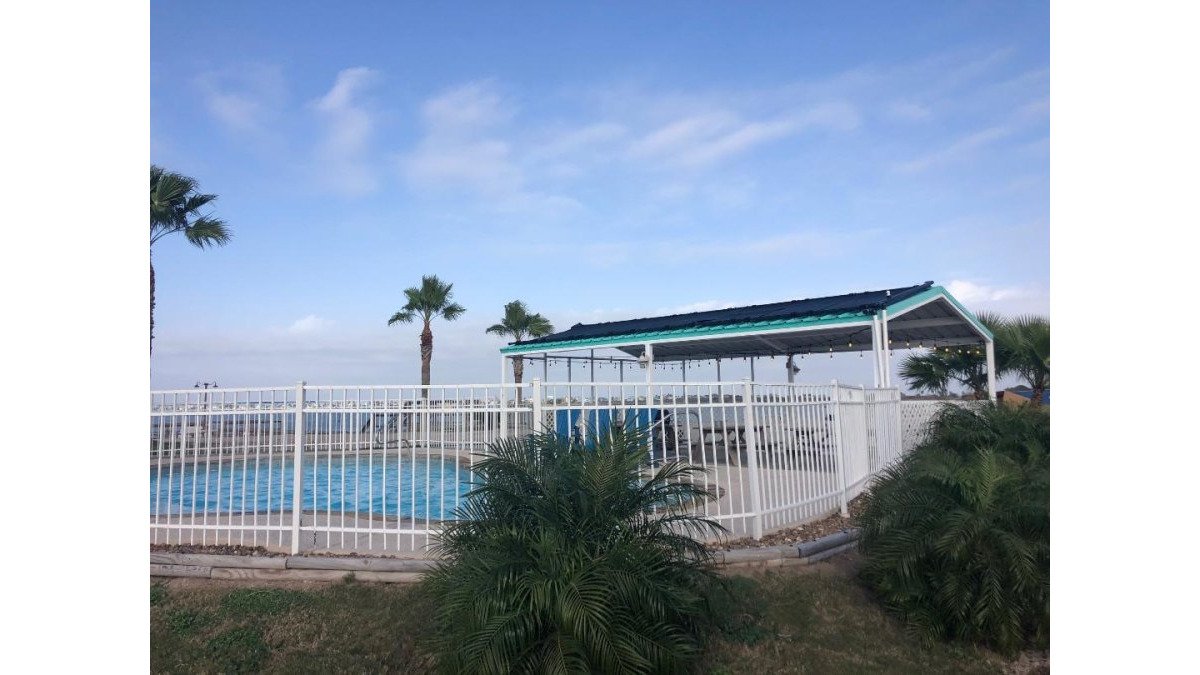
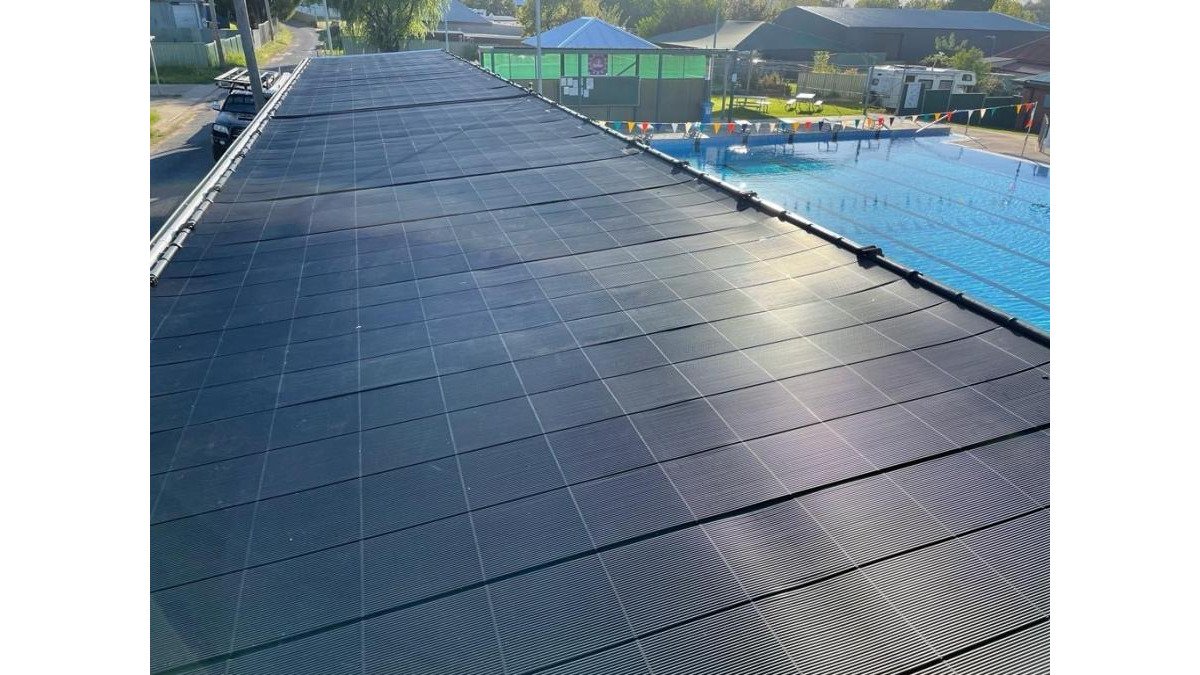
Collector area is a hard constraint. Solar collectors need unshaded roof or ground area facing the sun.
Night heat loss is real, and the cover is the answer. Solar does not heat after sunset, and overnight the pool radiates and evaporates heat away, with evaporation the dominant loss. A pool cover suppresses evaporation and holds the day's gain.
Performance is seasonal, not constant. Expect the strongest gains in the shoulder months when the sun is strong and the air warm, and the weakest in the coldest weeks.
Notice what is not on this list: maintenance headaches. The systems are simple, with no burners, compressors, or ignition systems, and very little to fail.
Solar vs. Gas Pool Heater: Which One Buyers Prefer
Solar vs. gas pool heater is where buyer preference has shifted most in recent years. Buyers increasingly prefer solar, and the reason is not environmental sentiment alone, it is the running bill.
A gas pool heater works well and heats fast, but it burns fuel every hour it runs, and that cost lands on whoever owns the home. Buyers who have owned a gas-heated pool know the bill, and many will not sign up for it again.
Solar flips the equation. The system uses free sunlight, so the ongoing cost of heating is close to nothing beyond the pool pump you already run. That is why more pool owners are choosing solar over gas or electric heating: the cost of ownership after installation is dramatically lower, and the system pays for itself over time. Our real savings from residential solar pool heating shows what that looks like in practice.
Here is how the two compare on the factors buyers actually weigh:
| Factor | Solar Pool Heating | Gas Pool Heater |
|---|---|---|
| Ongoing fuel cost | None; uses sunlight | Ongoing fuel charges |
| Heat-up speed | Gradual, steady | Fast |
| Weather dependence | Yes, sunlight required | No |
| Maintenance load | Very low | Higher; burners and ignition |
| Buyer appeal | Strong, especially eco-conscious buyers | Familiar but carries bill anxiety |
| Night performance | Needs a pool cover | Heats at night |
How Much Value Solar Pool Heating Adds in Practice
How much value solar pool heating adds depends on your local market, your pool, and how the system is presented at sale. There is no universal figure, and any article that hands you one is guessing.
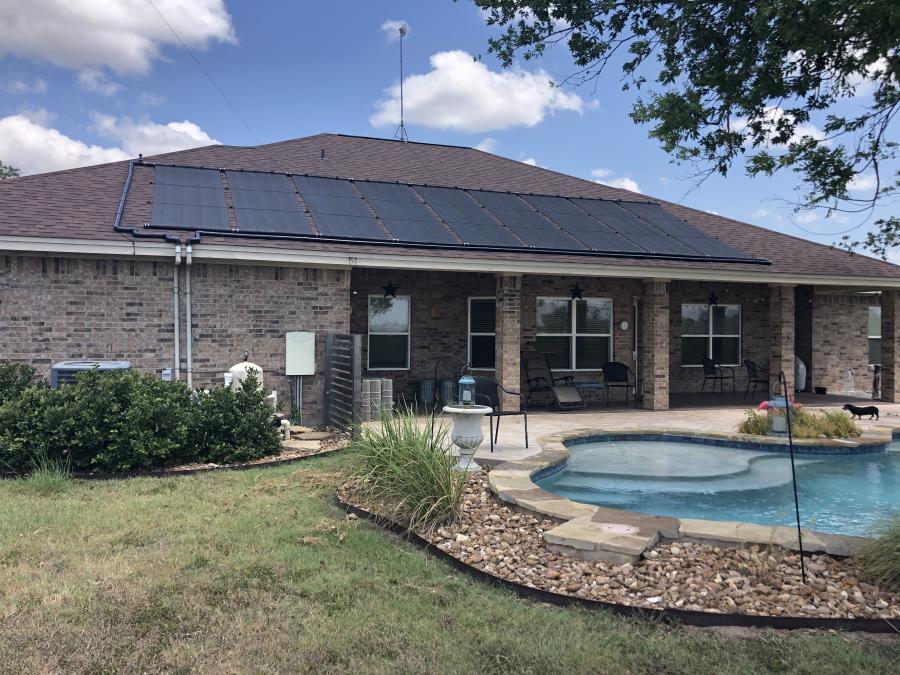
What we can say with confidence is where the value comes from. A solar-heated pool is a differentiated listing: in a neighborhood where several homes have pools, the one with a heated pool and no heating bill stands out, and standing out protects your asking price. Buyers comparison-shop, and a feature that lowers their future cost of ownership gives them a reason to choose your home.
The value also compounds through the amenity itself: a pool that gets used is a pool that gets maintained, and a well-maintained pool reads better at inspection and showing.
If you want the investment side of the picture, our guide to understanding solar pool heating systems walks through what goes into a system and how to think about the return.
Is Solar Pool Heating Worth It for Your Home?
Solar pool heating is worth it for most homeowners who plan to stay several seasons, use the pool regularly, and want to stop paying to heat water with fuel.
Start with your desired swimming temperature and season. If you want comfortable water from spring through fall, solar is a strong fit because it extends the season on both ends.
Match collector area to pool surface area. Performance scales with how much collector area you can install relative to the pool's surface.
Decide whether you need dependable heat or fast heat. Solar builds heat steadily across sunny days and holds it with a cover; a fuel-fired heater raises temperature quickly on demand.
Weigh the ownership cost, not just the equipment. The reason more pool owners are choosing solar over gas or electric heating is the cost of ownership after installation.
Consider maintenance appetite. Solar collectors have no burners, compressors, or ignition systems. There is far less to break, and the system needs no maintenance in the ordinary sense.
Think about resale timing. If you are selling within a year, the value shows up mainly through marketability rather than a formal appraisal line.
Our review of whether solar pool heaters are worth it goes deeper on the decision, and if you are ready to move, our guide to choosing a pool heating contractor covers what to ask before you commit.
At Solar Pool Heating Texas, we install and repair residential and commercial solar pool heating systems, backed by our partnership with SolarTEK, a 100% satisfaction guarantee, and 24/7 availability for emergency repairs.
Frequently Asked Questions
Does solar pool heating increase home value?
It can. Solar pool heating adds a low-maintenance, energy-efficient amenity that buyers in warm climates actively look for, and it removes the fear of a pool that costs a fortune to heat. The value bump depends on your market, pool condition, and how well the system is documented, but the upgrade generally reads as a plus rather than a liability at resale.
Does a solar pool heater make a home easier to sell?
Often, yes. A pool that stays warm for more of the year is a usable feature instead of a seasonal one, and buyers respond to that. Sellers who keep maintenance records and can explain how the system works tend to get smoother showings. Pairing the system with a pool cover and clean equipment makes the whole setup look cared for.
What are the disadvantages of solar pool heating?
The main ones are weather dependence, slower heating during long cloudy stretches, and the need for adequate roof or ground space for the collectors. It also works best when paired with a pool cover to hold heat overnight. None of these are deal-breakers in a sunny climate, but they are worth understanding before you buy.
How does solar pool heating compare with a gas pool heater?
A gas heater warms water fast and works regardless of sunlight, but it keeps running up a fuel bill every month it operates. Solar pool heating uses the sun and your existing circulation pump, so operating costs stay low and the system pays for itself over time. For Texas pool owners who want steady heat and predictable costs, solar is usually the smarter long-term choice.
The challenge is simple: a pool you cannot use for half the year is an expense, not an asset, and every season you wait is another season of fuel bills. Solar pool heating Texas homeowners choose is the smartest, most cost-effective way to heat a pool, with no maintenance and a system that pays for itself. Get started with Solar Pool Heating Texas and turn your pool into a feature buyers actually want.