 comparison
Solar Pool Heater for Saltwater Pool: 2026 Buyer's Guide
Table of Contents
- Why a Solar Pool Heater for Saltwater Pool Owners Makes Sense
- Quick Comparison: Solar Pool Heaters for Saltwater Pools
- Solar Pool Heater Compatibility with Salt Chlorine Generators
- Solar Pool Heating System Components Explained
- Solar vs. Gas Pool Heater: Which Fits a Saltwater Pool?
- Solar Pool Heater Maintenance for Saltwater Systems
- Which Solar Pool Heater Should You Choose?
- Frequently Asked Questions
Last Updated: October 21, 2026
Why a Solar Pool Heater for Saltwater Pool Owners Makes Sense
A solar pool heater for saltwater pool systems is the rare upgrade that solves two problems at once: it extends your swimming season by months and it does it without adding a gas line or a bigger electric bill. At Solar Pool Heating Texas, we install and repair these systems for homeowners and commercial properties across the state, and saltwater owners are among our most satisfied customers.
Salt chlorine generators already cut chemical handling and running costs. Pairing one with solar heat means your pool's two biggest operating expenses, sanitizing and heating, both shrink. Most systems we work with stretch the usable season by up to nine months.
That's the appeal. The catch is that salt water changes what you should buy, and most buying guides skip that part entirely.
Quick Comparison: Solar Pool Heaters for Saltwater Pools
The table below summarizes the options we see most often, along with what each suits best. We install full systems, but we also service equipment homeowners have bought elsewhere, so this reflects what holds up over time.
| Option | Type | Best For | Watch Out For |
|---|---|---|---|
| Solar Pool Heating Texas | Full installed system | Homeowners who want design, install, and 24/7 repair from one team | Custom systems, so sizing depends on your pool |
| DIY kit | Handy owners with simple, flat roof layouts | Limited published saltwater compatibility detail | |
| Panel brand | Brand comparison shoppers | Confirm saltwater specs with the manufacturer | |
| Panel brand | Brand comparison shoppers | Confirm saltwater specs with the manufacturer | |
| Panel brand | Brand comparison shoppers | Confirm saltwater specs with the manufacturer |
The three brand-name panel lines appear in EnergySage's roundup of solar pool heater brands, which is a reasonable starting point for research. None of them publishes saltwater-specific detail in that listing, so ask directly before buying.
Solar Pool Heater Compatibility with Salt Chlorine Generators
Solar pool heater compatibility with salt chlorine generators comes down to materials, not electronics. The two systems share plumbing and nothing else, so the question is whether your panels, fittings, and heat exchanger can handle mildly saline water year after year.
Here's what to check:
- Panel material: Polypropylene and EPDM panels handle salt water well. Copper absorbers are the risk.
- Fittings and clamps: Stainless steel and polymer hold up. Bare mild steel does not.
- Pump sizing: Salt systems and solar arrays both add flow resistance, so confirm your pump handles the combined load.
- Bypass valves: A manual or automatic bypass lets you control flow through the panels as conditions change.
The good news: solar heating and salt chlorine generation are generally compatible when the system is specified correctly. The bad news is that a lot of off-the-shelf kits don't say which materials they use.
Solar Pool Heating System Components Explained
A solar pool heating system has five core parts: collectors, a pump, a filter, plumbing with valves, and a control unit. Each one matters for performance, and each one interacts with your salt system.
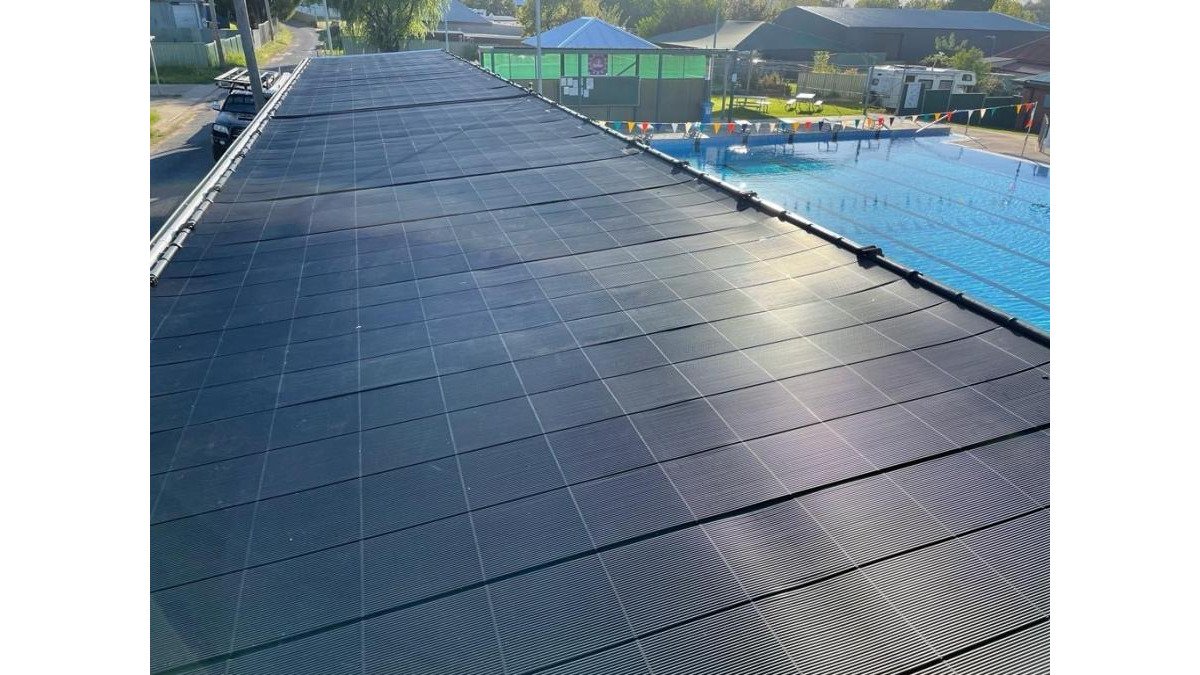
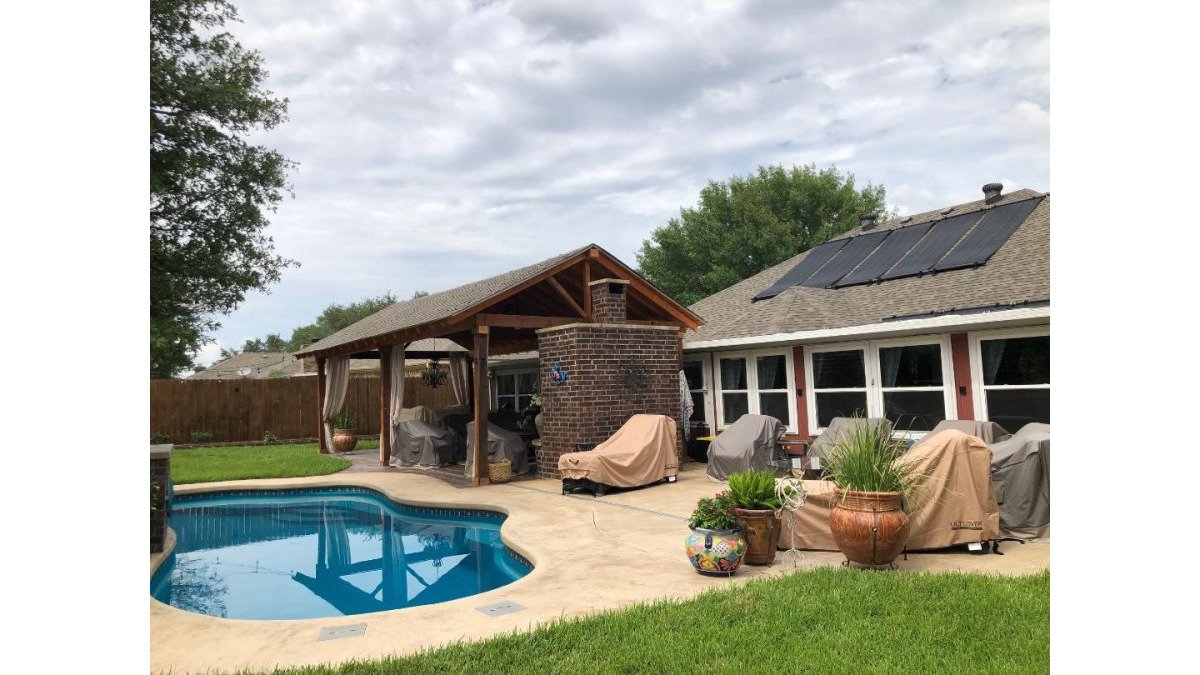
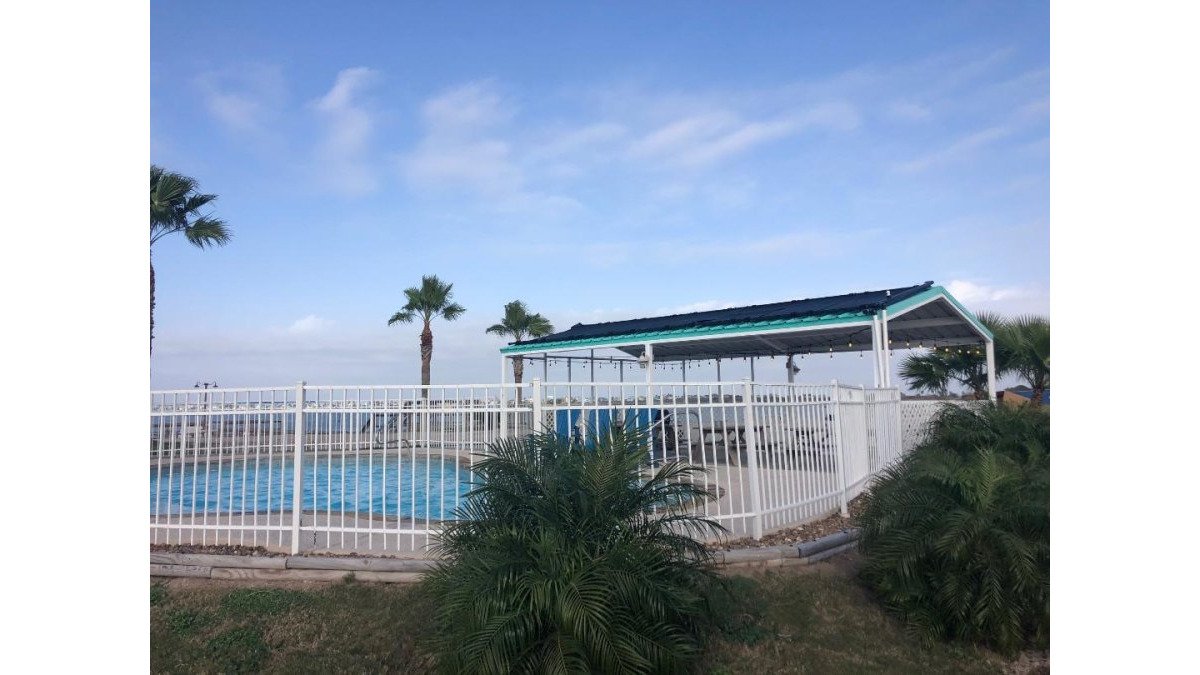
Collectors are the panels that absorb sunlight and transfer heat to the water. They're usually mounted on a roof or a ground rack facing the sun.
The pump moves water through the collectors. If your existing pump is undersized, the array won't perform as designed.
The filter protects the collectors from debris. Clean filters matter more with solar because clogged panels lose efficiency fast.
Plumbing and valves route water to the panels and back, including the bypass that lets you shut the array off.
The control unit decides when the system runs, typically comparing panel temperature to pool temperature.
For saltwater pools, the material choices inside those components matter more than the layout. A well-designed system with the wrong fittings will still fail.
Solar vs. Gas Pool Heater: Which Fits a Saltwater Pool?
Solar wins on operating cost and maintenance; gas wins on speed and independence from weather. That's the honest trade-off, and it's the same for saltwater and freshwater pools.
Solar collectors use free sunlight, so once installed there's no fuel bill. The system also has no burner, no ignition, and no exhaust, which means very little to break. Gas heaters heat fast regardless of cloud cover, but they burn fuel every hour they run, and salt water shortens the life of the metal heat exchanger inside them.
This is why more Texas pool owners are moving to solar. The season is long, the sun is reliable, and the ongoing cost of gas heating keeps climbing.
Solar Pool Heater Maintenance for Saltwater Systems
Solar pool heater maintenance for saltwater systems is minimal, but it isn't zero. A few habits keep the array producing heat for years.
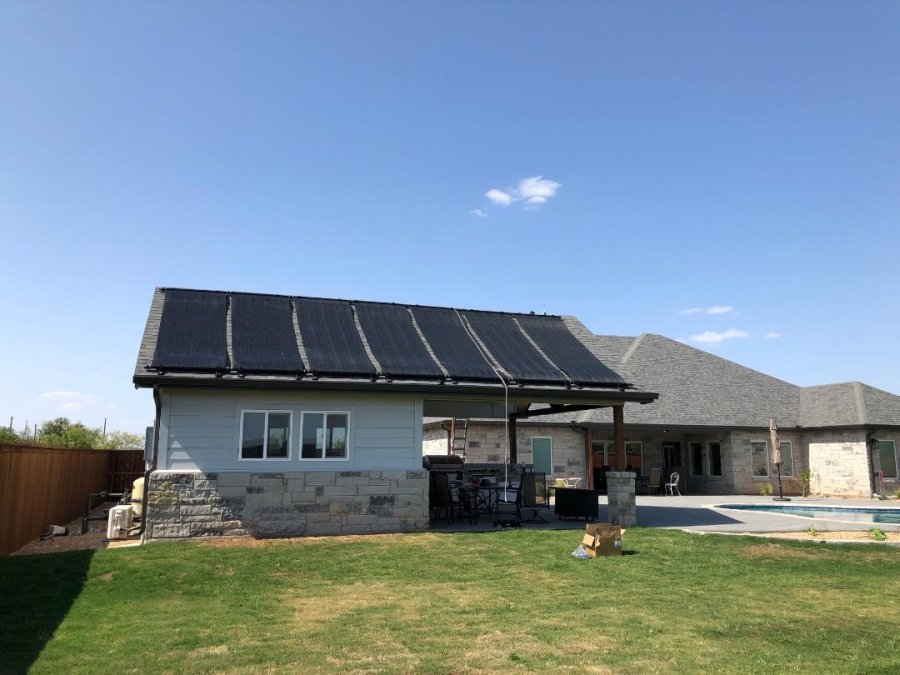
Rinse the panels a few times a season to clear dust and pollen. Check the fittings for salt creep or corrosion once a year. Keep the filter clean so flow stays strong. Watch for scale on the panel surface, which is more common in hard-water areas.
The system itself has no moving parts beyond the valves, which is why we describe it as low maintenance rather than maintenance-free.
Which Solar Pool Heater Should You Choose?
Choose a system sized to your pool, built with salt-compatible materials, and backed by someone who will still answer the phone when something leaks. Those three criteria matter more than any brand name.
For most homeowners, we recommend a professionally designed and installed system rather than a kit. Sizing depends on pool volume, roof space, sun exposure, and your target temperature, and getting it wrong wastes the investment. Solar Pool Heating Texas handles installation and repair, backed by a 100% satisfaction guarantee and 24/7 emergency service.
Heating a saltwater pool shouldn't mean choosing between high fuel bills and a short season. Solar pool heating from Solar Pool Heating Texas is designed to extend your swimming season by up to nine months, cut or eliminate heating costs, and run with almost no maintenance. Our team installs and services residential and commercial systems across the state, with a 100% satisfaction guarantee and 24/7 emergency repair availability. Get a free consultation and find out what a properly sized solar system can do for your pool.
Frequently Asked Questions
Can you use a solar pool heater with a saltwater pool?
Yes. A solar pool heater works with a saltwater pool because the salt water never enters the solar panels in most setups. The pool pump pushes water through a filter and then through the panels, and the salt chlorine generator sits on a separate loop. The main thing to confirm is that the panels, connectors, and valves are rated for salt water, since chlorinated salt water is more corrosive than fresh water. Ask the installer to confirm saltwater compatibility before the system goes on your roof.
Will saltwater damage solar pool heating panels?
Saltwater can shorten the life of panels that are not built for it. Standard polypropylene panels usually handle salt water well, but metal components, cheap clamps, and low-grade valves corrode faster. Look for panels with salt-rated connectors and stainless or plastic fittings. Rinsing the panels a few times a season removes salt residue and keeps them working longer. With the right components, a saltwater pool and a solar heater coexist for many years.
Is solar pool heating better than a gas pool heater?
For most pool owners, solar wins on operating cost. A gas heater burns fuel every time it runs, and a saltwater pool's higher chemical load can wear on the heat exchanger. Solar panels use the sun, so once installed they add little to your monthly bill. Gas heats faster on demand and works on cloudy days, but it costs more to run. Solar is the smarter long-term choice for extending the swim season, especially in sunny climates.
How do you maintain a solar pool heating system?
Maintenance is simple. Check the panels and roof mounts twice a year for leaks or loose fittings. Rinse dust and salt residue off the panels with a hose. Keep the filter clean so flow stays strong. Watch for air bubbles in the return line, which point to a leak. In freezing weather, drain the panels or run the pump to prevent damage. Most systems need only a quick seasonal check, and a 24/7 repair team can handle anything bigger.
Do solar pool heaters work with salt chlorine generators?
They do. The salt chlorine generator makes chlorine from salt in the pool water, and the solar heater warms the water on a separate loop. The two systems share the same pump and plumbing but do not interfere with each other. Place the generator cell after the filter and heater so it gets clean, warm water. Confirm the flow rate matches both devices, and the pair will run smoothly for years.