 how-to
How to Choose a Pool Heating Contractor: 7-Step Guide
Table of Contents
- Start With the Three Heater Types Before You Call Anyone
- Match Heating Capacity to Your Pool Size and Climate
- Build a Pool Heating Contractor Checklist Before You Interview
- Pool Heater Installer Questions to Ask in Every Consultation
- What a Solid Pool Heater Installation Proposal Includes
- Pick a Solar Pool Heating Contractor Who Backs the Work
- Conclusion
- Frequently Asked Questions
Last Updated: October 21, 2026
Start With the Three Heater Types Before You Call Anyone
Learning how to choose a pool heating contractor starts with knowing what you actually want installed. At Solar Pool Heating Texas, we tell homeowners the same thing: pick the heater type first, then pick the installer.
Here is the short version of each.
A heat pump moves heat from the outside air into your pool water. It runs on electricity and works best in warm air.
A gas heater burns natural gas or propane to heat water fast. It is quick but usually the most expensive to run.
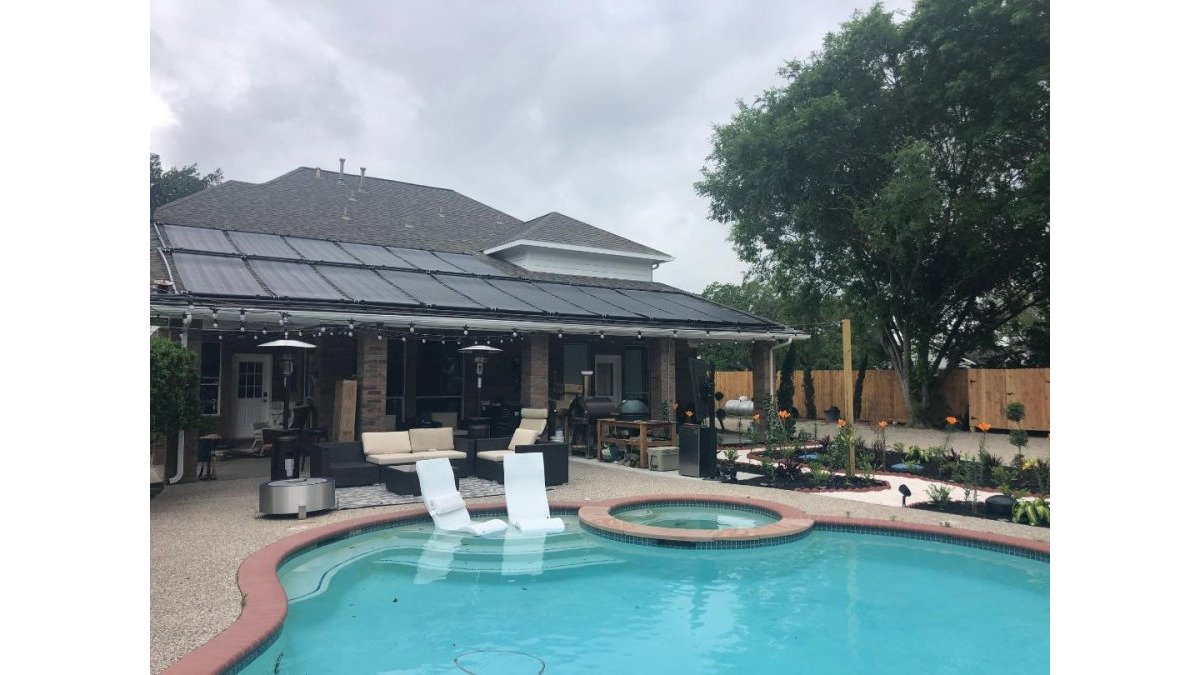
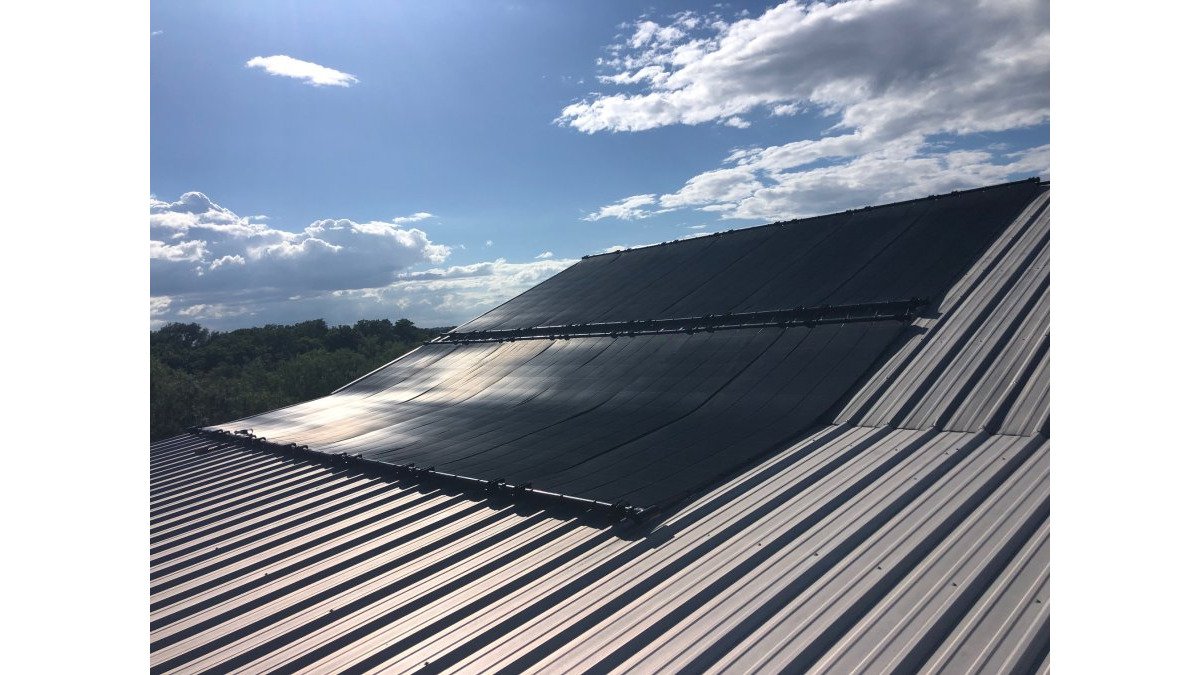
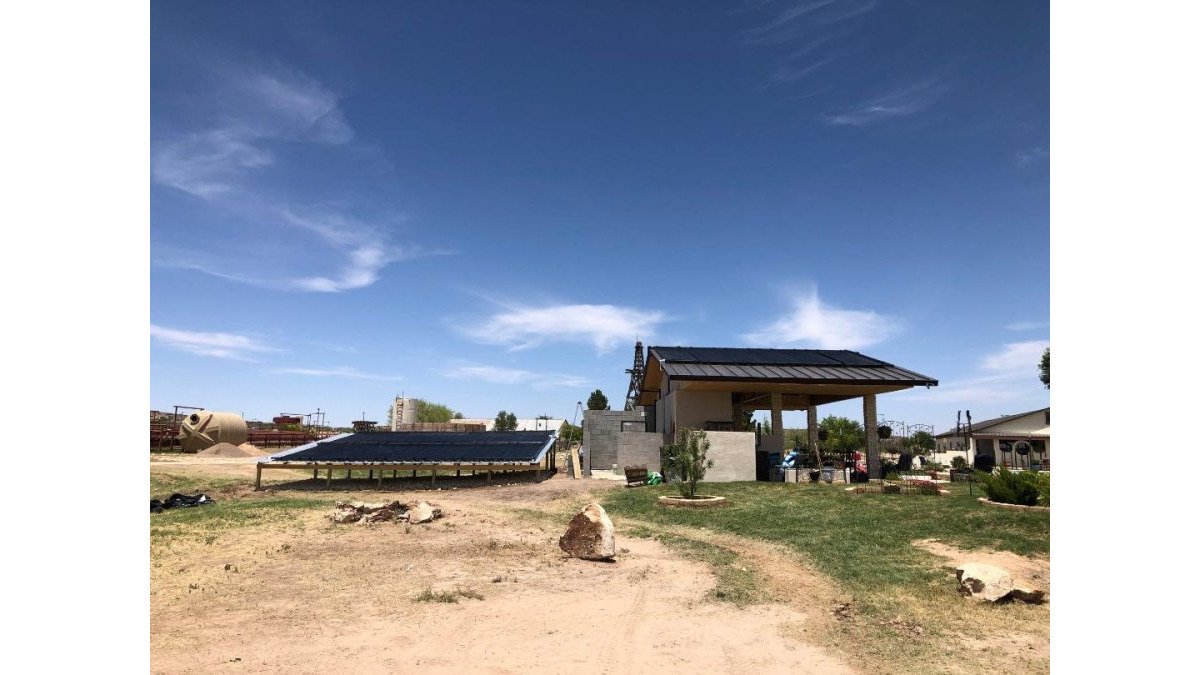
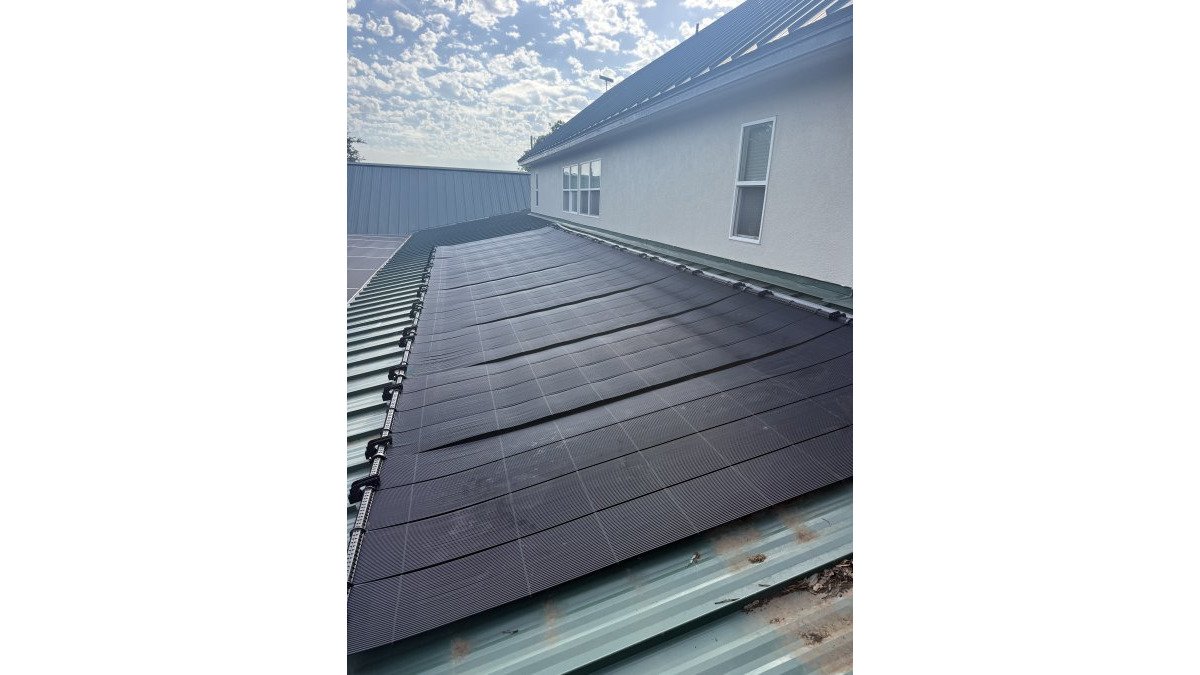
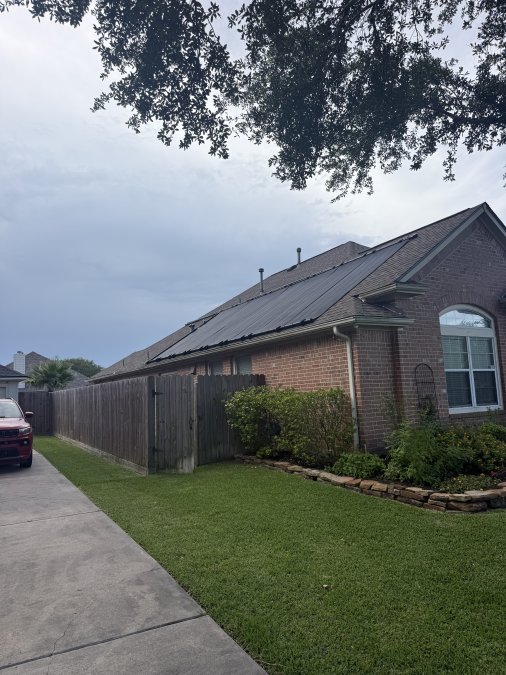
Solar heating uses panels on your roof or rack to warm water as it circulates.
Heat Pumps, Gas Heaters, and Solar Heating at a Glance
| Heater Type | Energy Source | Best For | Ongoing Energy Use |
|---|---|---|---|
| Heat pump | Electricity | Mild climates, steady use | Moderate |
| Gas heater | Natural gas or propane | Fast heat on demand | High |
| Solar heating | Solar energy | Extending the season | Minimal |
Why Solar Wins on Running Costs in Texas
Texas gets abundant sunshine, and that changes the math. A solar pool heating system uses free solar energy to warm your pool, so it adds almost nothing to your utility bill.
Solar also needs very little maintenance and pays for itself quickly. That is why more Texas pool owners are choosing solar over gas or electric heating. If running costs matter to you, tell any pool heating contractor you interview that solar is your priority.
Match Heating Capacity to Your Pool Size and Climate
Heater sizing comes down to three numbers: your pool volume in gallons, your desired water temperature, and the temperature rise you need.
Pool volume is length times width times average depth times 7.5 for a rectangular pool.
Temperature rise is the gap between your current water temperature and your target.
Climate and weather decide how much of that rise the sun can deliver.
BTU and heating capacity matter most for gas and heat pumps.
Build a Pool Heating Contractor Checklist Before You Interview
A pool heating contractor checklist keeps the conversation on track and makes bids easy to compare. Bring it to every consultation, and treat it as a verification tool rather than a formality. The difference between a strong hire and a weak one usually shows up in how a contractor responds when you ask for proof.
Credentials, Insurance, and Local Experience
- State contractor license or registration current for the work being done
- General liability insurance certificate showing current coverage, with the insurer named
- Workers' compensation coverage, or a written explanation of how crew injuries are handled
Do not accept a verbal "we're licensed and insured." Ask for the certificate and the license number, then confirm both independently. A contractor who hesitates on either request is telling you something important.
How to Verify, Not Just Ask
Most homeowners collect promises. The stronger move is to verify each one before you sign:
- License: Look up the license or registration through the state or local authority that issues it. Confirm the name on the record matches the company bidding.
- Insurance: Call the insurer listed on the certificate of insurance and confirm the policy is active and covers pool work. Ask whether the certificate names you as an additional insured for the project.
- References: Call the references and ask three questions, did the system deliver the heat promised, did the crew show up when scheduled, and did the contractor respond after the sale?
- Manufacturer certification: Ask the manufacturer or distributor whether the contractor is an authorized installer for the equipment being quoted. Authorized installers often get better warranty support.
Solar-Specific Vetting Questions
Solar pool heating is not the same trade as gas or heat pump work, and a contractor who is excellent at one may be average at another. Ask:
- How many solar pool heating systems have you installed in the last twelve months?
- Can you show me a roof or rack layout you designed for a pool like mine?
- What panel manufacturer do you use, and why that one over the alternatives?
A contractor who specializes in solar will answer these quickly and specifically. A generalist will often pivot back to gas or electric options, which tells you where their comfort level sits.
Red Flags That Should End the Conversation
- Pressure to sign on the first visit, or a "today only" discount
- No written proposal, only verbal promises
- Vague answers about warranty responsibility
What to Bring to the First Visit
Come prepared so the consultation is productive: your pool's dimensions and approximate gallonage, a photo of the equipment pad, a photo of the roof or rack area, your target water temperature, and a list of the questions below. Contractors give better answers when they have better inputs, and you will compare bids more fairly when every contractor is working from the same information.
Pool Heater Installer Questions to Ask in Every Consultation
The best pool heater installer questions get specific answers, not sales talk. Ask these in every consultation:
- How did you size this system for my pool volume and temperature goals?
- What exactly is included in the installation scope?
- Who handles warranty claims, you or the manufacturer?
- What does routine maintenance involve, and how often?
- How do you handle a repair call, and what is your response time?
- Can you show me references from pools like mine?
- What happens if the system underperforms after installation?
Write down the answers. Compare them side by side. The contractor who answers with numbers and specifics is usually the one who will back the work.
What a Solid Pool Heater Installation Proposal Includes
A pool heater installation proposal should be itemized, written, and complete. If it is a single number on a business card, walk away. The proposal is the document you will rely on if something goes wrong, so read it the way you would read a contract, because that is what it becomes.
A strong proposal covers:
- Equipment by make and model, including panel count and controller model
- Mounting plan for the roof or rack, including how penetrations are sealed
- Plumbing and valve work, with pipe sizing and routing described
Reading an Itemized Bid Line by Line
Compare bids line by line, not by the bottom number. Two proposals can look similar at the total and differ sharply in what they deliver. Build a simple comparison sheet with one column per contractor and one row per scope item, then mark each row as included, excluded, or unclear.
Pay particular attention to these rows, which are the most common sources of an incomplete bid:
- Panel count and model: Fewer or lower-grade panels produce less heat for the same pool.
- Controller and sensors: A system without proper controls cannot optimize when the pump runs.
- Valve and plumbing scope: Automatic valves and bypass plumbing are sometimes listed as optional.
If a row is marked unclear, ask the contractor to put the answer in writing before you compare totals. An unclear row is not a neutral row, it is a risk you are accepting.
Warranty Responsibility: Manufacturer vs. Workmanship
This is where many bids quietly differ. Ask each contractor to separate the two:
- Manufacturer warranty: Covers the panels, controller, and other equipment for a stated period. Confirm whether it is transferable if you sell the home.
- Workmanship warranty: Covers the installation itself, mounting, plumbing, sealing, and electrical connections. Confirm the length and what voids it.
Then ask the question most homeowners forget: who files the claim? A contractor who handles warranty claims on your behalf is worth more than one who hands you a phone number. Get the answer in writing, along with the service response expectation.
Total Cost of Ownership, Not Just the Bid
Ask about total cost of ownership, too. Solar pool heating needs no maintenance to speak of, pays for itself quickly, and shields you from fuel price swings that gas and electric heaters cannot avoid. That is why more pool owners are choosing solar over gas or electric heating. When you compare proposals, weigh the ongoing energy picture, not only the installation scope.
Contract Protections to Confirm Before You Sign
-
Payment schedule tied to milestones
-
A written completion date and a description of what "complete" means
-
A change-order clause requiring your written approval before extra work begins
-
The license number, insurance certificate, and warranty terms attached to the contract
A proposal that includes all of this is not just thorough, it is a signal that the contractor runs a professional operation and expects to be held to it.
Pick a Solar Pool Heating Contractor Who Backs the Work
The final filter is support after the sale. A solar pool heating contractor should stand behind the panels, the plumbing, and the controls.
Warranty Terms and Post-Installation Support
Ask three warranty questions:
- What is covered, and for how long?
- Who pays for labor on a claim?
- How do I reach you when something breaks?
At Solar Pool Heating Texas, we back our work with a 100% satisfaction guarantee and stay available 24/7 for emergency repairs. We specialize in both residential and commercial solar pool heating, and our partnership with SolarTEK means the equipment is matched to your pool, not pulled off a shelf.
Conclusion
Choosing a pool heating contractor takes a checklist, good questions, and a written bid you can read line by line. The payoff is a system that heats your pool for years with almost no maintenance and no fuel bills.
Solar is the smartest, most cost-effective way to heat a pool in Texas, and it pays for itself quickly. If you want a system sized to your pool and backed by people who answer the phone, get a free consultation from Solar Pool Heating Texas.
Frequently Asked Questions
How do I find a qualified pool heating contractor?
Start with contractors who specialize in pool heating rather than general pool builders, then verify liability insurance and manufacturer certifications. Ask for three recent local references and call them. Request a written, itemized proposal that separates equipment, labor, and warranty terms. A qualified pool heating contractor will welcome these questions and explain sizing math for your pool volume, desired water temperature, and temperature rise without pressure.
What questions should I ask a pool heater installer?
Ask how they sized the heater for your pool volume in gallons, what temperature rise they expect, and how local weather conditions affect performance. Confirm who handles warranty claims and how quickly they respond to service calls. Ask whether they install solar, heat pump, or gas systems regularly and which energy source they recommend for your utility rates. Finally, ask for a written scope covering equipment, labor, and cleanup so nothing is left verbal.
How do I know whether a contractor specializes in solar pool heating?
Specialists talk in specifics: collector square footage relative to pool surface area, panel orientation, freeze protection, and how the system integrates with your existing pump and filter. They can show photos of completed solar pool heating contractor projects nearby and explain maintenance needs honestly. Generalists tend to steer every conversation toward gas or electric heaters. If a contractor cannot describe how solar heating extends your swimming season, keep looking.
What should a pool heater installation proposal include?
A complete pool heater installation proposal lists equipment make and model, collector or heater sizing, labor scope, electrical or gas connections if needed, warranty terms for equipment and workmanship, and a payment schedule tied to milestones. It should state who handles cleanup. Get at least two comparable written bids and compare line items, not just totals, so you can see where each contractor adds or cuts scope.