 comparison
Real Savings From Residential Solar Pool Heating
Table of Contents
- How Solar Pool Heating Turns Sunlight Into Real Savings
- What Solar Pool Heater Operating Costs Actually Look Like
- Solar vs. Gas Pool Heater: Which One Costs Less to Run?
- Solar vs. Electric Pool Heater: Comparing Long-Term Costs
- The Solar Pool Heating Payback Period Explained
- What Drives Your Savings Up or Down
- Why More Pool Owners Are Choosing Solar Pool Heating
- Frequently Asked Questions
Last Updated: October 18, 2026
How Solar Pool Heating Turns Sunlight Into Real Savings
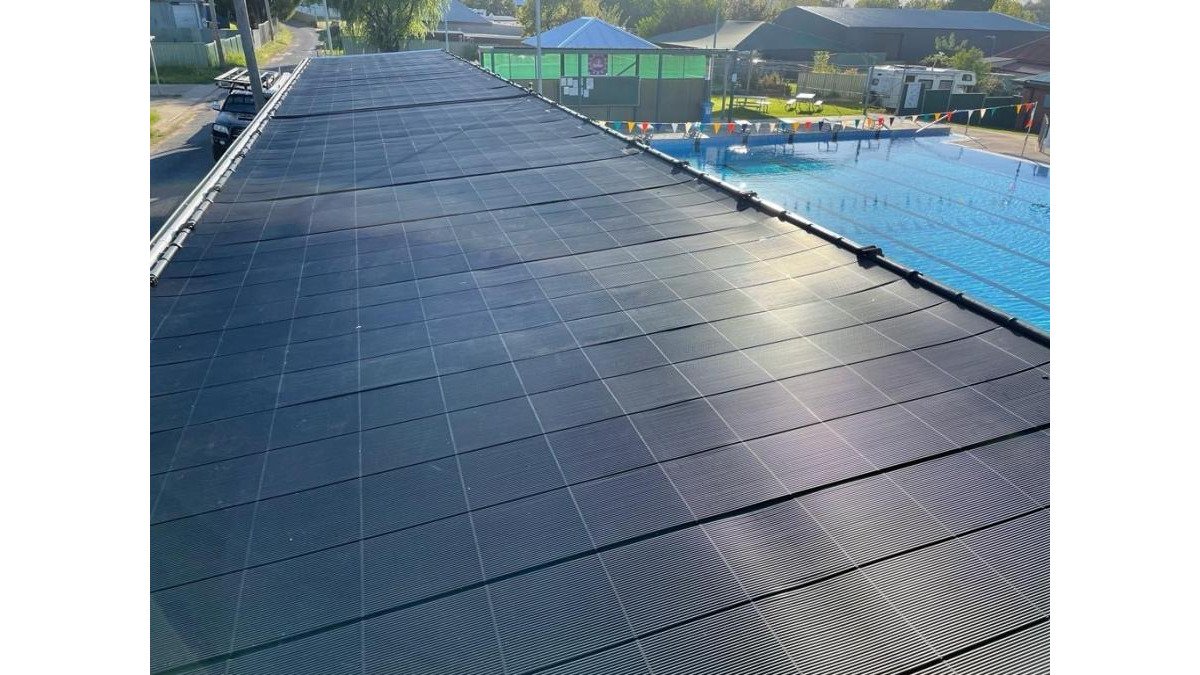
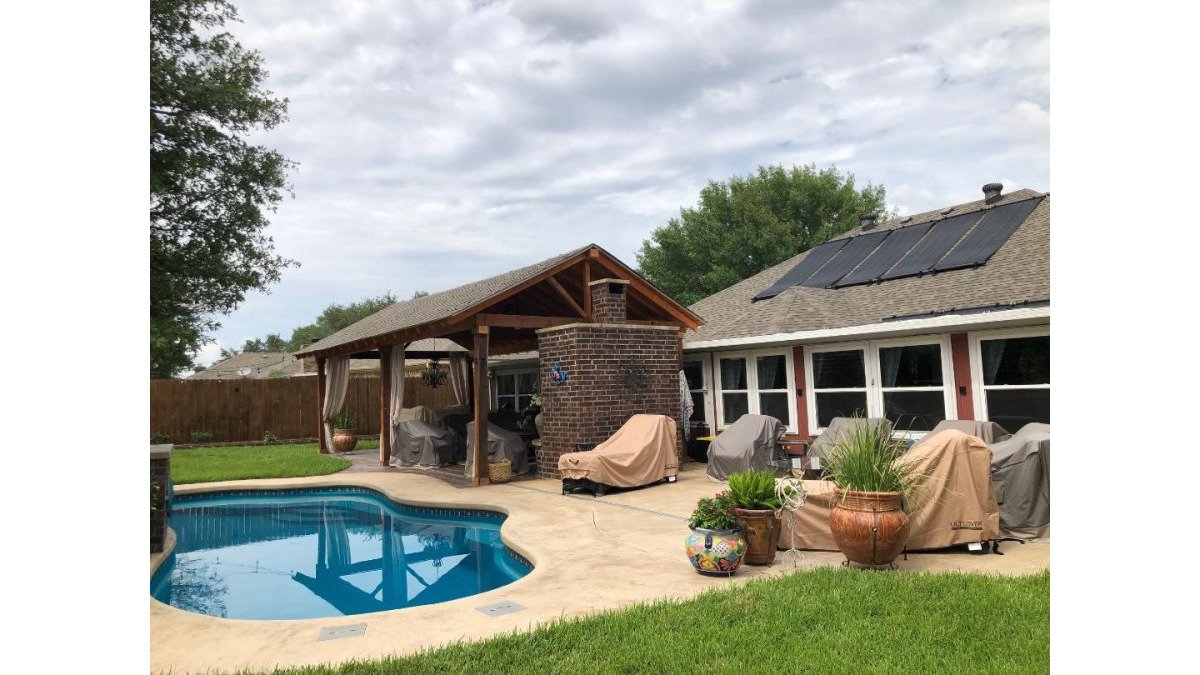
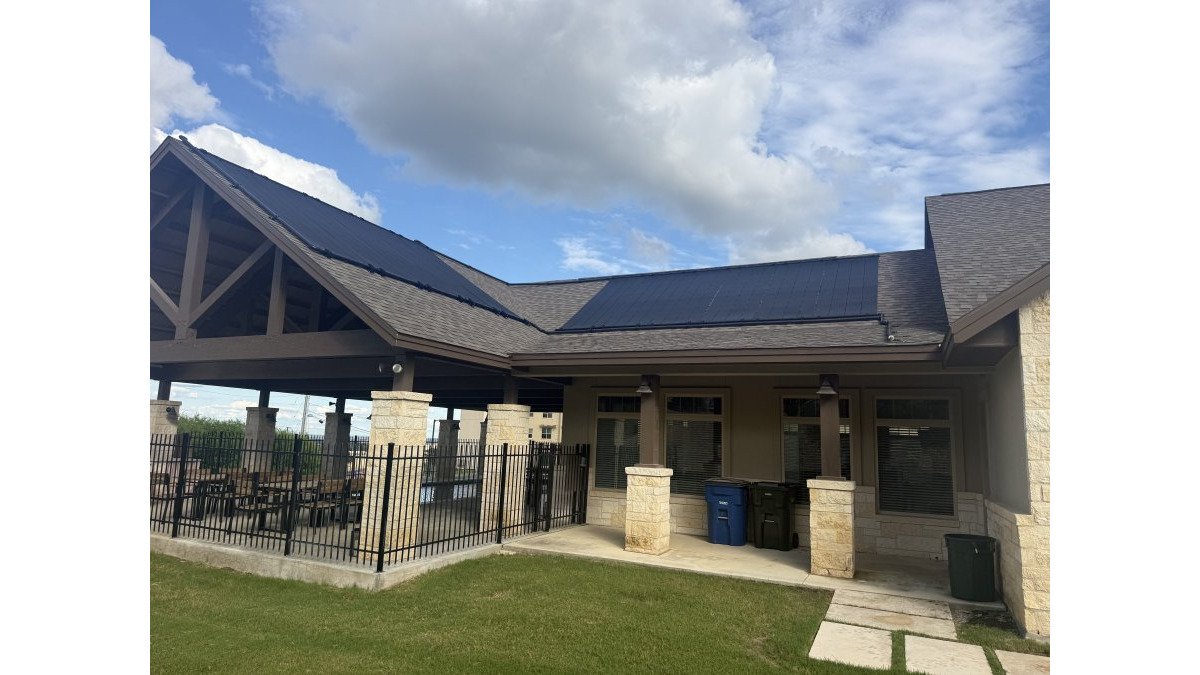
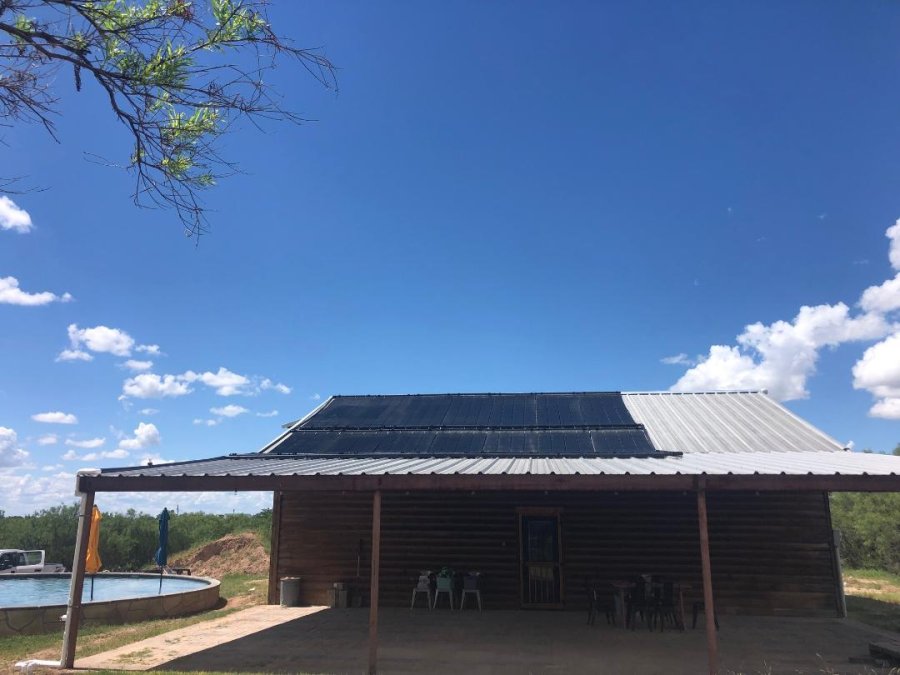
The real savings from residential solar pool heating start with a simple swap: instead of paying to create heat, you capture heat that already exists. A solar pool heater routes pool water through collectors mounted on a roof or rack, where sunlight warms the water before it returns to the pool.
That distinction matters. A gas heater burns fuel every hour it runs. A solar system captures free solar energy with equipment that has no burner, no flame, and no fuel line. Once installed, the sun does the work.
What Solar Pool Heater Operating Costs Actually Look Like
Operating costs for a solar pool heater come down to one thing: the electricity used to run the pool pump through the collectors. There is no fuel charge, no pilot light, and no combustion. But "just the pump" deserves a closer look, because the pump is where the only real operating variable lives, and where most savings estimates go wrong.
The mechanism. Your pool pump already runs several hours a day for filtration. A solar system adds a diverter valve and a controller that routes water through the collectors whenever the collectors are hotter than the pool. In many setups, the added run time is modest because the pump was circulating water anyway; the solar controller simply redirects that flow to the roof during sunny hours instead of straight back to the pool. The heat gain per pass depends on flow rate, collector area, and how much sun the collectors are receiving at that moment.
What actually moves the operating number:
- Pump speed and schedule. A variable-speed pump run at lower speed for longer can move the same water for less energy than a single-speed pump run in short bursts. Matching the schedule to peak sun is the single biggest operating lever.
- Controller setpoints. A differential controller that only diverts water when collectors are meaningfully warmer than the pool avoids wasting pump energy on cloudy or cool periods.
- Collector area relative to pool volume. An undersized array needs more pump hours to deliver the same heat, which quietly raises operating energy.
- Cover use. A cover reduces overnight heat loss, so the system doesn't have to replace as much heat the next day, less pump run time for the same comfort.
- Desired temperature. Every degree you ask for above the natural solar equilibrium requires more circulation and, in shoulder seasons, more backup heat.
The practical takeaway: solar pool heating turns a recurring fuel bill into a one-time equipment decision, and the only ongoing cost is pump electricity you largely control through scheduling and habits. That is the core of the savings story, and the reason the system needs no maintenance.
Solar vs. Gas Pool Heater: Which One Costs Less to Run?
A gas pool heater delivers fast heat but ties you to fuel costs that rise over time. Every hour of warmth has a price attached. A solar pool heater has no fuel costs at all, so its ongoing expense is limited to pump operation.
Here is how the two compare on the factors that matter most:
| Factor | Gas Pool Heater | Solar Pool Heater |
|---|---|---|
| Fuel source | Natural gas or propane | Free sunlight |
| Ongoing fuel cost | Yes, every hour of use | None |
| Heat-up speed | Fast | Gradual, weather-dependent |
| Maintenance profile | Burner and fuel system service | No maintenance |
| Season extension | Limited by fuel spend | Up to nine months with proper sizing |
Gas wins on speed. Solar wins on the long game, because the sun does not send a monthly bill. For homeowners focused on reducing energy costs over many seasons, solar pool heating is the more cost-effective path.
Solar vs. Electric Pool Heater: Comparing Long-Term Costs
An electric heat pump is efficient, but it still draws significant electricity every time it runs. That consumption shows up on the utility bill month after month. A solar thermal system, by contrast, uses the sun as its heat source, so the equipment works whenever sunlight hits the collectors.
Over a system lifespan of many years, the gap widens. Electric heaters carry a perpetual energy cost. Solar collectors carry almost none beyond routine pump operation and occasional checks. When homeowners ask us which option reduces energy consumption most, the answer is consistently solar.
The Solar Pool Heating Payback Period Explained
Payback period is the time it takes for energy savings to equal what you invested in the system. Because solar pool heating eliminates fuel costs, the payback clock starts ticking the moment the system is running.
The calculation, step by step. You don't need a finance degree; you need four inputs:
- What you would otherwise spend to heat the pool. If you currently run a gas or electric heater, that recurring fuel or electricity spend is your baseline. If you don't heat at all, your baseline is the value you place on an extended season.
- What the solar system adds to your pump energy. Estimate the added run time and pump wattage, then multiply by your utility rate. For most well-designed systems this is a small fraction of a fuel bill.
- Your annual solar heat contribution. This depends on collector area, local sun hours, shading, and season length, the factors below.
- Any reduction in backup heating. A solar system that carries most of the load means the gas or heat pump runs far less, and that avoided fuel is real savings.
Divide the installed investment by the annual savings, and you have a payback estimate. The honest caveat: that estimate is only as good as the assumptions, which is why a sensitivity check matters more than a single number.
What sets the pace:
- Collector area and system sizing matched to pool size and volume, undersized arrays stretch payback because they underdeliver on the savings side.
- Sunlight and solar exposure at your location, more sun hours mean more free heat per collector.
- Shading from trees or structures, even partial shade during peak hours cuts output disproportionately.
- Roof orientation relative to the sun, a well-oriented array captures more of the available solar resource.
- Pool covers and operating habits, a cover holds heat in overnight and is one of the simplest ways to shorten payback.
- Desired temperature and season length, asking for warmer water or a longer season raises the load the system must meet.
The sensitivity check competitors skip. Run your estimate three ways: a good-case (full sun, cover used, well-sized array), a typical case, and a conservative case (some shading, no cover, shoulder-season use with backup heat). If the system still pays back in a reasonable window under the conservative case, the decision is robust.
A properly sized system with good sun exposure and a cover habit pays for itself faster. A shaded, undersized install stretches the timeline. That is why sizing and site assessment matter more than any single specification, and why the smartest approach is to model the conservative case, not the best one.
What Drives Your Savings Up or Down
Savings are not fixed. They respond to how the system is designed and how the pool is used. The biggest levers:
Sun exposure and climate. More direct sunlight and a warmer climate mean more free heat captured. Pool owners in sunny regions see stronger results because the solar resource is larger.
Shading and roof orientation. A collector array that faces the sun and avoids shade performs better than one tucked under trees or on a poorly angled surface.
System sizing. Collector area must match pool volume. Undersized systems underdeliver; oversized systems waste equipment.
Pool covers and habits. A cover holds heat in overnight and reduces losses. Keeping the pool covered when not in use is one of the simplest ways to protect your savings.
Circulation and pump scheduling. Running the circulation system during peak sunlight maximizes heat gain per pump hour.
Get these right and the numbers move in your favor. Get them wrong and even good equipment underperforms.
Why More Pool Owners Are Choosing Solar Pool Heating
Pool owners are choosing solar pool heating because it addresses the two things they dislike most about heating a pool: rising energy costs and maintenance headaches. Solar collectors have no burners, no fuel lines, and few moving parts, so there is little to service. The system extends the swimming season by up to nine months, letting families swim well beyond the usual window.
At Solar Pool Heating Texas, we install and repair residential and commercial solar pool heating systems through our partnership with SolarTEK. Our team backs every install with a 100% satisfaction guarantee and stays available 24/7 for emergency repairs, so a problem never leaves you stranded mid-season.
The appeal is straightforward: free solar energy, no maintenance, a smaller carbon footprint, and a system that pays for itself over time. For eco-conscious homeowners and property managers alike, it is the smartest way to heat a pool.
Frequently Asked Questions
Does solar pool heating really save money compared with gas or electric heating?
Yes. Once a solar pool heating system is installed, it runs on free sunlight, so it does not add fuel or electricity charges the way a gas heater or heat pump does. That means your ongoing operating costs drop sharply, and in many cases you can stop paying to heat the pool at all. The exact savings depend on your pool size, local sun exposure, and how often you heat, but the lower running cost is the main reason solar pool heating pays for itself over time.
How long does it take for solar pool heating to pay for itself?
The solar pool heating payback period is the time it takes for your energy savings to equal what you spent on the system. Because solar has no fuel costs and no maintenance, the system provides benefits over time. Homes that previously ran a gas or electric heater and heat the pool often tend to see benefits faster. A properly sized system and a pool cover both shorten the timeline.
What factors affect how much I save with a solar pool heater?
Several things shape your savings: how much sun your roof or rack gets, whether shading blocks collectors, how well the system is sized to your pool, your local climate, and how you operate the pool. Using a pool cover, keeping the thermostat steady, and running the pump during sunny hours all stretch your savings further. A system that is too small for the pool will heat less and save less, so correct sizing matters.
Can solar pool heating extend my swimming season?
Yes. Solar pool heating can keep the water comfortable well into the cooler months and let you start swimming earlier in spring, with many owners extending their season by several weeks or more. The gain depends on your climate, sun exposure, and whether you cover the pool at night to hold heat in. In a sunny climate, a well-sized system can make the pool usable for a much larger part of the year.
Heating a pool should not mean watching energy costs climb every season. Solar Pool Heating Texas designs systems that capture free sunlight, extend your swimming season by up to nine months, and cut your reliance on gas or electric heat. With a 100% satisfaction guarantee, 24/7 emergency repair availability, and deep experience across the Texas market, we make the switch simple. Get a free consultation with Solar Pool Heating Texas and start turning sunlight into real savings.