 listicle
How a Solar Pool Heater Works: The Full Water Cycle
Last Updated: November 1, 2026
Quick Summary
A solar pool heater works by circulating pool water through sun-warmed collectors, then returning that warmed water to the pool. Your existing pump draws water from the skimmer and main drain, the filter cleans it, a diverter valve sends it up to the collectors, and warmed water returns to the pool.
- A diverter valve sends filtered water up to collectors mounted on a roof or ground rack.
- The controller compares collector and pool water sensors and diverts flow only when the collectors are warmer.
- Solar pool heaters raise pool temperature gradually, adding heat a few degrees at a time.
- Wind is the quiet performance killer, and a pool cover is the cheapest performance upgrade available.
- Water that stays cold often points to a bypassing controller, air in the system, or a clogged filter.
Table of Contents
- The Full Water-and-Heat Cycle, Step by Step
- Solar Pool Heater Components and What Each One Does
- How Long Does Solar Pool Heating Take to Warm Your Water?
- Getting the Solar Pool Heating System Flow Rate Right
- Controls, Sensors, and Automatic Flow Diversion
- Realistic Performance by Climate, Season, and Weather
- Solar Pool Heater Troubleshooting: Why the Water Stays Cold
- Book a Free Solar Pool Heating Consultation
- Frequently Asked Questions
The Full Water-and-Heat Cycle, Step by Step
A solar pool heater works by circulating pool water through sun-warmed collectors, then returning that warmed water to the pool. That is the whole idea in one sentence.
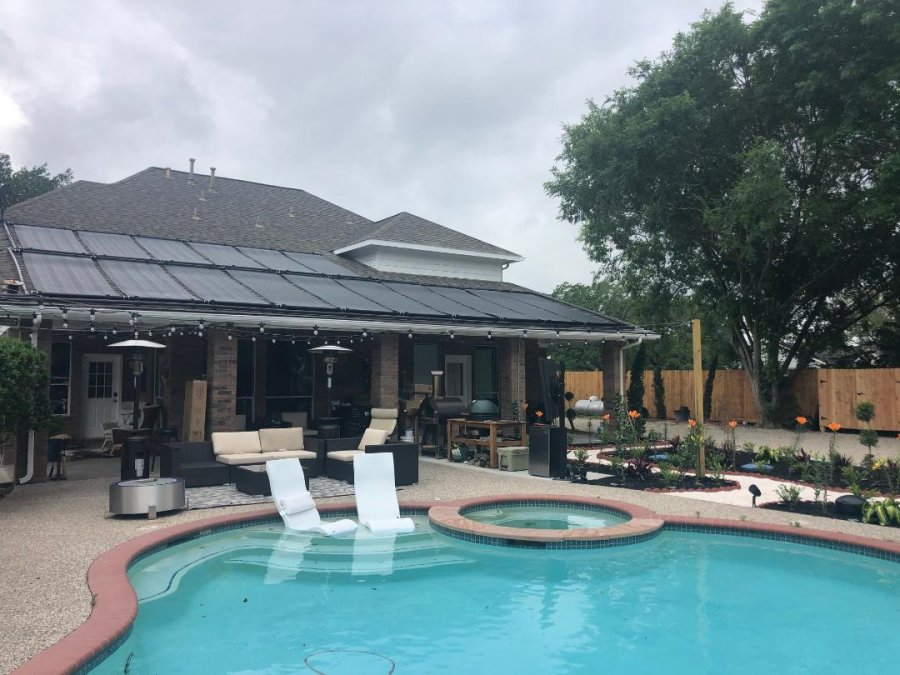
At Solar Pool Heating Texas, we walk homeowners through this cycle constantly, because understanding it makes every other decision easier. The four steps below are the complete loop.
Step 1: The Pump Pulls Water From the Pool
Your existing pool pump draws water from the pool through the skimmer and main drain. Nothing new is required here. The pump that runs your filtration is the same pump that pushes water through the collectors.
Step 2: Water Passes Through the Filter
Before any water reaches the collectors, it passes through the pool filter. This matters more than most people realize. Clean water flows better and keeps debris out of the narrow channels inside the collector panels.
Step 3: The Diverted Flow Reaches the Collectors
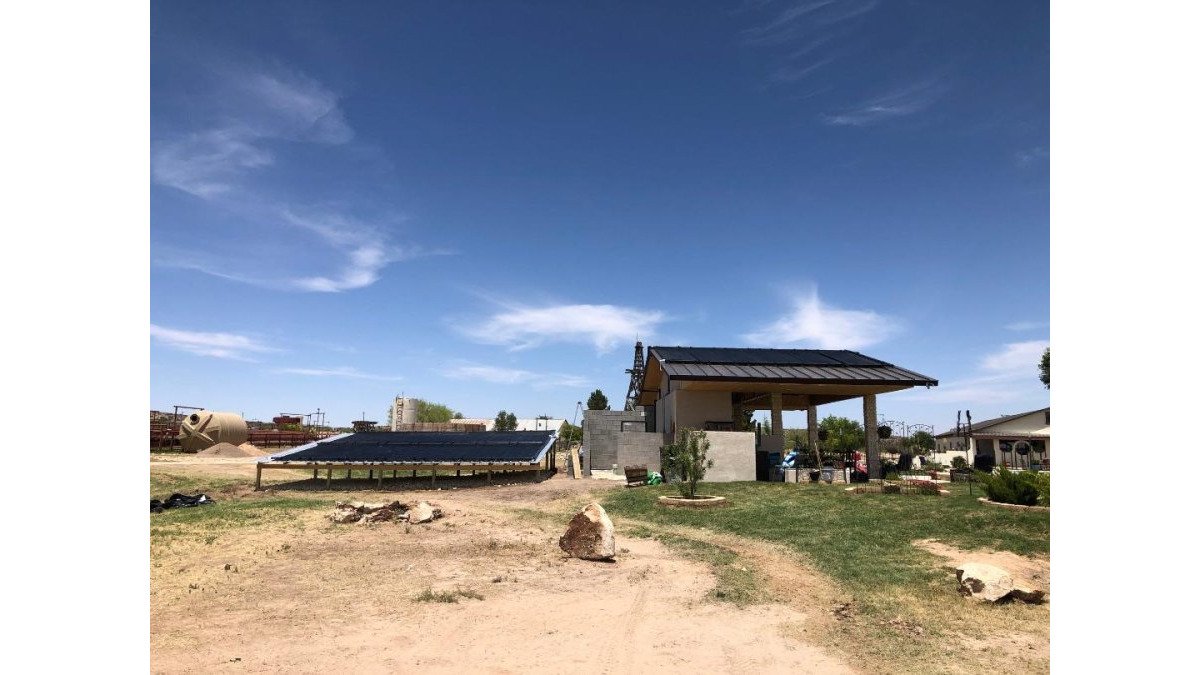
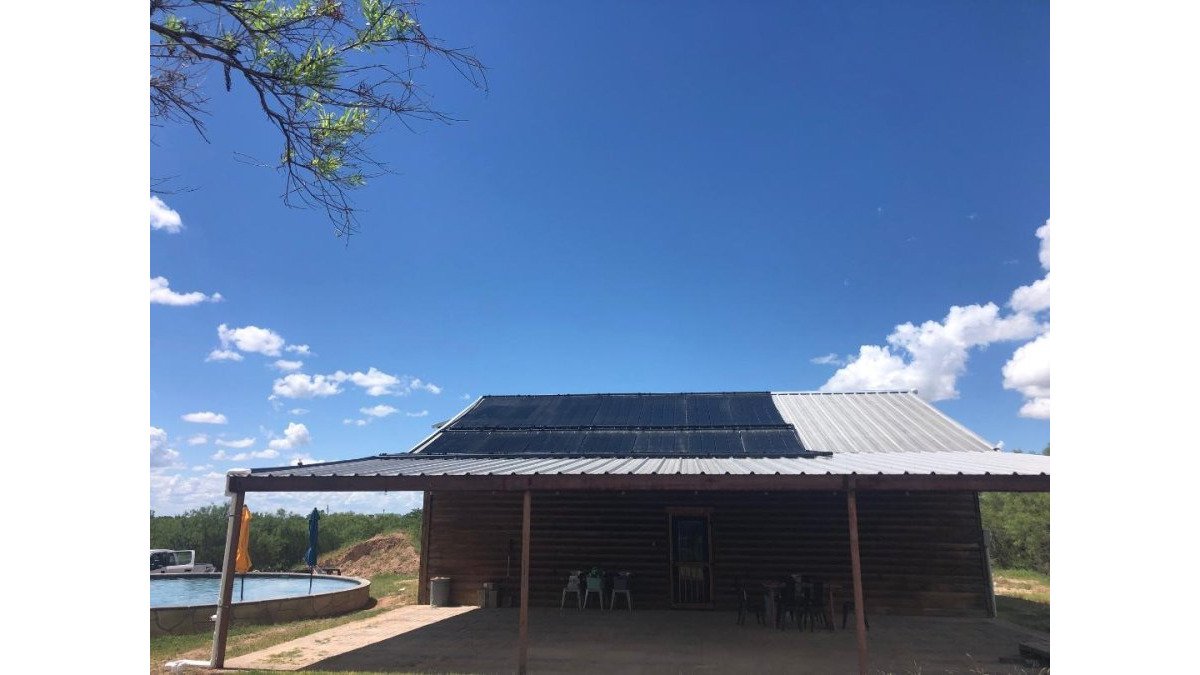
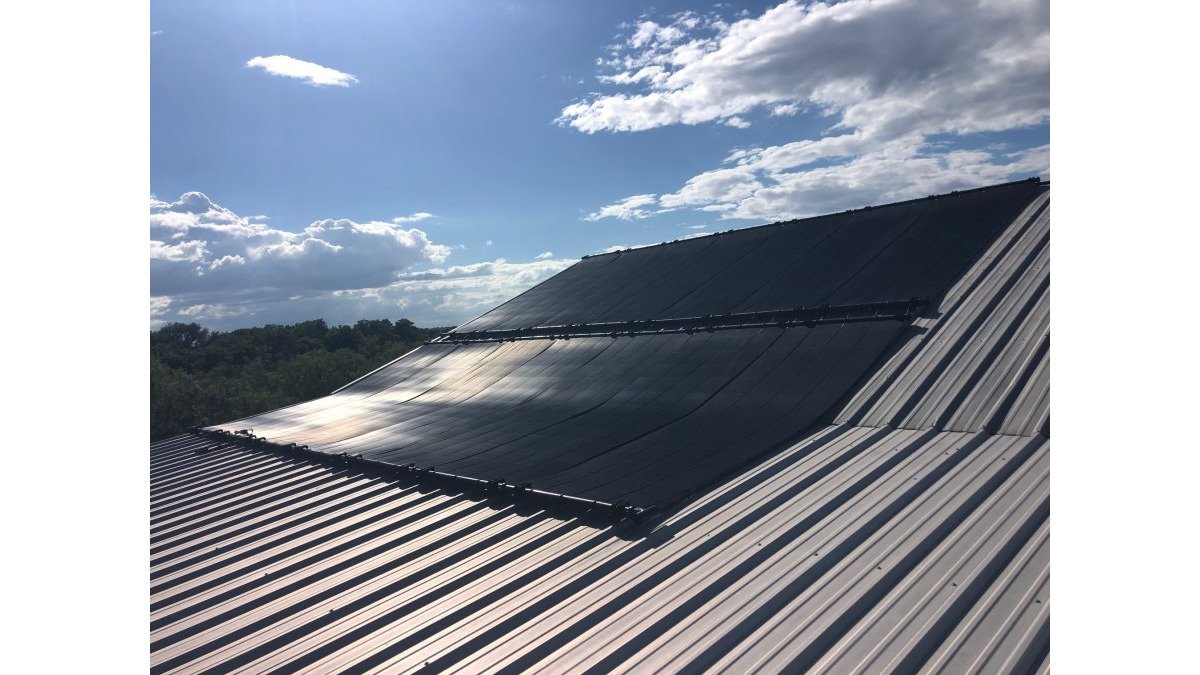
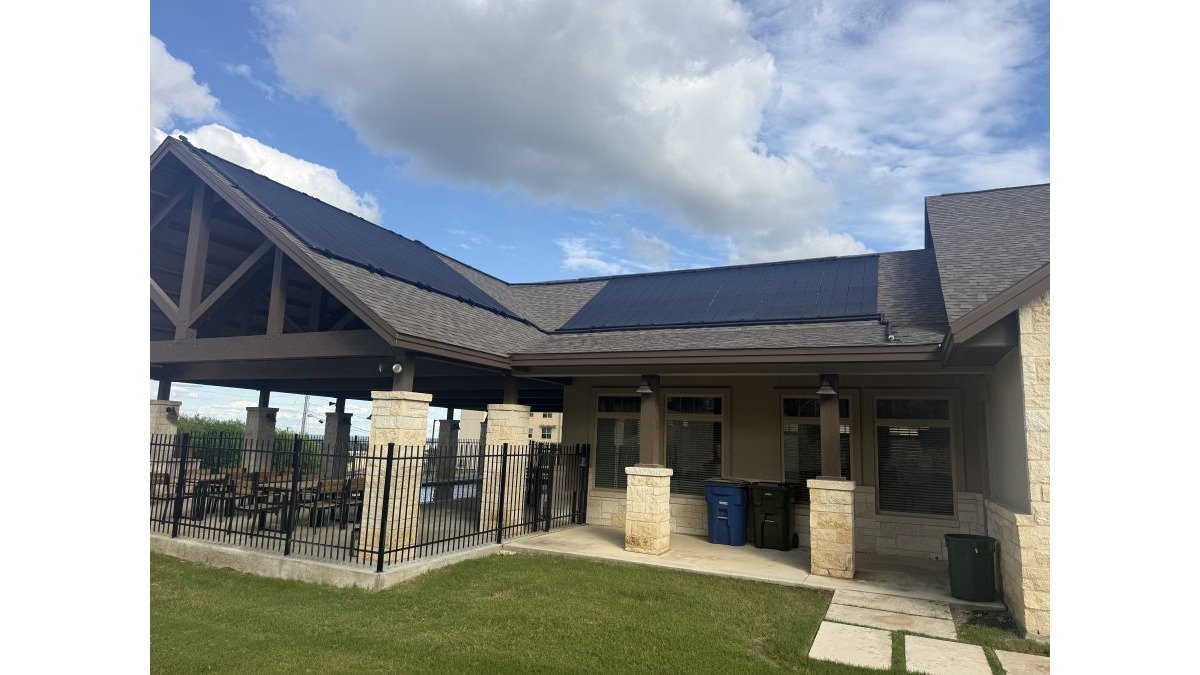
A diverter valve sends the filtered water up to the collectors, usually mounted on a roof or a ground rack. There, sunlight heats the water as it moves through the panels. For a deeper look at how this plays out in our climate, see how solar pool heating works in Texas.
Step 4: Warmed Water Returns to the Pool
The warmed water travels back down the return line and re-enters the pool. The cycle repeats for as long as the pump runs and the sun is up.
Here is the complete loop, from pump to pool and back again.
| Step | What happens |
|---|---|
| 1 | Existing pump draws water from skimmer and main drain |
| 2 | Water passes through the pool filter before collectors |
| 3 | Diverter valve sends filtered water up to collectors |
| 4 | Warmed water returns to the pool via return line |
Solar Pool Heater Components and What Each One Does
Every solar pool heater has the same core parts, and each one has a single job. Here is what matters most:
- Collectors: Panels or mats that absorb heat from direct sunlight.
- Pump: Moves water through the entire loop.
- Filter: Removes debris before water enters the collectors.
The collector is the heart of the system. Everything else exists to move water to it and back efficiently. If you want the broader case for why this setup makes sense, our guide to the benefits of solar pool heating covers it.
How Long Does Solar Pool Heating Take to Warm Your Water?
Solar pool heaters raise pool temperature gradually, adding heat a few degrees at a time as long as the sun keeps contributing. There is no instant jump.
Several factors set the pace:
- Collector area relative to pool size
- Sun exposure on the collector surface
- Ambient temperature and overnight lows
A pool with generous collector area, full sun, and a cover generally warms faster, while a shaded collector array on an uncovered pool will take longer.
Getting the Solar Pool Heating System Flow Rate Right
Flow rate is the most overlooked setting in the whole system.
The goal is a balance: enough flow to turn the pool volume over regularly, slow enough that each pass gains real warmth.
A common mistake is running the pump at full speed out of habit. In practice, many systems heat better at a moderate, steady flow.
Controls, Sensors, and Automatic Flow Diversion
A solar pool heater only works when water is sent to the collectors at the right moment. That decision is the job of the controller, and it is the part of the system most homeowners understand least. Here is what is actually happening at the equipment pad.
The Two Sensors That Drive Every Decision
A typical controller reads two temperatures continuously:
- Collector sensor, a probe mounted on or inside the collector array, reporting how hot the panels are right now.
- Pool water sensor, a probe in the return line or at the pool, reporting the water temperature entering the system.
The controller compares the two. When the collector sensor reads warmer than the pool water by a set margin, commonly a few degrees, the controller energizes the diverter valve and routes water up to the panels. When the margin disappears, it returns the valve to bypass. That margin is often called the setpoint differential, and it is adjustable on most controllers.
What Happens When the Collectors Are Cooler Than the Pool
This is the scenario that separates a well-run system from a manual one. On a cloudy morning, after dark, or during a cold snap, the panels can sit well below pool temperature.
A manual system relies on the owner to make that call. An automatic controller makes it dozens of times a day without anyone thinking about it.
Valve Types and How Diversion Actually Works
Most residential systems use one of two arrangements:
- A single three-way diverter valve that swings between full bypass and full collector flow.
- A pair of valves or a motorized valve that modulates flow so the system can run partially diverted when conditions are marginal.
Automatic systems use a motorized actuator wired to the controller. Manual systems use a hand-turned valve, which works fine but depends on the owner remembering to switch it morning and evening.
Sensor Placement and Common Control Problems
Sensor placement matters more than most people expect. A collector sensor shaded by a nearby roof line, or a pool sensor sitting in a warm equipment enclosure, will feed the controller bad data and cause it to divert at the wrong times. A common pattern is a system that runs the collectors all night because the collector sensor is reading residual heat from the roof, or one that never diverts because the pool sensor is reading artificially warm water.
Setting a Target Temperature
Once the sensors and valve are working together, the owner sets a target pool temperature and the controller manages the rest, diverting when the collectors can help, bypassing when they cannot. That is why solar heating needs so little attention: the decision-making is automatic, and the only routine task is keeping debris off the panels and the filter clean.
Realistic Performance by Climate, Season, and Weather
Solar pool heating performance is not a single number. It is the result of how much collector area you have, how much sun hits it, how much heat the pool loses overnight, and how long the pump runs. Understanding those variables is what turns a vague promise into a realistic expectation.
The Sizing Framework That Drives Performance
The single biggest factor in how fast a pool warms is collector area relative to pool surface area. A pool with collectors sized at the low end will still heat, but more slowly and with less ability to hold temperature through cool nights.
Other sizing inputs practitioners weigh:
- Sun exposure on the collector surface, full sun all day versus partial shade changes output substantially.
- Local climate, average air temperature and overnight lows set how much heat the pool loses.
- Wind exposure, a windy, exposed pool loses heat faster and needs more collector area to compensate.
What Sunlight, Wind, and Nighttime Loss Actually Do
Direct sunlight is the fuel. A collector array in full sun on a clear day absorbs far more heat than the same array under haze or partial cloud.
Wind is the quiet performance killer. A breezy, uncovered pool loses heat from its surface all day and all night, and no collector array can outrun that loss indefinitely.
Season-by-Season Expectations
Performance is strongest in summer and the shoulder months, which is exactly when most homeowners want to swim. In summer, a well-sized system in full sun can hold a comfortable temperature with modest pump run time. For practical guidance on extending your swimming season, see Extend Swimming Season in Texas: A Practical Guide.
Why This Matters for Choosing a System
A homeowner who understands these variables can ask better questions at the design stage, how much collector area is being proposed, where it will be mounted, and how the pool will be covered. That conversation matters far more than any single temperature claim, because it determines what the system can realistically deliver through the season.
Solar Pool Heater Troubleshooting: Why the Water Stays Cold
When a solar pool heater underperforms, the cause is usually simple. Water that stays cold points to one of a handful of issues:
- The controller is bypassing the collectors because sensor readings say heating is not worthwhile.
- Air in the system from a leak or a loose connection.
- A clogged filter restricting flow to the collectors.
- Debris or shade covering the collector surface.
- A failing diverter valve stuck in bypass mode.
Start with the controller display and the filter, since those two account for a large share of complaints. If the water still stays cold after those checks, our walkthrough of common solar pool heating maintenance issues covers the fixes in more detail. And when something needs a professional eye, we are available around the clock for emergency repairs.
Book a Free Solar Pool Heating Consultation
Solar pool heating is an efficient way to heat a pool.
Solar Pool Heating Texas installs and services residential and commercial systems across the state, backed by our partnership with SolarTEK and a 100% satisfaction guarantee.
Get started with Solar Pool Heating Texas and enjoy a warmer pool without the utility bill. If you are ready to move forward, here is how to get a solar pool heating quote, step by step.
Frequently Asked Questions
What are the main parts of a solar pool heating system?
Four parts do the work: the collector panels or mats, the existing pool pump, a flow diverter valve, and a controller with temperature sensors. Water leaves the pool, runs through the filter, gets pushed up to the collectors, absorbs heat from sunlight, and returns to the pool. Most systems reuse the pump and filter you already own, so the collectors and controls are the only real additions.
How long does it take for solar pool heating to warm the water?
It depends on collector area, pool size, and sun exposure. A properly sized system on a sunny day gradually adds heat over a full day of circulation, and a pool cover helps the pool hold that gain overnight. The biggest gains generally come in spring and fall, when many owners want to extend the swimming season.
Why isn't my solar pool heater heating the water?
Start with the simple checks. Confirm the controller is calling for heat and the diverter valve is actually sending water to the collectors. Look for air in the system, a clogged filter, or a pump running at the wrong speed. Shade, cloud cover, and a dirty collector surface all cut heat absorption. If the panels feel cool while the pump runs, water may be bypassing them entirely.
Does a solar pool heater work on cloudy days?
It still collects diffuse sunlight, just at a reduced rate. On overcast days the temperature rise is smaller, and on rainy days it may be close to zero. That is why sizing matters: a system built for your pool and climate keeps producing useful heat across more of the season, and a pool cover limits overnight heat loss so cloudy-day gains are not lost by morning.
Does a solar pool heater need its own pump?
Usually not. Most systems tie into the pool's existing circulation pump, which already moves water through the filter. The installer adds a diverter valve and controller so the pump's output can be routed through the collectors when heating is needed. If your current pump is undersized for the added pipe run, a booster or a higher-flow pump may be recommended.