 listicle
Are Solar Pool Heaters Worth It for Your Pool?
Last Updated: October 29, 2026
Quick Summary
Solar pool heaters are worth it for most pool owners because they use free thermal energy from the sun, carry no fuel bill, and need almost no maintenance once installed. A properly sized array can extend comfortable swimming by up to nine months, though heating is gradual and depends on sunlight and collector area.
- Above-ground owners should choose mat-style or direct-flow collectors; inground pools suit modular panels sized to the roof.
- Match collector surface area to pool gallons before buying, since undersized collectors disappoint on large pools.
- Panels tilted toward the sun at roughly your latitude angle collect more heat in spring and fall.
- A solar cover is the single biggest lever on holding temperature into the shoulder months.
- Drain the collectors before a hard freeze, because trapped water can crack headers and manifolds.
Table of Contents
- How We Evaluated These Solar Pool Heater Reviews
- Top Solar Pool Heater Picks and What Each One Does Best
- Solar Pool Heating vs Gas: Which Heater Fits Your Pool?
- Extending Swimming Season With Solar: What to Expect Month by Month
- Integration With Existing Pool Pumps and Filtration Systems
- Durability, Maintenance, and Winterization
- Get a Free Consultation for Your Solar Pool Heater
- Frequently Asked Questions
How We Evaluated These Solar Pool Heater Reviews
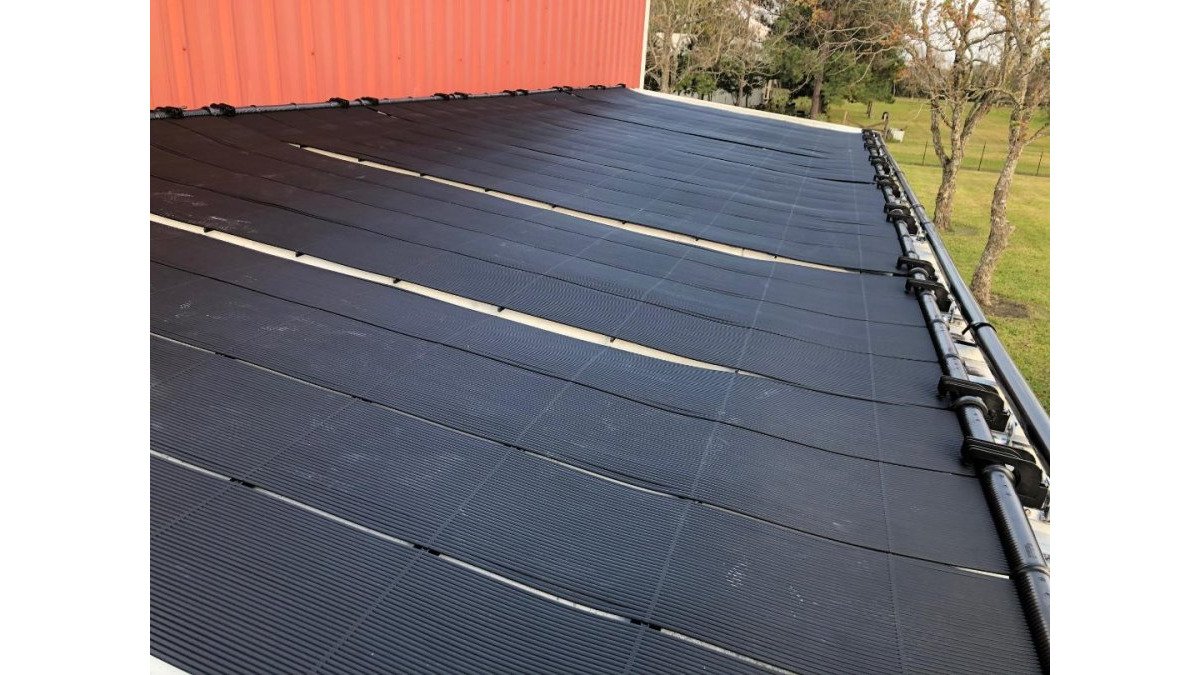
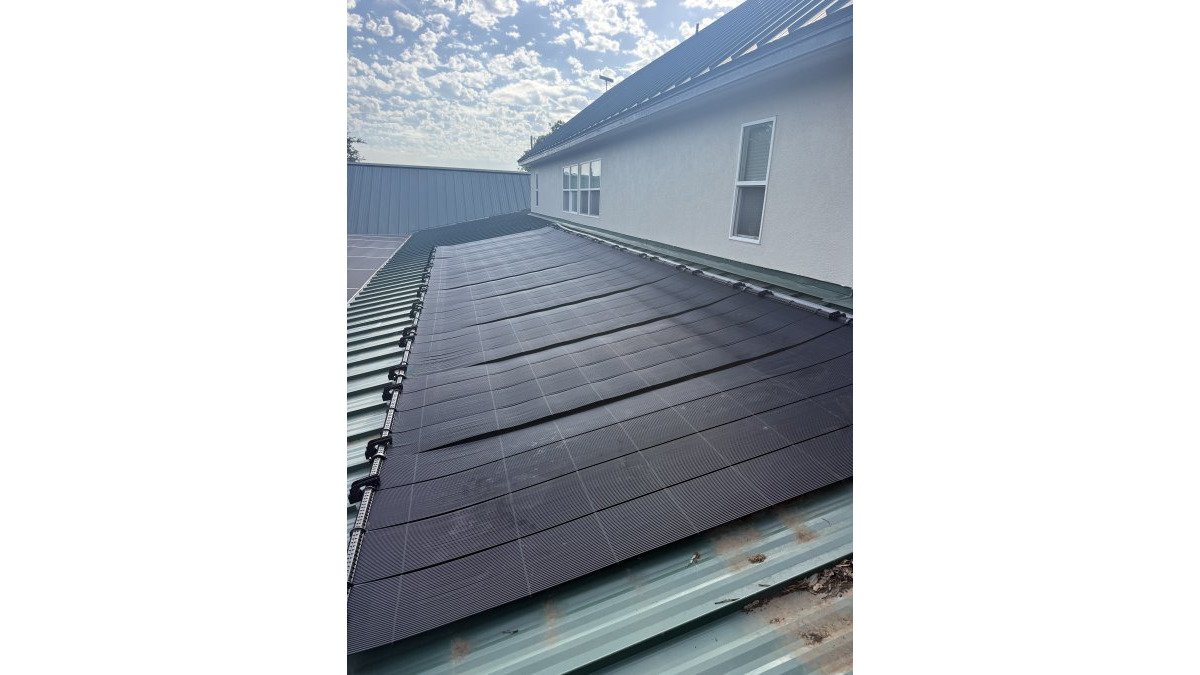
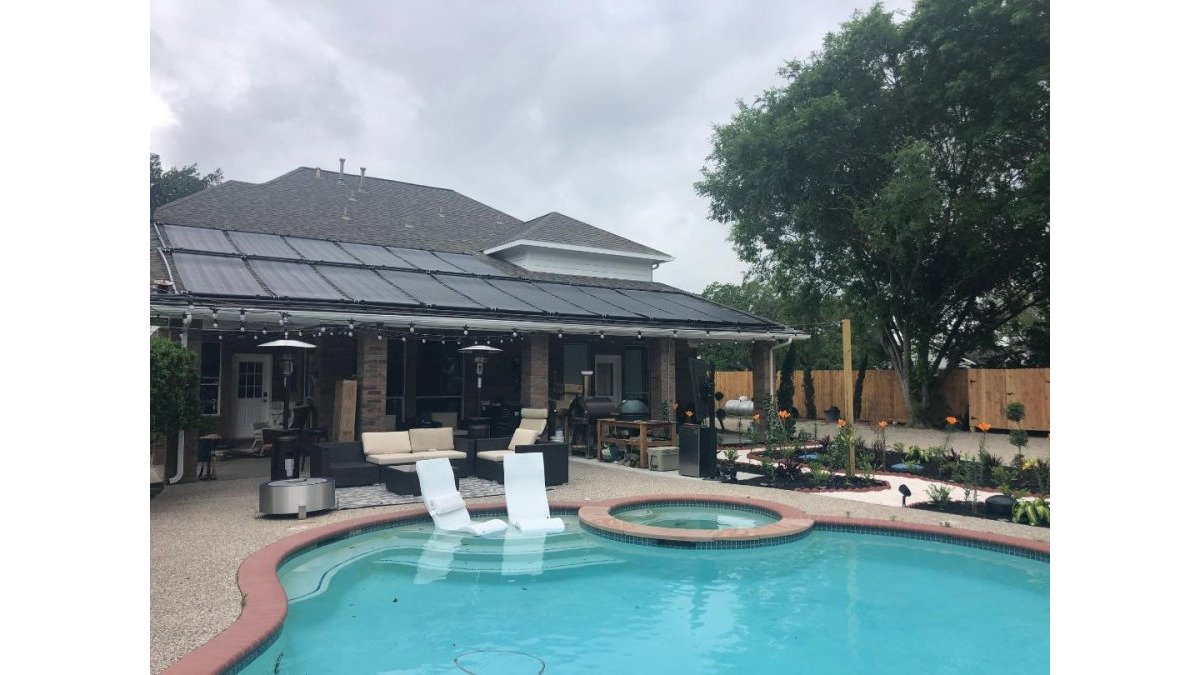
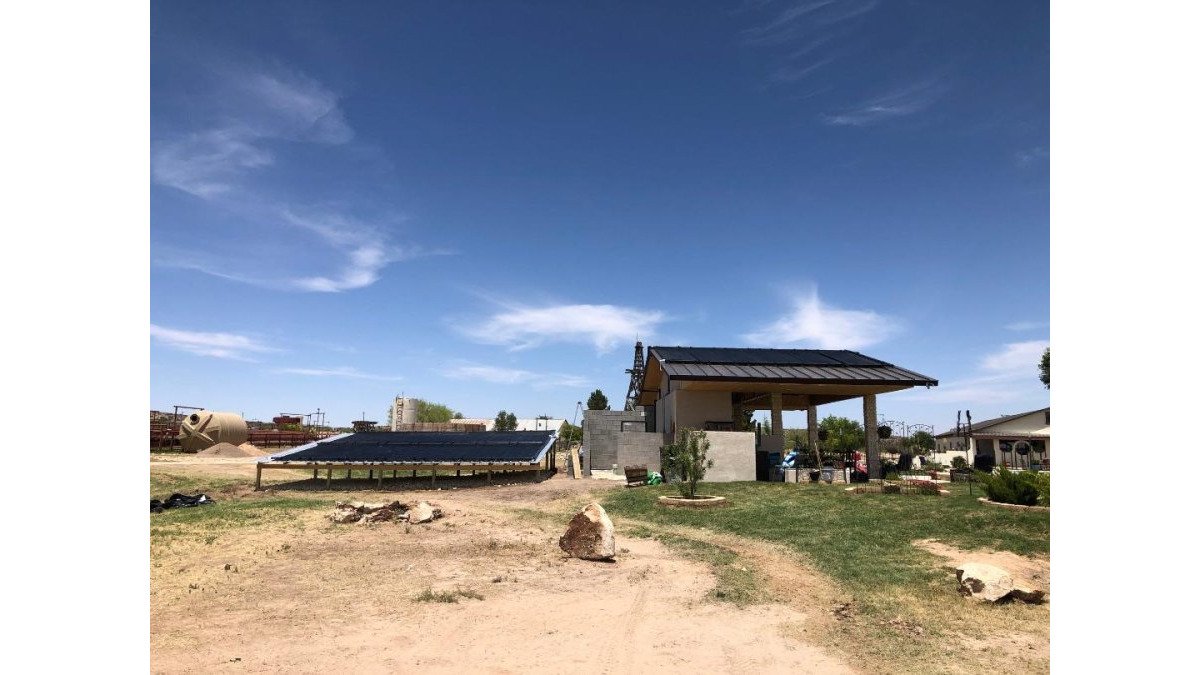
Solar pool heaters are systems that use collector panels to absorb thermal energy from the sun and transfer that heat into your pool water as it circulates through the panels. This guide from Solar Pool Heating Texas covers what actually separates a good system from a bad one, and which picks fit which pools.
Every system below gets judged on the same scorecard:
- Heat output relative to pool volume (collector surface area vs. gallons)
- Material durability, including UV degradation resistance
- Plumbing integration and compatibility with standard filtration systems
If you want the deeper worth-it analysis behind these criteria, our breakdown of whether solar pool heaters are worth it walks through the full case.
Top Solar Pool Heater Picks and What Each One Does Best
The best solar pool heater depends on your pool type and how hands-on you want to be.
| System | Pool Type | Standout Strength | Watch Out For |
|---|---|---|---|
| Solar Pool Heating Texas | Inground & above-ground | Full design, install, and repair | Professional service area |
| Smart Pool S601 | Above-ground | Proven direct-flow design | Needs roof or rack space |
| SolarPoolSupply Kit | Inground | Modular, expandable panels | Requires plumbing know-how |
| Heliocol | Inground | Individual tube wind resistance | Professional install advised |
| Suntrek | Inground | Custom layout design | Pricier than DIY kits |
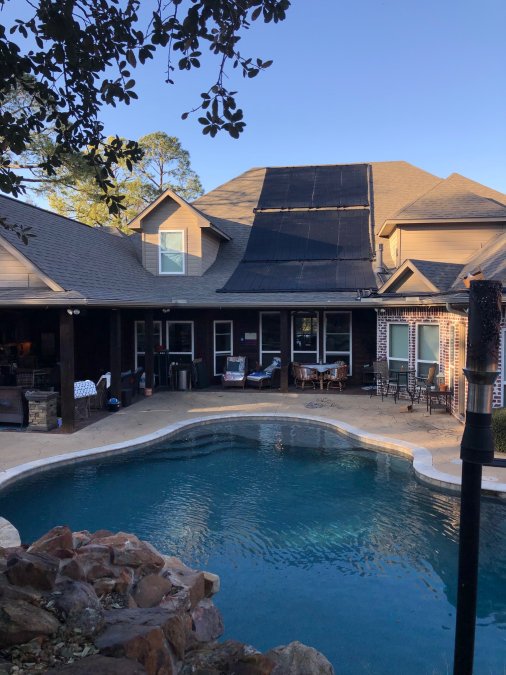
Solar Pool Heating Texas handles residential and commercial solar pool heating installation and repair across Texas through its SolarTEK partnership, backs the work with a 100% satisfaction guarantee, and stays available 24/7 for emergency repairs.
Budget and DIY Picks for Above-Ground Pools
Above-ground owners have the simplest path. The Smart Pool S601 Sun Heater uses a polypropylene heat collector and a direct-flow design that works with most existing pump setups, and it can lift water temperatures noticeably during the season. The Intex Solar Mat is the lightest option, folding away for storage and hooking straight into a standard filter pump, which suits small portable pools.
Professional-Grade Panels for Inground Pools
For inground pools, panel quality and mounting matter more. Heliocol uses a patented individual-tube design for wind resistance and over-molded headers to prevent leaks, which is why it holds up over long service lives. Suntrek custom-designs layouts to maximize solar exposure and builds for harsh climates. Zodiac engineers its panels for high flow rates and UV-stabilized performance. SolarPoolSupply sells a modular kit that expands with your pool and resists UV degradation well. If you're weighing the cost factors behind these systems first, our solar pool heating cost guide breaks down what drives the numbers.
Solar Pool Heating vs Gas: Which Heater Fits Your Pool?
Solar pool heating uses free thermal energy from the sun, has no fuel bill, and needs almost no maintenance once installed. The trade-off is that solar depends on sunlight and collector area, so it heats gradually rather than instantly.
For most Texas pools, that trade-off favors solar. The swim season is long, sunshine is abundant, and a properly sized array can extend comfortable swimming well into the cooler months.
Extending Swimming Season With Solar: What to Expect Month by Month
A well-designed solar system can stretch your swim season by up to nine months, but the water temperature you actually feel depends on three variables: collector surface area relative to pool volume, the angle and azimuth of the panels, and how much heat you lose overnight. Understanding those mechanics is what separates a realistic expectation from a sales pitch.
A pool at the low end of that range will warm slowly and hold temperature only in strong sun; a pool at the high end will recover quickly after a cool night and stay comfortable into the shoulder months.
Here is the realistic pattern across a long swim season:
- Early spring: Panels begin producing useful heat as soon as daytime air temperatures stay above the mid-60s and the sun is out for most of the day. Expect gradual gains of a few degrees over the first weeks, not a sudden jump. A solar cover at night is what makes these gains stick.
- Late spring: This is when a properly sized array hits its stride. With longer days and warmer nights, the system can hold a target temperature consistently and recover from a cool front within a day or two.
- Peak summer: The system often runs less because the pool is already at or above the desired temperature. Many owners use the diverter valve to bypass the panels during the hottest weeks and rely on a cover to manage evaporative losses.
How Climate Zone Changes the Curve
The month-by-month pattern above is a Sunbelt baseline. In hotter, sunnier climates with long swim seasons, the shoulder months behave more like early summer, the system recovers fast and the season stretches further in both directions. In cooler climates with shorter summers and colder nights, the same system will produce a narrower comfortable window unless the collector area is sized at the high end of the range and a cover is used consistently.
For a fuller month-by-month plan, our guide to extending your swimming season in Texas covers what to expect in detail.
Integration With Existing Pool Pumps and Filtration Systems
Solar panels connect into your existing circulation loop, so the pool pump moves water through the collectors and back to the return line.
This is where professional design pays off. Panel count, pipe diameter, and valve placement all affect how much heat actually reaches the water. A system that is plumbed well heats evenly; one that isn't runs hot panels with lukewarm water returning to the pool.
Durability, Maintenance, and Winterization
Solar pool heaters are low-maintenance by design, no burners, no fuel lines, no compressors, and no moving parts beyond the diverter valve and the pool pump you already run. Solar pool heating is an efficient way to heat a pool and needs almost no ongoing upkeep. But "low-maintenance" is not the same as "maintenance-free," and the panels that last decades are the ones that get a few minutes of attention each season.
What Actually Wears Out
The failure points are almost always at the connections, not the panel body:
- Header and manifold leaks, the over-molded or clamped joints where water enters and exits the panel are the most common leak source. Inspect them each spring for weeping or mineral staining.
- UV degradation of exposed plastic, headers, end caps, and mounting hardware degrade faster than the absorber surface. Keeping panels out of standing water and off abrasive roof surfaces extends their life.
- Debris and shading, leaves, pollen, and bird droppings block absorption and create hot spots. A quick rinse and a check for overhanging branches does more for output than any additive.
The Seasonal Maintenance Routine
A realistic upkeep calendar looks like this:
- Spring startup: Rinse panels, inspect headers and clamps, confirm the diverter valve cycles freely, and check that flow through the collectors matches the pump's output.
- Mid-season: Skim debris off the panels, confirm the system is reaching target temperature on clear days, and watch for any drop in heat output that suggests a partial blockage or a small leak.
- Fall: Clean the panels before the season winds down, and decide whether the system will run through the shoulder months or be bypassed.
- Freeze season: Drain the collectors whenever a hard freeze is forecast. Trapped water expanding in the headers is the one failure mode that can crack a panel outright, and it is entirely preventable.
Winterization in Colder Climates
In climates with freezing winters, winterization is a short, deliberate procedure rather than an afterthought. The goal is to remove water from the collectors and the exposed plumbing so expansion cannot damage them:
- Bypass the solar loop at the diverter valve so pool water no longer flows through the panels.
- Drain the collectors and the supply and return lines, opening any drain fittings the installer provided.
- If the panels are removable, store them flat and out of standing water; if they are roof-mounted, confirm they drain fully and are not holding water in low spots.
- Cover or cap exposed connections to keep debris and moisture out during the off-season.
In milder climates where the system runs year-round, the routine is lighter, a freeze forecast still means draining, but the panels stay in service the rest of the time. Either way, the pattern is the same: a few minutes of prevention each season is what keeps a solar array producing heat for its full service life.
For repair questions and a deeper upkeep routine, see our solar pool heater maintenance and repair guide.
Get a Free Consultation for Your Solar Pool Heater
Choosing the right system comes down to pool size, roof space, sun exposure, and how much of the year you want to swim. Solar Pool Heating Texas provides residential and commercial solar pool heating installation and repair across Texas, is available 24/7 for emergency repairs, and offers a 100% satisfaction guarantee. If you're ready to move forward, our step-by-step guide on how to get a solar pool heating quote shows exactly what to have ready.
Frequently Asked Questions
Will a solar cover heat a pool?
A solar cover slows heat loss overnight and can raise water temperature a few degrees, but it does not replace a solar pool heater. Collector panels transfer thermal energy into the water as the pool pump pushes it through, so the two work best together: panels add heat during the day, and the cover keeps it in after sunset.
How does a solar pool heater extend the swimming season?
Solar collectors absorb heat from the sun and transfer it to water flowing through the panels, then return the warmed water to the pool. Because the system keeps working whenever there is sunlight, it can stretch comfortable swimming well into spring and fall.
What should homeowners look for when reading solar pool heater reviews?
Focus on system sizing, panel material, and how the unit connects to your existing pool pump and filtration system. Reviews that mention flow rate, BTU output, and climate suitability are more useful than star ratings alone. Also check whether the reviewer has an inground or above-ground pool, since performance and installation differ between the two.
Are solar pool heaters effective for both inground and above-ground pools?
Yes, but the equipment differs. Above-ground pools usually suit lightweight mats or small panel kits, while inground pools benefit from professional-grade polypropylene collector panels sized to the pool volume. A professional assessment confirms the right panel count, mounting location, and plumbing integration for your setup.
What are the main benefits of solar pool heating vs gas?
Solar pool heating uses free sunlight, so operating costs are minimal and there is no fuel bill each month. Gas heaters warm water faster but cost more to run and produce emissions. Solar systems are low-maintenance and are an efficient way to heat a pool.
The smartest way to heat a pool is the one that uses free sunlight, needs no maintenance, and pays for itself quickly. Solar Pool Heating Texas can size a system to your pool, integrate it with your existing pump and filtration, and keep it running for years. Get started with Solar Pool Heating Texas and extend your swimming season by up to nine months while cutting your energy costs.