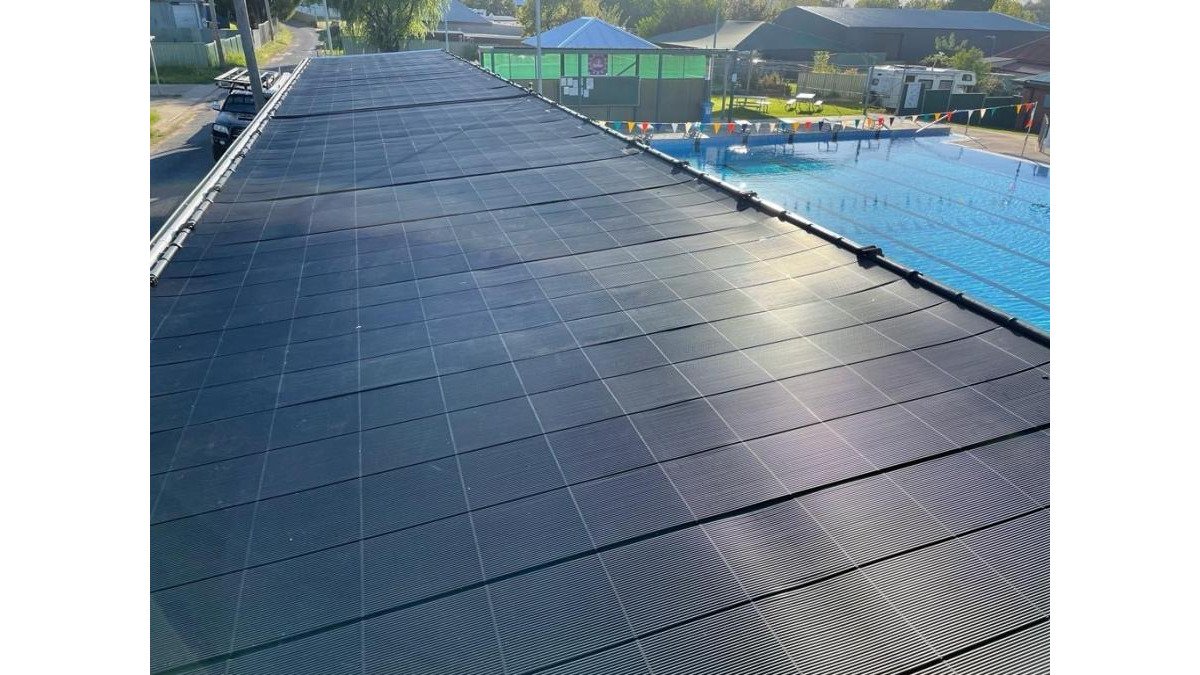
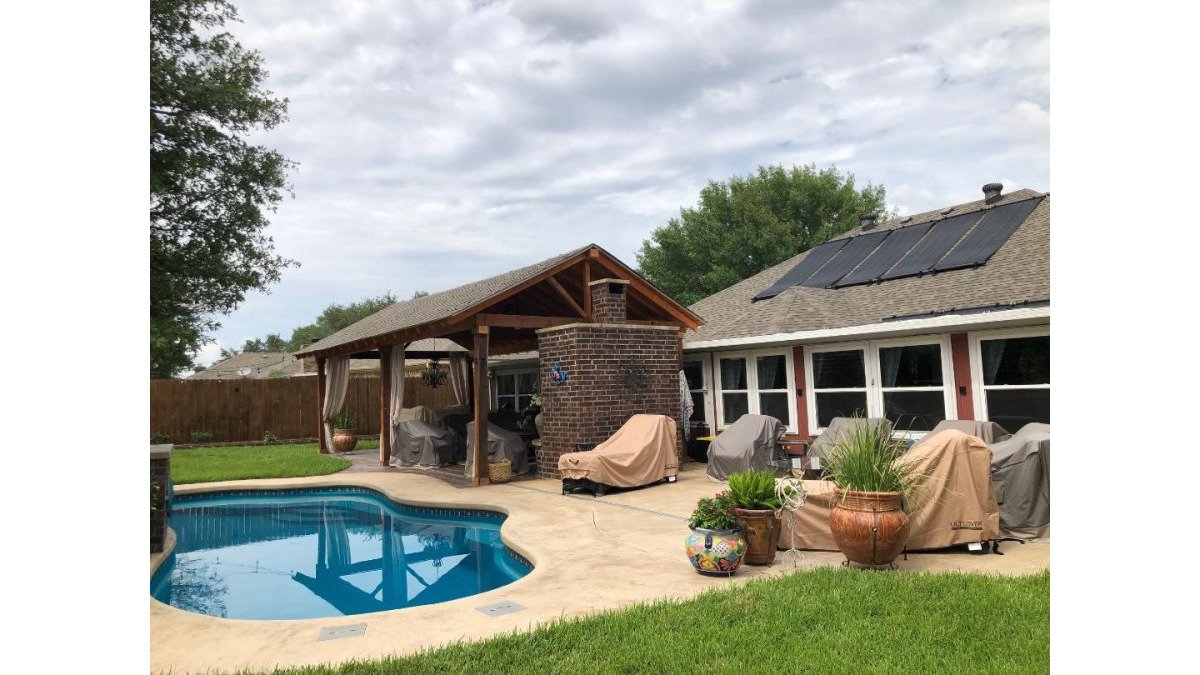
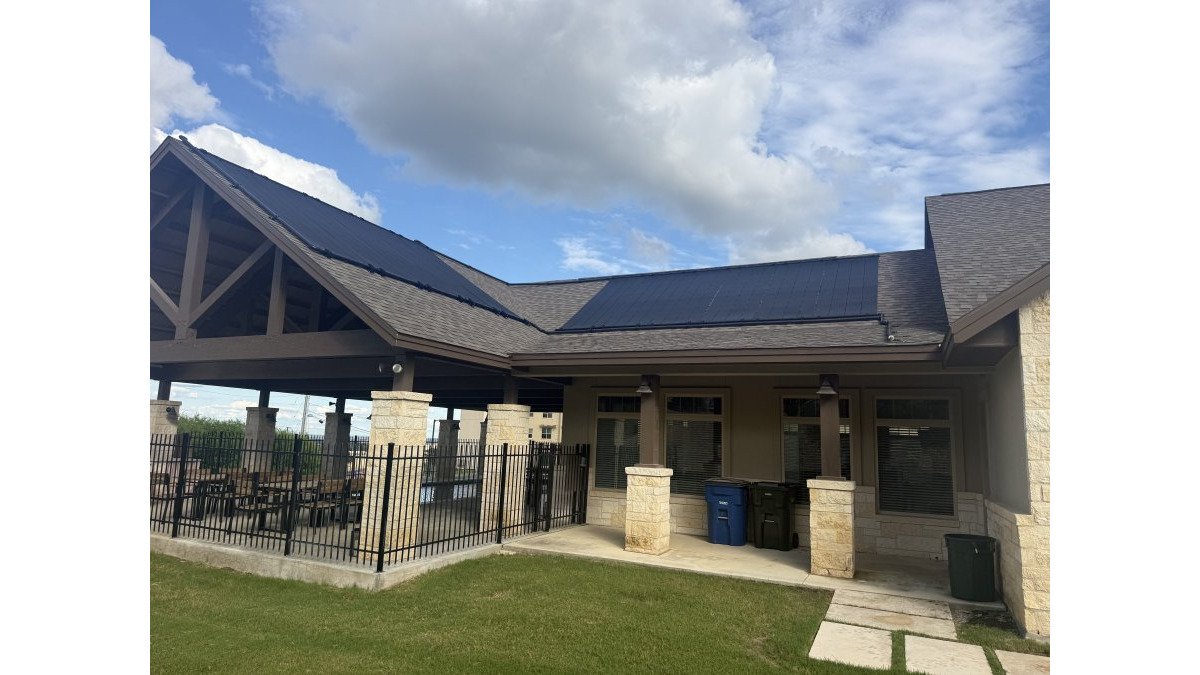
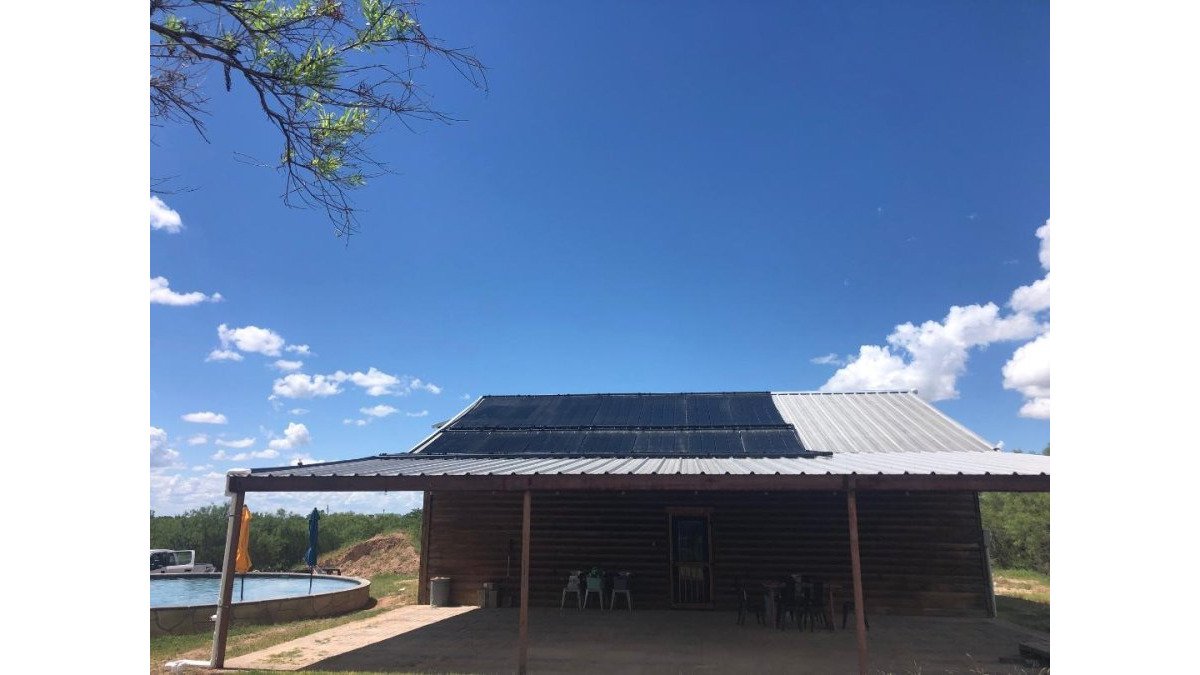
 comparison
How to Plan Commercial Solar Pool Heater Installation Cost
Last Updated: October 30, 2026
Quick Summary
Commercial solar pool heater installation cost is the total investment to design, supply, and install a solar thermal system sized for a commercial pool. The collector array is often the largest single component, while plumbing and mounting work is where scope can grow. Ask for the project broken into line items so you can compare bids on the same basis.
- Commercial system design starts with the facility's schedule, not a residential rule of thumb.
- Sizing matches collector square footage to pool surface area, water volume, and target temperature increase.
- Solar operating cost is limited to the electricity that moves water through the collectors.
- Ask every bidder to state collector area, sizing method, and assumed swim season.
- A bid that omits a booster pump or undersizes the array shows up later as performance shortfalls.
Table of Contents
- What Drives Commercial Solar Pool Heater Installation Cost
- Solar Pool Heater Sizing for Commercial Pools
- Solar vs Gas Pool Heater: Which Fits a Commercial Property
- Solar Pool Heating Operating Costs and Payback
- Solar Pool Heater Maintenance and Long-Term Value
- How to Compare Commercial Solar Pool Heating Quotes
- Get a Free Commercial Solar Pool Heating Consultation
- Frequently Asked Questions
What Drives Commercial Solar Pool Heater Installation Cost
Commercial solar pool heater installation cost is the total investment a property owner makes to design, supply, and install a solar thermal system sized for a commercial pool.
The collector array is often the largest single component, but plumbing and mounting work is where scope can grow. For a walkthrough of the full commercial installation, see the commercial solar pool heating system installation guide.
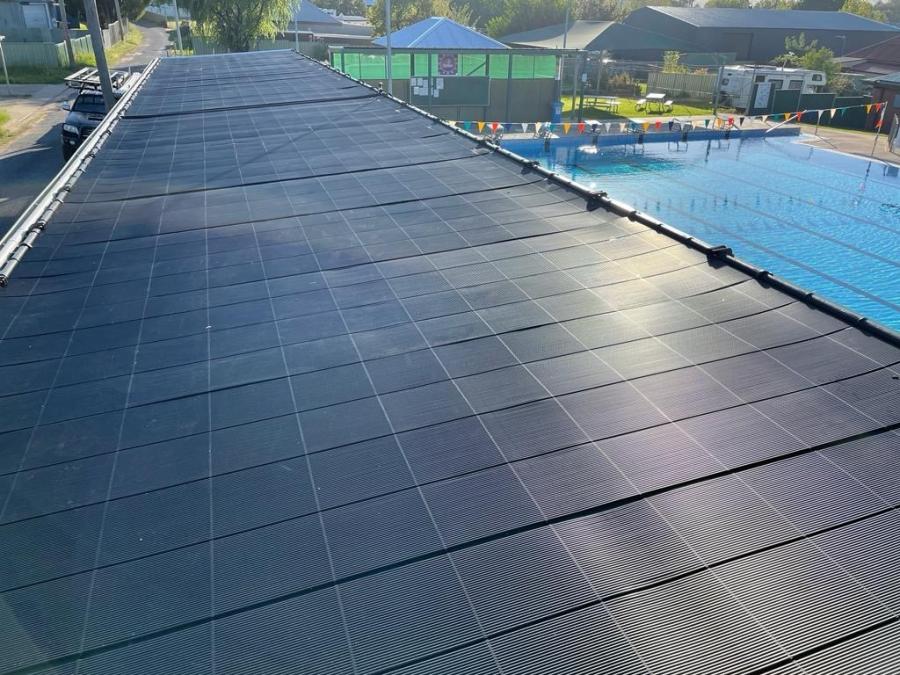
Commercial Scale Changes the Design
A commercial pool is not a big backyard pool. Water volume, exposed surface, bather load, and operating hours all scale up, and so does the heat the water loses overnight and between events. That is why commercial system design starts with the facility's schedule, not a residential rule of thumb:
- Pool surface area and volume set the baseline heat loss the array must offset.
- Target temperature and swim season decide how much capacity you need in the coldest month you plan to operate.
- Bather load and evening events add recovery demand that a lightly used pool never sees.
- Operating hours determine how long the circulation pump can move water through the collectors each day.
A hotel with an evening swim schedule, a school with weekday lessons, and an aquatic center with all-day programming can have similar pool sizes and very different collector requirements. Sizing to the facility's actual use pattern is what keeps the system from running continuously and still underheating.
The Components Behind the Investment
Ask for the project broken into line items so you can see what each part contributes. A commercial quote can cover:
| Component | What It Includes | Why It Matters |
|---|---|---|
| Collectors | Solar thermal panels and their rated output | The largest single component and the core of heating capacity |
| Mounting | Roof or ground structure, hardware, ballast or attachments | Affects labor, roof load, and wind exposure |
| Plumbing | Pipe runs, insulation, valves, and fittings | The most common source of scope growth on commercial sites |
| Equipment | Booster pump, filter interface, and controls | Needed to move water through the array and manage temperature |
| Labor | Mounting, pipe fitting, tie-in, and commissioning | Separating labor from materials makes bids comparable |
| Backup heating | Gas or heat-pump integration, if specified | Covers cold snaps and high-demand periods |
When those lines are separate, you can compare bids on the same basis and see which one is leaving something out. A bid that looks lean often omits a booster pump, undersizes the array, or assumes the existing filter interface can handle the added flow. Those gaps show up later as performance shortfalls, not as savings.
Why Solar Is the Smart Choice at Commercial Scale
The more a facility heats a pool, the more a solar system pays for itself. A property that runs a long season on gas or electric heat is spending on fuel every hour the heater runs; a solar system uses the sun and limits ongoing expense to the electricity that moves water through the collectors. Solar needs no maintenance beyond basic checks, and once installed it keeps producing season after season.
Solar Pool Heater Sizing for Commercial Pools
Solar pool heater sizing matches collector square footage to the pool's surface area, water volume, and desired temperature increase. Undersized systems run continuously and never reach target. Oversized systems waste capacity. The right size sits between the two, tuned to your climate and solar exposure.
Three inputs decide the number:
- Pool surface area in square feet, which drives how much heat the water loses
- Target temperature increase, meaning how much warmer you want the water than ambient
- Solar exposure and seasonal performance, since shading and roof orientation change output
A commercial pool with high bather load and evening events needs more capacity than a lightly used one. We size for the coldest month you plan to swim, not the warmest.
Solar vs Gas Pool Heater: Which Fits a Commercial Property
Solar generally has lower operating costs than gas; gas typically recovers temperature faster.
Electric heat pumps sit in the middle. Readers weighing options can compare them in this guide to solar pool heating alternatives for commercial properties.
The honest trade-off: solar needs roof or ground space and takes longer to raise temperature from cold. Pair it with backup heating for cold snaps and you get the best of both.
Solar Pool Heating Operating Costs and Payback
Solar pool heating operating costs are low because the fuel is free. The system runs on your existing circulation pump, so the ongoing expense is the electricity to move water through the collectors.
Payback comes from the fuel bill you stop paying.
Watch out: a system installed with undersized collectors will run the pump longer and still underheat, which erodes the savings. Correct sizing protects the payback.
Solar Pool Heater Maintenance and Long-Term Value
Solar pool heaters need no maintenance beyond basic checks. There are no burners to service and no fuel lines to inspect. The main tasks are keeping the collectors clean, checking the plumbing for leaks, and confirming the controls and pump are working. For deeper guidance, see the solar pool heater maintenance and repair guide.
Long-term value comes from system lifespan. A well-installed solar system can keep producing season after season with basic care.
If something does need attention, we are available 24/7 for emergency repairs.
How to Compare Commercial Solar Pool Heating Quotes
Comparing commercial solar pool heating quotes means reading past the bottom line to the scope and assumptions behind it. Two bids can look similar and cover very different work. If you are still gathering bids, follow this step-by-step guide to getting a solar pool heating quote.
Use this checklist when you review each bid:
- Collector area and system size stated in square feet, with the sizing method explained
- Assumed swim season and target temperature written down, not implied
- Mounting type named: roof-mounted or ground-mounted, with hardware included
- Plumbing scope itemized, including pipe runs, insulation, and valves
- Pump and controls listed as separate line items
- Labor broken out from equipment
- Backup heating addressed, including how it integrates with the solar controls
- Performance expectations stated in writing, with the assumptions behind them
- Exclusions listed explicitly, what the bid does not cover
- Warranty terms, service response time, and monitoring included
- References from comparable commercial properties
The lowest bid is rarely the best value if it leaves out a booster pump, undersizes the array, or assumes a shorter swim season than you actually run. Before you sign, learn how to choose a pool heating contractor.
Test the Assumptions, Not Just the Line Items
A commercial bid is really a set of assumptions. Two contractors can quote the same pool and arrive at different collector areas because they assumed different swim seasons, different target temperatures, or different bather loads. Before you compare, ask each bidder to state:
- The pool surface area and volume they used
- The target temperature and the coldest month they sized for
- The assumed daily operating hours for the circulation pump
- The solar exposure and orientation they assumed for the mounting location
When those assumptions are on the table, you can see whether a lower bid is genuinely leaner or simply sized for a shorter season. A system sized for a summer-only schedule will underheat if your facility actually swims into the shoulder months.
Read the Exclusions and Service Terms
Exclusions are where commercial bids diverge most. One quote may include the booster pump and controls; another may list them as add-ons. One may include commissioning and a walkthrough for your property team; another may hand over the system and leave. Ask for the exclusions in writing and confirm:
- Whether monitoring and controls setup are included
- Whether the contractor provides a performance walkthrough at handover
- What the warranty covers and how service response time is defined
- Whether emergency repair is available, and on what schedule
A quick way to see how the pieces stack up:
| Quote Component | What to Check | Why It Matters |
|---|---|---|
| Collector area | Square feet vs. pool surface, sizing method stated | Drives heating capacity |
| Assumptions | Swim season, target temperature, operating hours | Determines whether the system meets your schedule |
| Mounting | Roof or ground, hardware included | Affects labor and roof load |
| Plumbing | Pipe runs, insulation, valves | Common source of scope growth |
| Equipment | Pump, controls, filter interface | Needed for full operation |
| Labor | Separated from materials | Makes bids comparable |
| Backup heating | Gas or heat pump integration | Covers cold snaps and high demand |
| Exclusions and service | Written exclusions, warranty, response time | Protects you after handover |
Solar is the smartest, most cost-effective way to heat a pool: it needs no maintenance beyond basic checks, it pays for itself quickly by replacing fuel bills, and more Texas pool owners are choosing it over gas or electric heating.
Get a Free Commercial Solar Pool Heating Consultation
We offer a 100% satisfaction guarantee, professional experts available 24/7, and a partnership with SolarTEK. We specialize in both commercial and residential solar pool heating and have extensive experience in the Texas market.
Solar is the smartest way to heat a pool.
Get started with Solar Pool Heating Texas and get a free consultation on a system sized for your property.
Frequently Asked Questions
What factors affect the cost of a commercial solar pool heating system?
The biggest drivers are pool surface area, collector area needed, whether collectors are roof-mounted or ground-mounted, plumbing distance to the equipment pad, pump and control upgrades, and installation labor. Climate and solar exposure affect how much collector area is required to hit a target water temperature. Because every commercial pool is different, Solar Pool Heating Texas provides a free consultation and a written estimate rather than a one-size figure.
How do you size a solar pool heater for a commercial pool?
Sizing starts with the pool's surface area in square feet and the desired temperature increase. Commercial pools generally need collector area sized as a percentage of the pool surface, adjusted for solar exposure, climate, and whether the pool is indoor or outdoor. A larger pool with high turnover and heavy bather load needs more collector area and a properly matched circulation pump. Solar pool heater sizing should be calculated on site, not guessed from a chart.
How much can solar pool heating reduce a commercial pool's energy use?
Solar pool heating uses the sun to warm pool water, so it can significantly reduce or eliminate the fuel and electricity a gas heater or electric heat pump consumes during the swimming season. Actual savings depend on system size, local solar exposure, pool temperature targets, and how the existing heater is used. Solar Pool Heating Texas can walk through your current energy bills and show how a solar system changes operating costs.
What maintenance does a commercial solar pool heater need?
Commercial solar pool heating systems have few moving parts. Routine care includes checking the circulation pump and filter, inspecting collectors and plumbing for leaks, and keeping the roof or ground-mounted array clear of debris. Because the system is low maintenance, most operators spend far less time on upkeep than with gas or electric heating. Solar Pool Heating Texas is available 24/7 for emergency repairs and backs its work with a 100% satisfaction guarantee.