 how-to
How Solar Pool Heating Works in Texas: 2026 Guide
Table of Contents
- How Solar Pool Heating Works in Texas: The Basic Loop
- Solar Pool Heating System Components and What Each One Does
- Tracing the Water: Circulation From Pool to Collector and Back
- How Long Does a Solar Pool Heater Take to Heat a Pool?
- Solar Pool Heater Operation at Night and Through Changing Weather
- Solar Pool Heating Versus Gas Heating: What Texas Owners Should Know
- Sizing Your System and Getting the Most From Your Roof
- Conclusion: Why Texas Pool Owners Keep Choosing Solar
- Frequently Asked Questions
Last Updated: October 14, 2026
How Solar Pool Heating Works in Texas: The Basic Loop
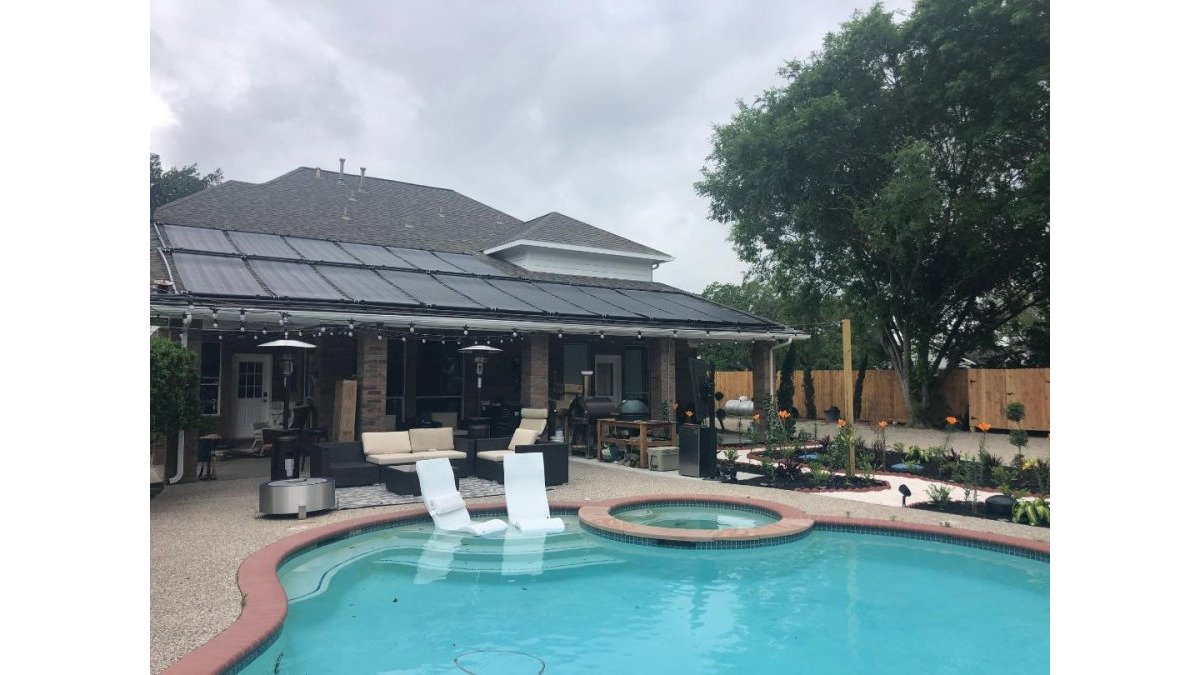
Solar pool heating works by pumping your pool water through collectors on your roof, where sunlight warms it, then sending that heated water back into the pool. That's the whole loop. No flame, no compressor, no separate fuel source.
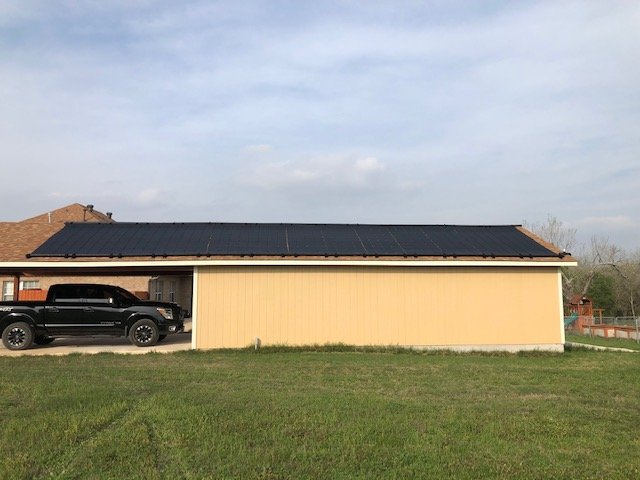
This guide from Solar Pool Heating Texas breaks down how solar pool heating works in Texas, from the collectors to the controller, so you know exactly what happens between your pool and your roof. We've helped pool owners across the state extend their swimming season by up to nine months with this exact setup.
A common mistake is thinking a solar pool heater works like solar panels that make electricity. It doesn't. This is solar thermal energy, and it heats water directly.
Why the Texas Climate Makes This Work So Well
Texas gets more sun than almost any other state, and that matters here. Long, hot summers and mild winters mean your collectors have more usable sunlight hours across the year than a system in a colder climate would ever see.
That longer sun window is why solar heating performs so well here. The U.S. Department of Energy's guide to solar pool heating explains that a solar pool heating system can raise pool temperatures well above what an unheated pool would reach.
Solar Pool Heating System Components and What Each One Does
A solar pool heating system has four core parts: collectors, a pump, a filter, and valves. Add a controller and temperature sensors, and you have automatic operation. Each part has one job, and they only work as a set.
Collectors, Pump, Filter, and Valves
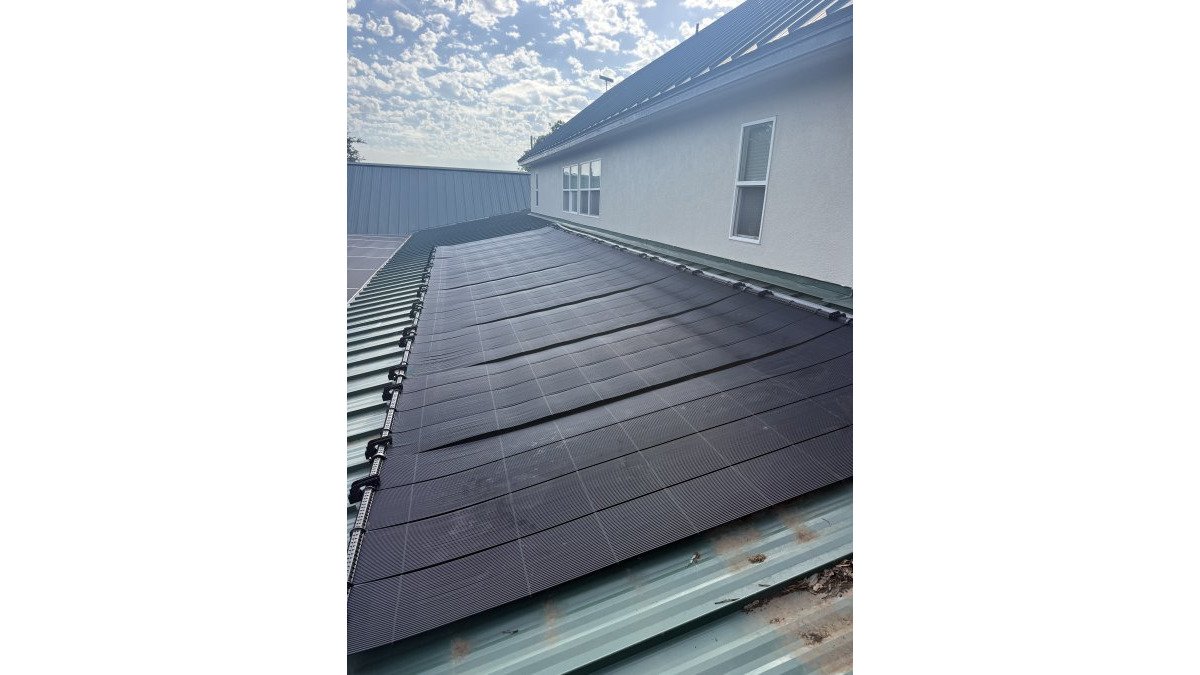
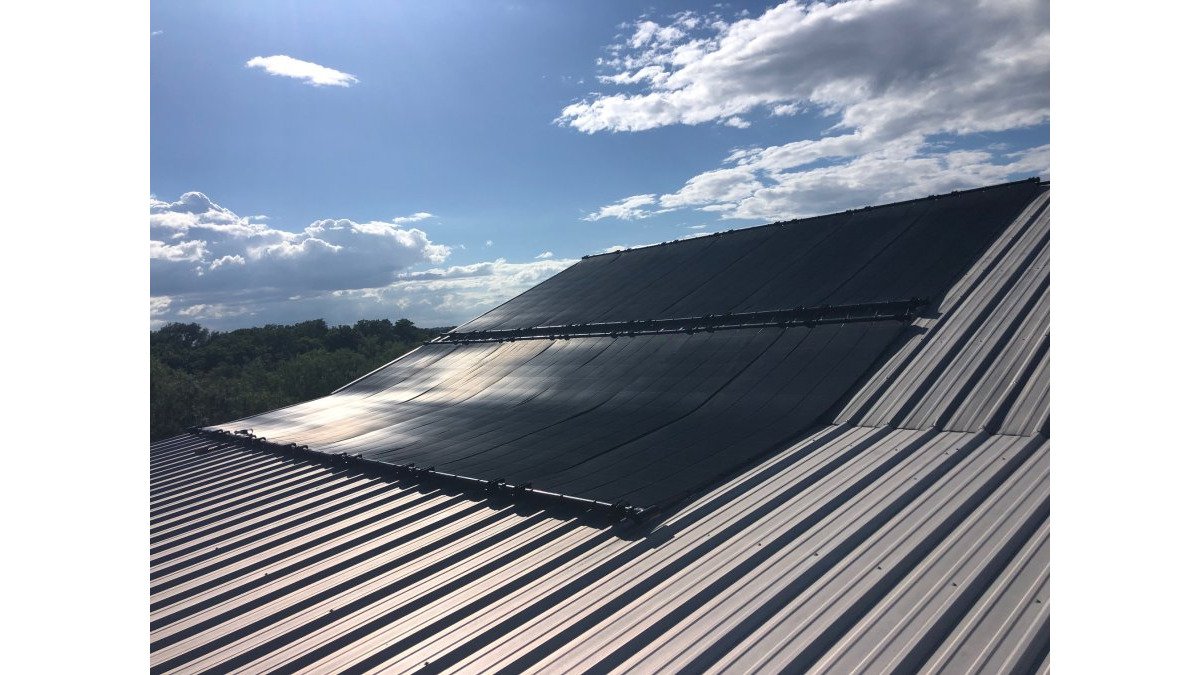
Solar collectors are the panels on your roof that capture sunlight and transfer that heat to your pool water. The pool pump moves water through the whole system. The pool filter catches debris before water reaches the collectors. Diverter valves decide whether water goes to the roof or straight back to the pool.
- Collectors: capture heat from sunlight
- Pump: pushes water through the loop
- Filter: keeps debris out of the collectors
- Valves: route water to the roof or bypass it
Controllers and Temperature Sensors
An automatic controller reads your pool temperature and decides when to send water to the collectors. A temperature sensor at the pool and another at the collectors tell it what's happening.
When the collectors are warmer than the pool, the controller opens the valve and starts heating. When they're cooler, it shuts the flow off. That single decision is what makes the system efficient.
Tracing the Water: Circulation From Pool to Collector and Back
The path water takes is simple: pool, pump, filter, valve, collectors, back to pool.
Water leaves the pool through the skimmer and main drain. The pump pulls it through the filter, which removes dirt and leaves.
Inside the collectors, sunlight heats the water as it passes through. According to Energy.gov's solar pool heating overview, most systems use the pool's existing filtration pump.
How Long Does a Solar Pool Heater Take to Heat a Pool?
Heating speed is not a fixed number, it is the result of a simple energy balance. The collectors add heat during the day, and the pool loses heat to the air, mostly through evaporation, around the clock. The net change in water temperature is what you feel. Understanding that balance is what separates a system that works from one that disappoints.
The Variables That Set Your Heating Rate
Four things determine how fast your pool warms:
- Collector area relative to pool surface area. This is the single biggest factor. A common industry rule of thumb is that collector area should equal roughly 50% to 100% of the pool's surface area, with the higher end used for pools that are screened, shaded, or used in cooler months. A 400-square-foot pool paired with 200 square feet of collectors will heat far more slowly than the same pool with 400 square feet.
- Usable sun hours. This is where location matters. Much of the state sees 5 to 7 peak sun hours per day in summer and 3 to 5 in winter. Collectors only add heat when they are warmer than the pool, so a cloudy morning or a low winter sun angle reduces the daily total.
- Starting water temperature. Warm water loses heat more slowly to cool air than cold water does, so a pool already at 80°F gains temperature faster on a sunny day than one sitting at 65°F in early spring.
- Heat retention. A cover changes the math more than most owners expect. An uncovered pool can lose several degrees overnight to evaporation; a covered pool may lose only one or two.
What That Looks Like Day to Day
On a clear summer day with good collector coverage, most well-sized systems raise pool temperature by roughly 3°F to 7°F over the course of the day.
That is why the honest answer to "how long" is usually expressed in days of accumulated sun, not hours. A pool starting the season at 68°F might need a week of good spring sun to reach the low 80s.
Why More Collector Area Beats a Bigger Pump
A larger pump pushes water through faster, but it does not add heat. In fact, pushing water through the collectors too quickly can reduce the temperature rise across the panel because the water spends less time absorbing energy. The correct flow rate is the one the collector manufacturer specifies, usually a few gallons per minute per panel, and the correct fix for slow heating is almost always more collector area, not more pump.
Solar Pool Heater Operation at Night and Through Changing Weather
Solar pool heater operation at night is straightforward: the system shuts down.
That's not a flaw. It's how the system protects itself.
The real issue at night is heat loss, not heat gain. Your pool loses warmth to the air, mostly through evaporation.
Weather changes the picture too:
- Cloud cover cuts how much heat the collectors gather
- Cool fronts slow heating and speed up overnight loss
- Wind increases evaporation and heat loss
- Rain doesn't harm the system, but it reduces sun exposure
On cloudy stretches, expect slower temperature rise. On clear, hot days, the system works at its best.
Solar Pool Heating Versus Gas Heating: What Texas Owners Should Know
Solar pool heating versus gas heating comes down to how you pay for heat. Gas heaters burn fuel every time they run.
Gas heaters do heat faster and work regardless of weather.
Solar systems pay for themselves quickly because they cut or eliminate that ongoing heating cost.
Across Texas, more pool owners are choosing solar over gas or electric because the sun is free and the system keeps working year after year.
U.S. Department of Energy on pool heating options
Sizing Your System and Getting the Most From Your Roof
Sizing is where most solar pool heating projects succeed or fail. The goal is to match collector area to the pool's surface area and to the amount of sun your roof actually receives, not the amount you assume it receives.
The Sizing Calculation, Step by Step
Start with the pool's surface area, not its volume. A rectangular pool is length times width; a freeform pool is estimated by breaking it into rectangles and circles. A 16-by-32-foot pool has about 512 square feet of surface.
Then apply the collector ratio:
- 50% of surface area, minimum for a warm-climate pool used mainly in summer.
- 75% of surface area, the common target for a pool you want to use across a long season.
- 100% of surface area, for pools that are shaded part of the day, screened, or used in cooler months.
For that 512-square-foot pool, a 75% target means roughly 384 square feet of collector. Since most panels are about 4 feet by 10 to 12 feet (40 to 48 square feet each), that works out to about 8 to 10 panels.
Roof Orientation, Pitch, and Shade
In the northern hemisphere, south-facing roofs collect the most sun across the year. In much of the state, a south-facing roof at a moderate pitch is ideal.
Shade is the silent killer. A single large tree that shades the collectors from 10 a.m. to 2 p.m. can cut daily output by a third or more. Before sizing, walk the roof at several times of day and note what is shaded when.
Structural and Plumbing Considerations
Collectors are light, typically 3 to 5 pounds per square foot when dry, but they are mounted on a roof that also has to handle wind uplift. Most residential roofs handle this without reinforcement, but an installer should confirm the mounting method and attachment points. Plumbing runs matter too: a long run from the equipment pad to a distant roof plane adds friction and heat loss, so shorter, more direct routes are preferred.
Matching the System to the Season You Want
This is the part that is genuinely regional. A system sized for a June-through-August pool is much smaller than one sized to stretch the season from March into November. If your goal is a long season, size toward the higher end of the ratio and plan on a cover. If your goal is simply a warmer summer pool, the lower end is fine.
Get the sizing right and the system does its job quietly for years. Get it wrong and you will wonder why the water never warms up.
Conclusion: Why Texas Pool Owners Keep Choosing Solar
Solar pool heating gives Texas owners a way to swim longer without paying to burn fuel every day.
At Solar Pool Heating Texas, we install and repair residential and commercial systems across the state, backed by our partnership with SolarTEK and a 100% satisfaction guarantee.
Get started with Solar Pool Heating Texas and extend your swimming season by up to nine months.
Frequently Asked Questions
Do solar pool heaters actually work in Texas?
Yes. Texas gets abundant sunlight for most of the year, which is why solar pool heating performs well here. The system uses your existing pool pump to push water through roof-mounted collectors, where sunlight warms it before it returns to the pool. Many Texas owners extend their swimming season by up to nine months. Output depends on collector area, roof orientation, shading, and weather, but the basic principle works reliably across the state.
Should I turn my solar pool heater off at night?
Most systems handle this automatically. When the sun goes down, the controller detects that the collectors are no longer warmer than the pool water and stops routing water to the roof. This prevents the system from cooling your pool overnight. If your controller is set correctly, you do not need to manually shut anything off. A pool cover at night further reduces heat loss from evaporation and keeps the water warmer for the next day.
How long does it take for a solar heater to heat a pool?
It depends on pool size, collector area, starting water temperature, and weather. A properly sized system in Texas typically raises pool temperature by several degrees over a few sunny days. Once the pool reaches your target temperature, the controller maintains it with shorter daily run cycles. Cloudy stretches slow the process, and nighttime heat loss works against it, so a cover helps hold the gains.
How does solar pool heating compare to gas heating?
Gas heaters warm a pool quickly but require ongoing fuel expenses. Solar pool heating uses the sun as its fuel source, so ongoing operating costs are minimal. It heats more gradually, but once the pool is at temperature, the system maintains it efficiently. Solar also needs no maintenance and pays for itself over time, which is why more Texas pool owners are switching from gas and electric heating.