 how-to
7 Solar Pool Heating Checks for an Old Pool
Last Updated: October 26, 2026
Quick Summary
Solar pool heating works on an old pool when the shell and plumbing hold pressure, the pump and filter are in working order, and at least one mounting area gets six hours of direct midday sun. Age alone rarely disqualifies a pool, so run the seven checks as measurements rather than guesses.
- Walk the yard at morning, midday, and late afternoon to note where shadows fall.
- Confirm the pump primes within a minute or two and holds prime without surging.
- Solar goes first in the flow path so the backup heater only fires when needed.
- Collector square footage should equal roughly half to three-quarters of pool surface area.
- Pressure-test the new loop before the system runs to catch small leaks early.
Table of Contents
- Why an Older Pool Is Usually a Good Candidate for Solar Pool Heating
- Solar Pool Heater for Existing Pool: A Compatibility Checklist
- Solar Pool Heater Plumbing Requirements on an Older System
- Pool Pump Compatibility With Solar Heating
- Solar Pool Heating With an Existing Gas Heater
- Sizing Collectors and Planning Water Flow for Your Pool
- Step-by-Step Retrofit: Adding Solar to an Existing Pool
- Book a Free Solar Pool Heating Consultation
- Frequently Asked Questions
Why an Older Pool Is Usually a Good Candidate for Solar Pool Heating
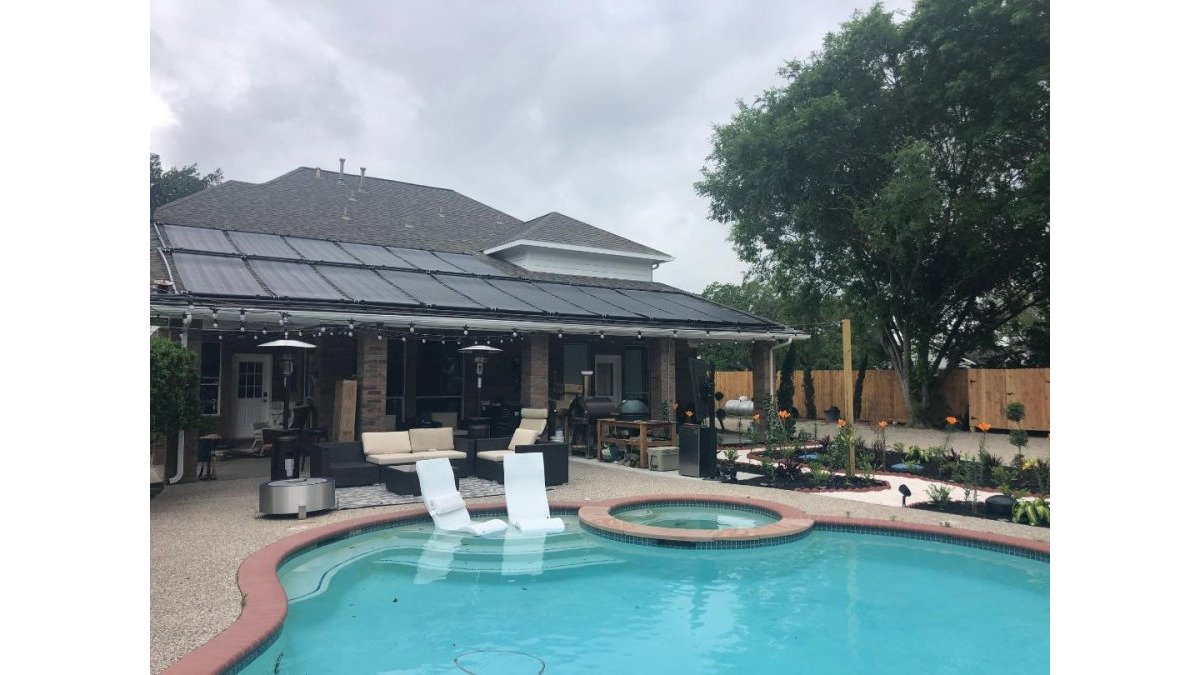
Solar pool heating old pool compatibility comes down to one fact: an older pool is usually a better candidate than its owner expects. The shell, plumbing, and pump are already in place, so Solar Pool Heating Texas simply adds a collector loop to equipment that has run for years.
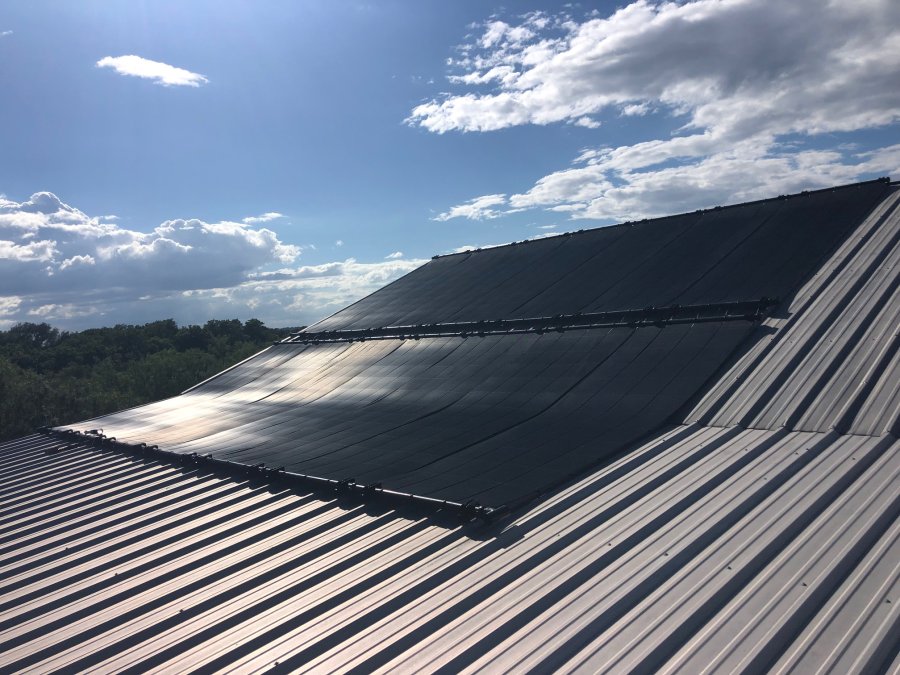
Age alone rarely disqualifies a pool. What matters is the condition of a few specific parts:
- An older pool has already survived decades of sun and water. That is a good sign.
- The pump and filter usually handle a solar loop without trouble.
- The real question is access, not age.
Below are the seven checks that decide whether solar works on your pool. Run them in order; most pools pass six or seven.
Solar Pool Heater for Existing Pool: A Compatibility Checklist
A solar pool heater for an existing pool works when four things line up: solid plumbing, enough sun, usable deck or roof space, and a pump with capacity to spare. Run this checklist as measurements, not guesses:
- Pool shell and plumbing hold pressure. No active leaks, no weeping fittings, no soft spots around returns or the skimmer.
- Filter and pump are in working order. A clean filter and a pump that primes quickly and holds prime.
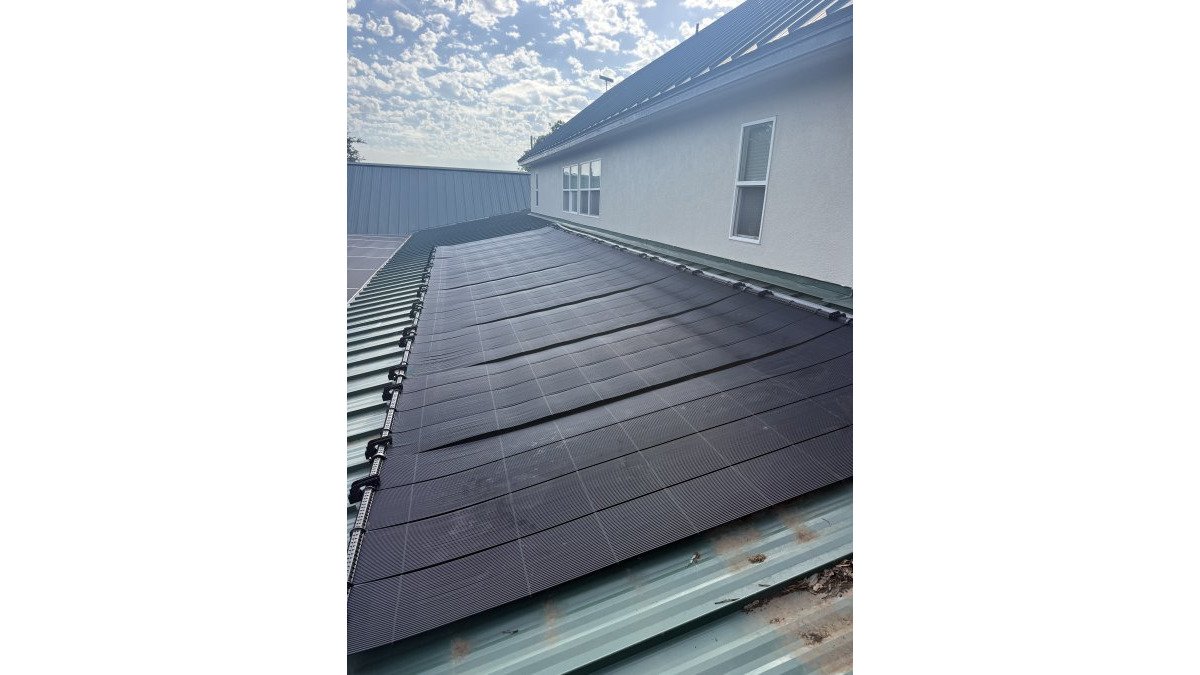
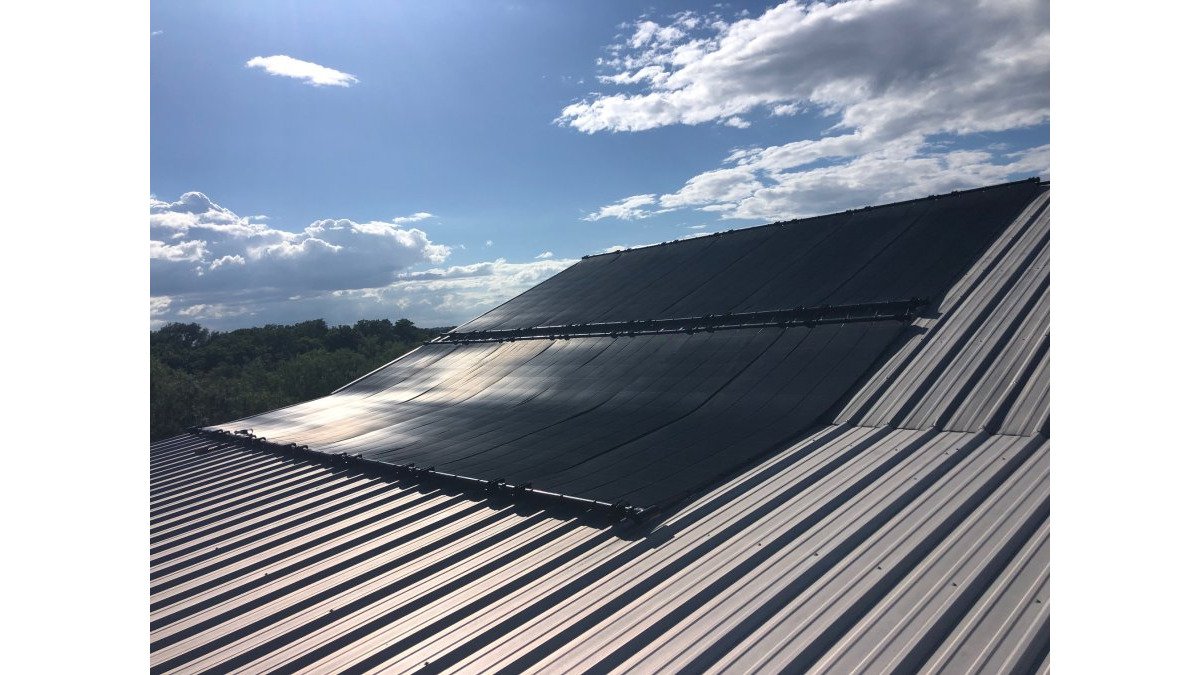
- At least one mounting area gets direct sun most of the day. Six hours of unobstructed midday sun is the working minimum.
Two or three failures do not kill the project. They just set the order of work.
How to Actually Run Each Check
A checklist is only useful if you know what a pass looks like.
Shell and plumbing. Walk the equipment pad and pool edge.
Filter and pump. Confirm the pump primes within a minute or two and holds prime without surging. A pump that loses prime has a suction-side air leak, fix it before adding collectors, because a solar loop amplifies any suction problem.
Sun and mounting space. Walk the yard at morning, midday, and late afternoon and note where shadows fall.
Pump flow. This is the check most owners skip. See the pump section below for how to test headroom.
Pool Surface, Deck Space, and Sun Exposure
Sun exposure decides more than pool age ever will, a collector needs direct light, not filtered light through trees. Odd pool shapes are not a problem, since collectors mount on racks or the roof, not the pool itself. Owners with irregular layouts can read solar pool heating for oddly shaped pools.
Old Pool Materials and Equipment Constraints
Old pools bring a short list of real constraints. None are deal-breakers, but they change how the retrofit gets planned:
- Fragile plumbing. Older PVC can crack when tapped, so a careful installer pressure-tests before cutting in.
- Metal plumbing. Galvanized or copper lines need dielectric unions where they meet plastic, or the joint corrodes from the inside out.
- Salt systems. Saltwater pools need collector materials that resist corrosion. The solar pool heater guide for saltwater pools covers what changes.
A common mistake is assuming an old system must be replaced wholesale. Usually it does not.
Solar Pool Heater Plumbing Requirements on an Older System
Solar pool heater plumbing requirements are simple on paper: a feed line to the collectors, a return line back to the pool, and a bypass valve that lets water skip the collectors when not needed. On an older system, the work is finding clean tie-in points and sequencing the loop. Here is what gets connected, in flow order:
- A three-port diverter valve after the filter. This is the branch point. One port feeds the collectors; the other continues to the pool return.
- A feed line running to the collector array. Sized to match the collector bank's flow demand.
- A return line back to the pool return side. Tied in downstream of the existing heater so the backup only sees water that solar could not warm.
- A check valve on the return. Stops backflow when the pump shuts off and keeps the collectors from draining backward through the pad.
- A bypass valve. Lets the pool run normally in cool weather or when the collectors are being serviced.
- A vacuum breaker or air-relief at the high point. Lets the collectors drain when the pump stops, which protects them from trapped water and heat.
Where the Loop Sits Relative to Everything Else
Flow order matters more on an older pad, because every device already installed has its own expectations.
- Filter first, always. Collectors want clean water; debris clogs their small passages.
- Solar before the backup heater. The gas heater or heat pump should only fire on water that solar could not bring to setpoint.
- Salt cell downstream of the solar return. Chlorine generation should see the final water temperature.
Flow Rate and the Bypass
Flow rate is the number that matters. Collectors need steady, even flow: too little and the panels run hot without transferring heat; too much and the pump works harder than needed. The bypass lets you tune collector flow independently of total system flow, so the loop does not steal flow from the filter and returns on an older pump. A common pattern: the installer sets the bypass partway open so the collectors get their rated flow while the rest of the system keeps its pressure.
Older Valves, Fittings, and Tie-In Points
Older pads often have gate valves that no longer seal or ball valves stiffened with age. Before cutting in, exercise every valve and replace any that will not close, a bypass is only useful if the valves around it hold. Cut into a straight run after the filter; if there is none, a short spool piece between two fittings creates one.
The full installation process shows how these connections land on a real system.
Pool Pump Compatibility With Solar Heating
Pool pump compatibility with solar heating usually comes down to one question: does your pump move enough water for both the filter loop and the collectors?
Test it before you buy anything. A simple flow check tells you whether the pump has headroom.
If it does not, you have options:
- Run the solar loop on a separate small pump
- Upgrade to a variable-speed pump and dial in flow
- Split the collector array into two smaller banks
Variable-speed pumps pair well with solar: run low speed for filtration and ramp up only when the collectors need flow.
Solar Pool Heating With an Existing Gas Heater
Solar pool heating with an existing gas heater works best when the two share the job: solar carries the load on sunny days, and the gas heater covers cloudy stretches and cold snaps. Solar sits first in the flow path and does the daily work; the gas heater kicks in only when water falls below your setpoint, with a controller deciding which source runs. Many Texas pool owners keep the gas heater but barely use it after solar goes in.
Sizing Collectors and Planning Water Flow for Your Pool
Collector area should track pool surface area, not volume. A common starting point is collector square footage equal to roughly half to three-quarters of the pool's surface area; shade, wind, and desired water temperature push that number up or down.
A simple sizing frame:
| Pool Surface Area | Collector Area (starting point) | Flow Priority |
|---|---|---|
| Small, under 400 sq ft | 200-300 sq ft | Standard pump |
| Mid-size, 400-700 sq ft | 250-500 sq ft | Check flow rate |
| Large, over 700 sq ft | 400+ sq ft | Variable-speed pump |
These are starting points, not final numbers. Add a solar cover and you keep more of the heat you capture, the cover does as much work as an extra panel in many yards.
Step-by-Step Retrofit: Adding Solar to an Existing Pool
Retrofitting solar onto an existing pool follows a set sequence. Plan it in this order:
- Assess the pool and equipment. Check the shell, pump, filter, and plumbing.
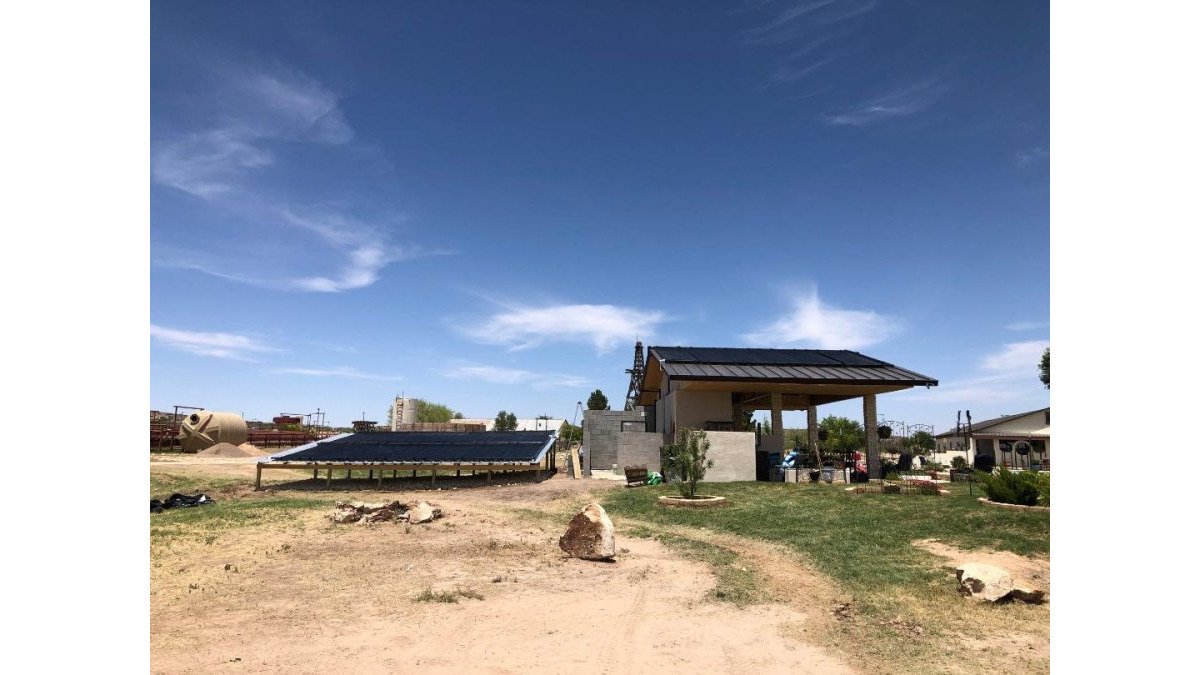
- Map sun and mounting space. Find the sunniest roof or ground area.
- Size the collectors. Match collector area to pool surface.
- Plan the plumbing route. Find clean tie-in points and valve locations.
- Mount the collectors. Roof racks or ground racks, angled toward the sun.
- Connect feed and return lines. Add the bypass and check valves.
- Wire the controller. Set the temperature and run schedule.
- Pressure-test and run. Check for leaks and confirm flow.
- Balance the system. Adjust valves so flow is even across collectors.
The residential installation walkthrough shows each step on a real pool. Expect most of the work to happen in a day or two once materials are on site.
Watch out: skipping the pressure test is the mistake that costs the most. A small leak found early is a quick fix. The same leak found after the deck is closed up is a much bigger job.
Book a Free Solar Pool Heating Consultation
The final check is the one you cannot do alone. An on-site assessment confirms exact collector placement, flow rate, and how your existing equipment ties in.
Solar pool heating is the smartest, most cost-effective way to heat a pool.
Our team at Solar Pool Heating Texas brings years of experience with older pools and odd layouts.
If you are ready to hire, read our guide on how to choose a pool heating contractor first.
Frequently Asked Questions
Will solar pool heating work with an older pool?
In most cases, yes. Solar pool heating works with an existing pool as long as you have usable sun-facing space for collectors, plumbing that can be tied into, and a pump that moves enough water. Older pools are often good candidates because the shell and plumbing are already in place. An on-site assessment confirms collector area, flow rate, and how the system connects to your current equipment before any work starts.
Does an older pool pump work with a solar pool heater?
Pool pump compatibility with solar heating depends on flow rate, not age. The pump must move enough water through the collectors during daylight hours to transfer heat into the pool. A tired or undersized pump may need a replacement or a variable-speed upgrade. A technician measures your current flow and panel count to confirm the pump can handle the added resistance from the collector loop.
Can solar pool panels work with a pool that already has a gas heater?
Yes. Solar pool heating with an existing gas heater is a common setup: the solar collectors do most of the heating, and the gas heater provides supplemental heating on cloudy or cooler days. Both connect through the same plumbing loop with valves that let you switch between them. This combination keeps the gas heater as backup while solar carries the routine heating load.
What should I check before adding solar heating to my pool?
Check sun exposure on the mounting area, available space for collector area sized to your pool surface area, condition of existing plumbing and valves, pump flow rate, and any automation or sanitation equipment the system must work around. Also confirm the roof or ground mount can support the collectors. A professional assessment covers these points and produces a sizing plan before installation begins.
Your pool has been sitting in the Texas sun for years, soaking up free heat you have never used. That is the challenge: capturing it. Solar Pool Heating Texas designs and installs systems built for older pools, backed by our SolarTEK partnership, a 100% satisfaction guarantee, and 24/7 repair support. Get started with Solar Pool Heating Texas and turn that sunlight into a longer swimming season.