 ultimate-guide
7 Eco Friendly Ways to Heat a Swimming Pool
Last Updated: October 26, 2026
Quick Summary
Solar pool heating is the smartest, most cost-effective way to heat a swimming pool, running on sunlight with no maintenance. Solar thermal panels circulate pool water through collectors, add warmth from the sun, and send it back, minimizing your environmental impact.
- Size the collector array at roughly half to three-quarters of the pool's surface area in sunny, warm climates.
- A south-facing roof is ideal, and a modest tilt extends useful collection into the shoulder seasons.
- A pool blanket traps warmth at the surface and cuts evaporation.
- Solar thermal's only energy draw is the circulation pump, often the pool's existing pump.
- Solar Pool Heating Texas can extend your swimming season by up to nine months.
Table of Contents
- Why Eco Friendly Pool Heating Beats Gas and Electric
- How Does a Solar Pool Heater Work?
- Solar Pool Heater Efficiency: What Affects Performance
- Pool Covers to Retain Heat and Cut Evaporation
- Pool Heat Pump vs. Solar Heater: Which Is Greener?
- Low-Cost, Low-Energy Ways to Warm a Pool
- Combining Heating Methods for Better Efficiency
- Get a Free Consultation for Your Solar Pool Heating Plan
- Frequently Asked Questions
Why Eco Friendly Pool Heating Beats Gas and Electric
Solar pool heating is the smartest, most cost-effective way to heat a swimming pool. It runs on sunlight and needs no maintenance. Solar Pool Heating Texas helps pool owners reduce electricity costs and minimize their environmental impact with solar pool heating.
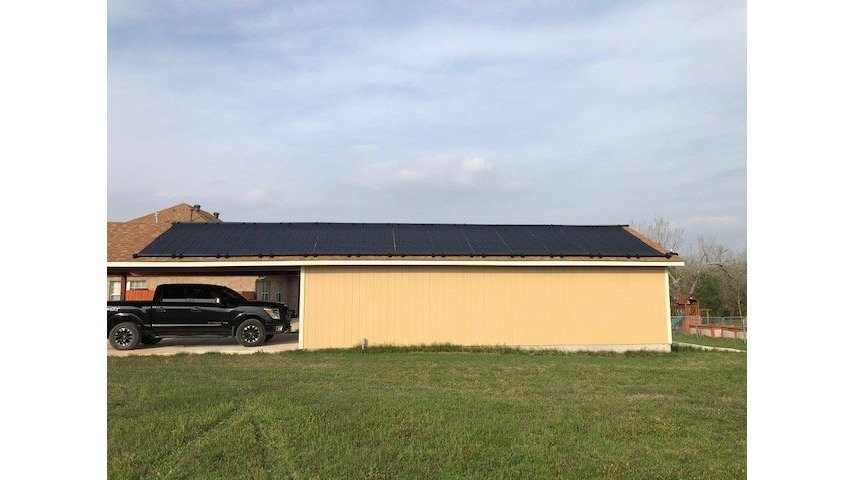
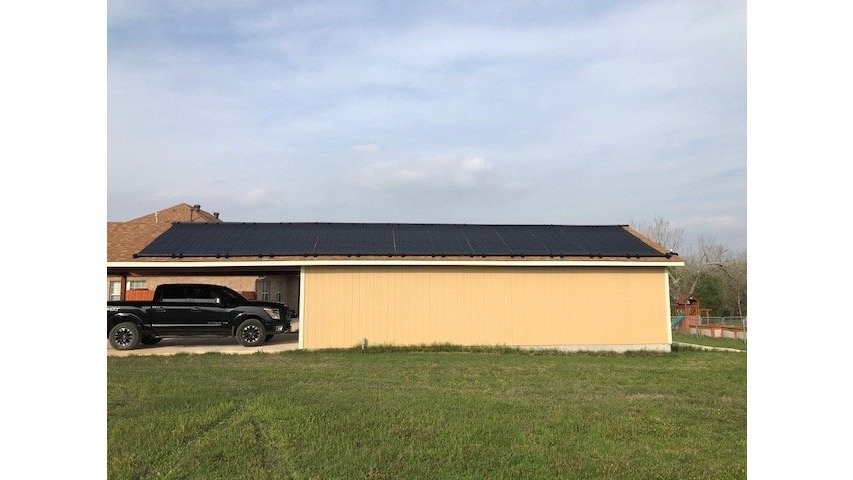
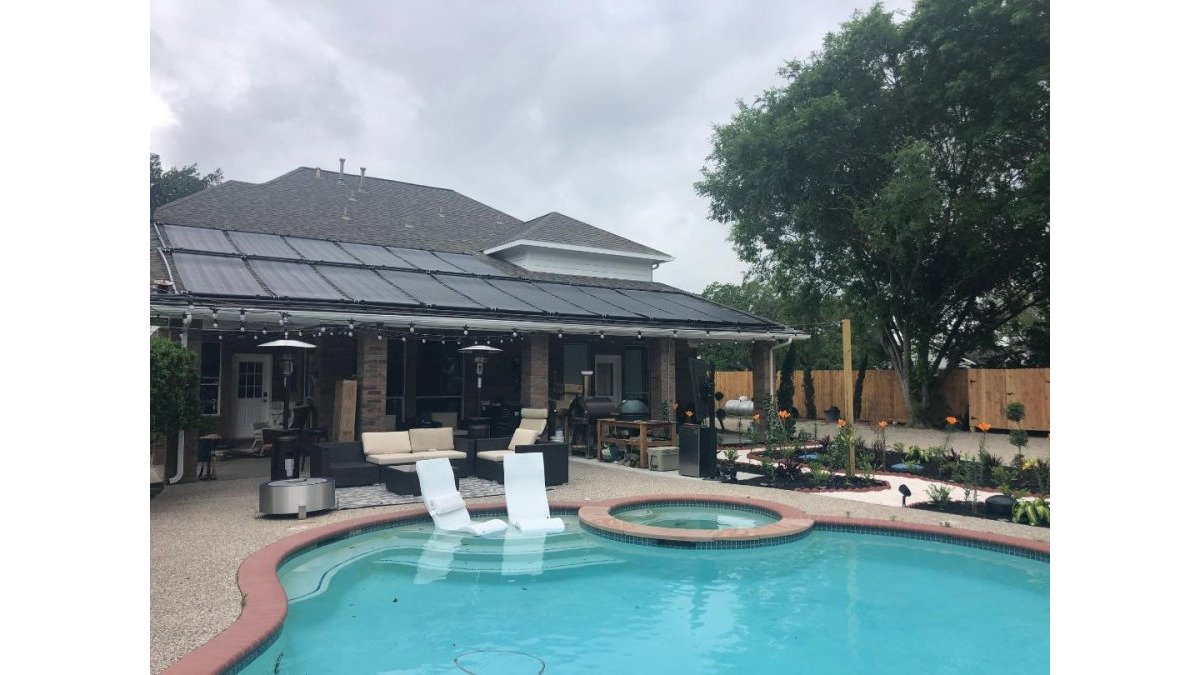
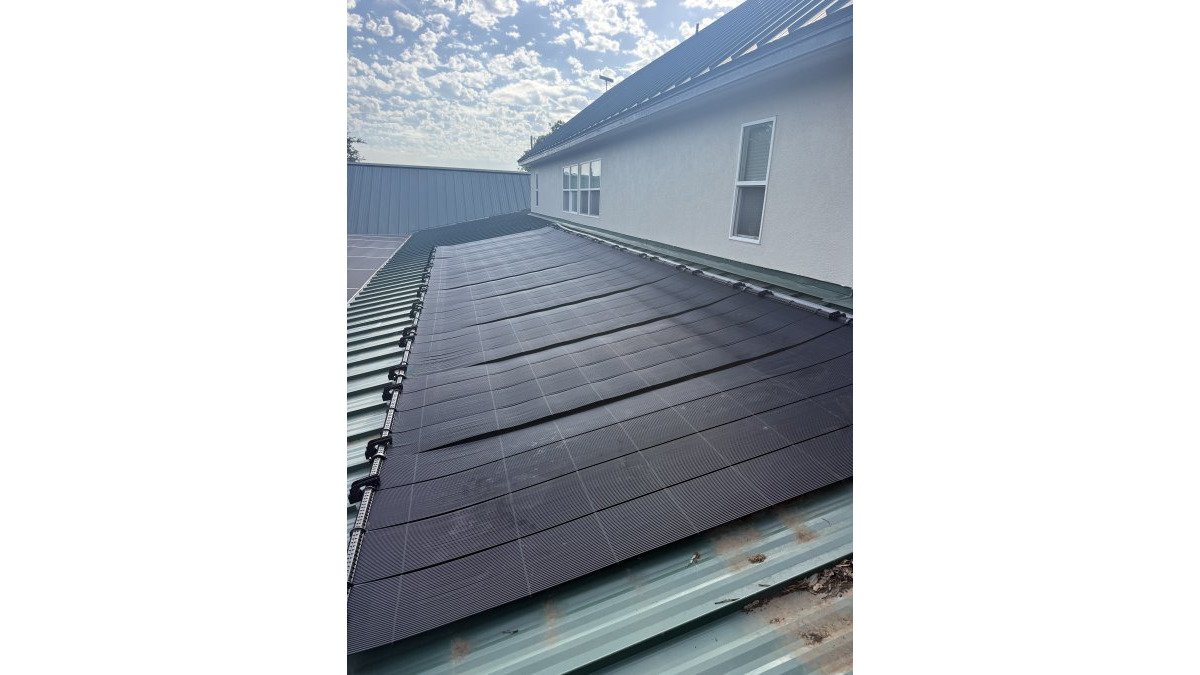
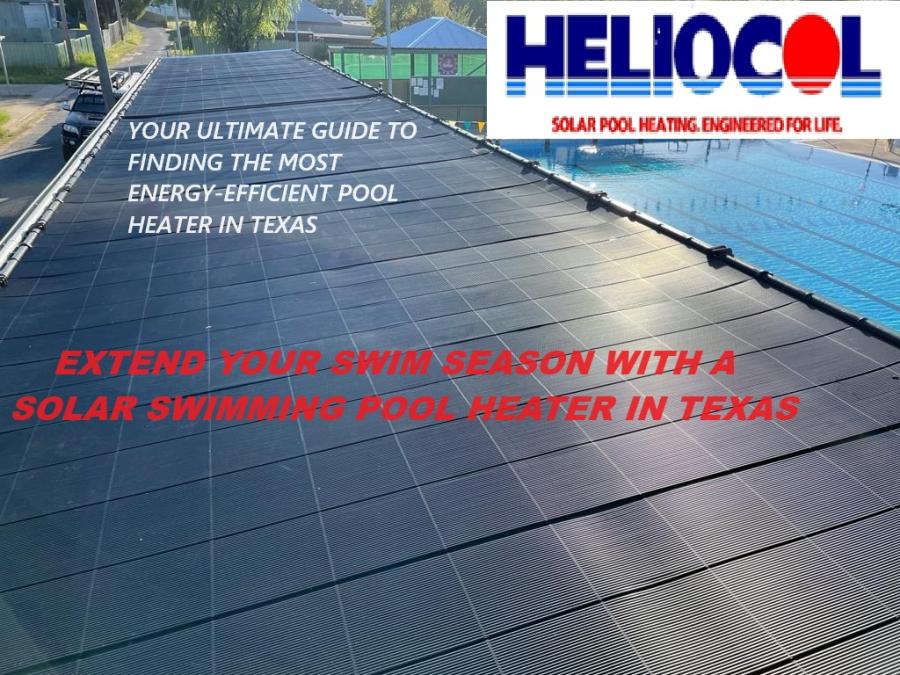
Solar thermal panels circulate pool water through collectors, add warmth from the sun, and send it back.
The environmental case is just as clear. For the full case, see our benefits of solar pool heating guide. Solar pool heating harnesses the power of the sun and can help minimize your environmental impact.
Below, we'll explain how solar pool heating works.
How Does a Solar Pool Heater Work?
A solar pool heater uses the sun to warm pool water. Solar Pool Heating Texas provides solar pool heating installation and repair services.
Solar pool heating systems use solar technology to harness the power of the sun.
From Collector to Pool: The Heating Loop
For a deeper, region-specific walkthrough of the mechanics, see our guide on how solar pool heating works in Texas.
Solar Pool Heater Efficiency: What Affects Performance
Solar pool heater efficiency is not a single number you can look up. It is the product of how much sunlight the collectors intercept, how much of that energy reaches the water, and how much of the warmed water stays warm. Understanding each link lets you predict performance instead of hoping for it.
The Collector-to-Pool Area Ratio
The single most predictive factor is the ratio of collector surface area to pool surface area. A common industry pattern is to size the array at roughly half to three-quarters of the pool's surface area in sunny, warm climates, and closer to full surface-area coverage in cooler or windier conditions. Undersizing is the most frequent installation mistake: the water warms a few degrees on bright days and then loses that gain overnight, so the pool never reaches a comfortable temperature. Oversizing adds collection capacity you rarely use and can push water through panels faster than it can absorb heat.
Orientation, Tilt, and Shading
Panels need unobstructed sun during the middle of the day, when solar intensity peaks. A south-facing roof is ideal; east- and west-facing arrays collect meaningfully less. Tilt matters too. Panels mounted flat collect well in summer but underperform in spring and fall, when the sun sits lower. A modest tilt toward the sun extends useful collection into the shoulder seasons. Even a small shaded patch from a tree or chimney can drag down the output of an entire row of collectors, because water flows through the array in series.
Ambient Temperature and Wind
Efficiency drops when the air is cold, because the panels lose heat to the surrounding air faster than they gain it from the sun. Wind accelerates that loss and also drives evaporation from the pool surface. A sunny, still day delivers the best temperature rise; a breezy, cool day can erase much of the gain. This is why heat retention (covered in the next section) matters as much as heat collection.
Flow Rate and the Heating Loop
Water must move through the collectors slowly enough to absorb heat but fast enough to keep the array from overheating. Most systems use a bypass valve and a flow rate tuned to the array size. Running the pump during daylight hours, when the collectors are actually gaining heat, is what converts pump energy into warmer water. Circulating at night or in the rain adds nothing.
Climate-Specific Expectations
Solar Pool Heating Texas provides solar pool heating services across Texas and can extend your swimming season by up to nine months.
For a deeper, region-specific walkthrough of the mechanics, see our guide on how solar pool heating works in Texas.
Pool Covers to Retain Heat and Cut Evaporation
Evaporation is the process where warm surface water turns to vapor and carries heat away with it. A pool blanket traps that warmth at the surface instead.
Pool Heat Pump vs. Solar Heater: Which Is Greener?
A solar heater is greener than a pool heat pump in most cases, but the honest answer is more nuanced than 'renewable equals better.' A fair comparison looks at emissions across the equipment's whole life, not just while it runs.
Lifecycle Emissions: Manufacture, Operation, and Disposal
During operation, the gap widens. A solar thermal system's only energy draw is the circulation pump, which is often the pool's existing pump. A heat pump runs a compressor for hours to move heat, and its real-world emissions depend entirely on how the local grid generates electricity. On a grid heavy with coal or natural gas, a heat pump's operating emissions are far higher than on a grid rich in renewables and nuclear. Solar thermal sidesteps that variability because the energy source is on-site sunlight.
Efficiency in Plain Terms
Heat pumps are efficient at moving heat rather than generating it, which is why they outperform gas and electric resistance heaters (energy.gov). But that efficiency is measured in electricity consumed, and electricity still has a carbon cost depending on the grid. Solar thermal collectors convert sunlight directly to heat with no compressor, no refrigerant, and no combustion, so the environmental case does not depend on the grid mix.
Where a Heat Pump Still Makes Sense
Heat pumps are a reasonable choice when roof or ground space for collectors is limited, when a pool needs heat during extended cloudy stretches, or when a homeowner wants a single compact unit. For practical guidance on lowering pool heating bills with solar, see our guide. In those cases, pairing a heat pump with a solar cover and running it only when needed keeps its operating hours, and its emissions, down.
The Hybrid Approach
| Factor | Solar Thermal Heater | Pool Heat Pump |
|---|---|---|
| Primary energy source | On-site sunlight | Grid electricity |
| Operating emissions | None from the heat source itself | Varies with local grid mix |
| Refrigerant | None | Present; requires handling at end of life |
| Moving parts | Circulation pump only | Compressor, fan, controls |
| Maintenance needs | Very low | Regular service |
| Best fit | Sunny sites with collector space | Limited collector space or extended cloudy periods |
Low-Cost, Low-Energy Ways to Warm a Pool
These steps are affordable and immediate. Stack them and you'll notice a warmer pool within a week.
Combining Heating Methods for Better Efficiency
If extending your swimming season is the goal, our guide on how to extend your swimming season walks through the combined approach in detail.
Get a Free Consultation for Your Solar Pool Heating Plan
Every pool is different, and the right eco friendly ways to heat swimming pools depend on your setup, your sun exposure, and how long you want to swim each year. Get a free consultation to discuss your solar pool heating needs.
Solar Pool Heating Texas installs and repairs residential and commercial solar pool heating systems, working with SolarTEK to deliver sustainable solutions that extend your swimming season by up to nine months. Our systems need no maintenance. We're available 24/7 for emergency repairs and back every job with a 100% satisfaction guarantee.
Our 7-step guide to choosing a pool heating contractor covers questions to consider when choosing an installer.
Frequently Asked Questions
What is the most energy-efficient way to heat a swimming pool?
Solar pool heating harnesses the power of the sun. Solar Pool Heating Texas provides residential and commercial solar pool heating installation and repair services.
Should I turn my solar pool heater off at night?
Solar Pool Heating Texas provides solar pool heating installation and repair services. Contact the team for guidance about your system.
Can a pool cover help keep a swimming pool warm?
Solar Pool Heating Texas provides solar pool heating installation and repair services.
How does a solar pool heater work in cooler weather?
Solar pool heating harnesses the power of the sun. Solar Pool Heating Texas can extend your swimming season by up to nine months.
Your pool shouldn't cost a fortune to heat or leave a carbon footprint behind. Solar pool heating gives you warm water, no maintenance headaches, and a system that pays for itself while running on nothing but sunshine. Get started with Solar Pool Heating Texas and get a free consultation for a solar plan built around your pool.