 Ultimate guide
7 Reasons Solar Pool Heating Beats Gas in Texas 2026
Quick Summary
Solar pool heating uses collector panels to warm pool water with sunlight, so it has no fuel bill and needs little upkeep. Texas's sunny climate suits it well, and a properly sized system can help extend the swimming season into shoulder months.
- Solar collectors capture heat whenever the sun shines, so they add no fuel cost.
- The system's main running cost is the electricity used by the existing pump.
- Solar has few moving parts, with no burners, igniters or compressor to service.
- A pool cover is a major multiplier because it holds in the heat collectors add overnight.
- Compare provider proposals on collector sizing, controller type, mounting and warranty terms.
Table of Contents
- Why More Texas Pool Owners Are Switching to Solar Pool Heating
- Solar Pool Heating Benefits Compared With Gas and Electric Heaters
- Extending Swimming Season With Solar in Texas Weather
- How Solar Pool Heating Systems Work in Practice
- Pool Types and Layouts That Suit Solar Heating
- Choosing a Texas Solar Pool Heating Provider
- Request Your Free Solar Pool Heating Consultation
- Frequently Asked Questions
7 Reasons Solar Pool Heating Beats Gas in Texas 2026
Last Updated: November 22, 2026
Why More Texas Pool Owners Are Switching to Solar Pool Heating
Texas pool owners are looking for ways to stretch the swimming season without the rising bills that come with gas and electric heaters. Solar pool heating is a cost-effective way to heat a pool, and it is why more homeowners across the state are making the switch.
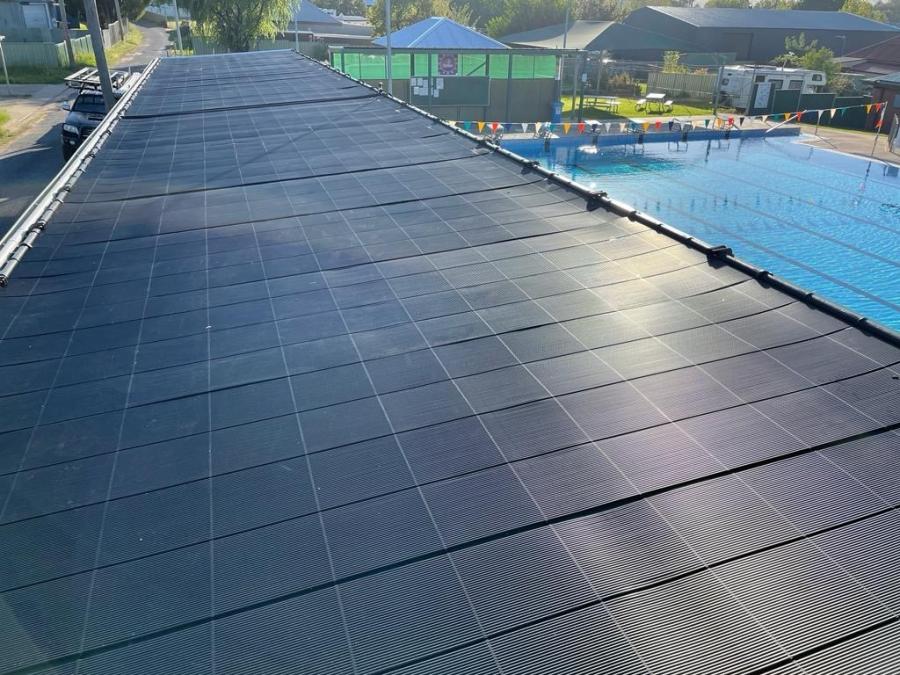
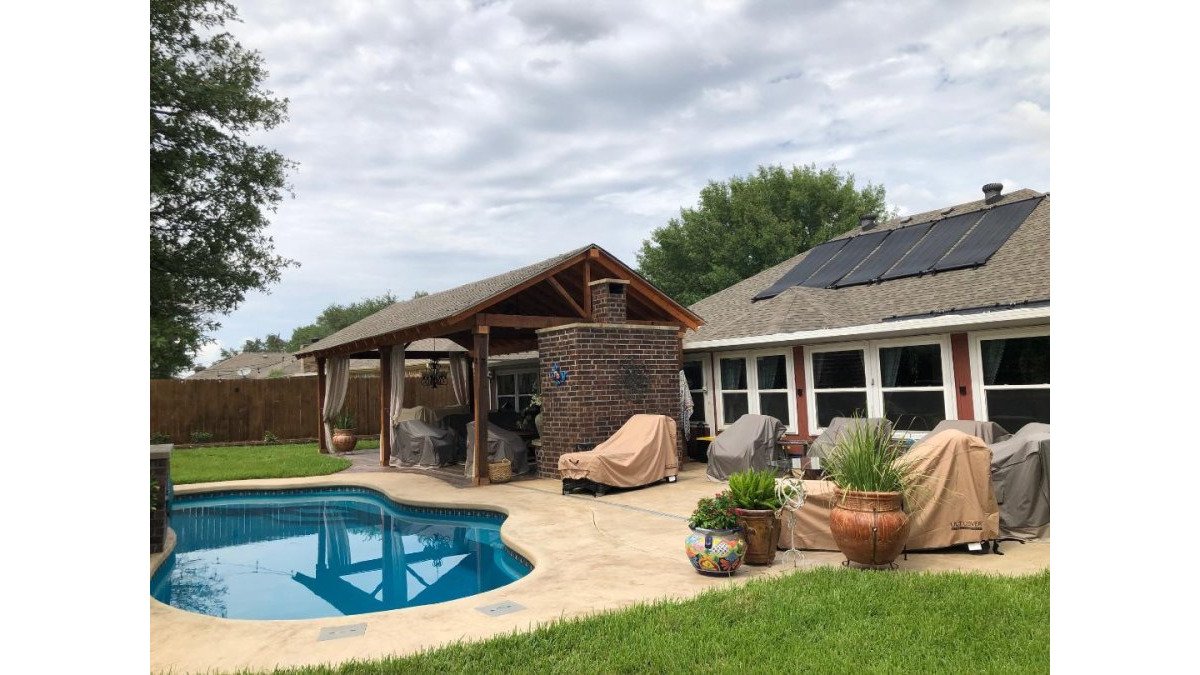
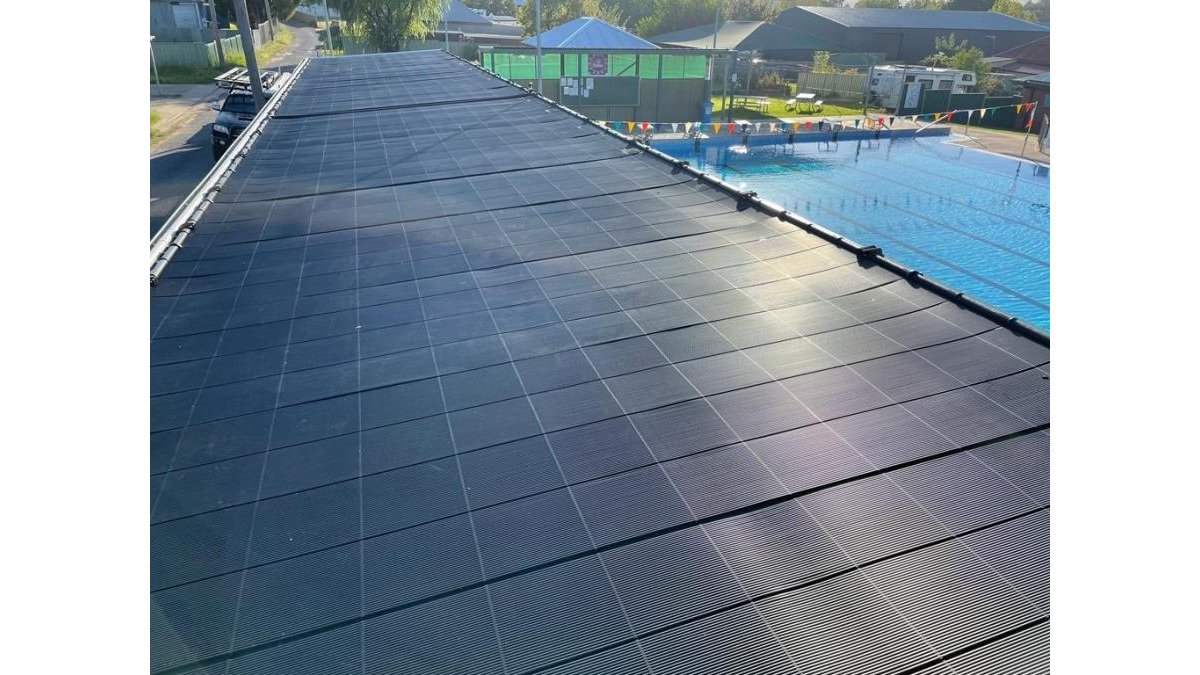
A solar pool heating system uses collector panels to warm the water as it circulates through the pool's filtration system. Because the energy comes from sunlight, the system runs without a fuel bill.
Solar Pool Heating Benefits Compared With Gas and Electric Heaters
Solar pool heating offers low running costs and upkeep compared with gas and electric heaters. Gas heaters burn fuel every time they run, and electric heat pumps draw power continuously during cooler months. Solar collectors, by contrast, capture heat whenever the sun is shining, which in Texas is a lot of the time.
For a homeowner comparing options, the practical question is how much each system costs to run and to own. A detailed breakdown of solar costs is available in our guide on How Much Does Solar Pool Heating Cost? 2026 Guide, which lays out what owners typically spend over the life of the system. Readers weighing solar against other heaters will also want our assessment of Are Solar Pool Heaters Worth It? A 2026 Review, which examines the value question directly.
Operating Costs: Why Solar Runs on Free Sunlight
Solar's biggest advantage is that its heat comes from sunlight rather than a fuel purchase. A solar system's operating cost is mainly the electricity needed to run the pump.
A common mistake is sizing a system for the weather you hope for rather than the weather you get. Texas summers are strong for solar, and shoulder seasons in spring and fall are also part of the heating picture. Matching collector area to your pool's surface area and your target temperature supports consistent results.
Maintenance Needs and Long-Term Durability
Solar pool heating is designed to be low-maintenance. There are no burners to service, no igniters to replace, and no compressor to diagnose. Routine care centers on keeping the pump and filter running well.
Gas heaters have more moving parts that wear over time, and electric heat pumps require periodic service on their refrigerant and fan components. If you are concerned about upkeep, our guide on 7 Common Solar Pool Heating Maintenance Issues to Fix covers the problems owners run into in practice and how to handle them.
The article contrasts how the main pool heating options differ in running cost and upkeep.
| Heater type | Heat source | Key difference |
|---|---|---|
| Solar collectors | Sunlight | No fuel bill; captures heat whenever the sun shines |
| Gas heater | Burned fuel | Fuel purchased every time it runs |
| Electric heat pump | Continuous electricity | Draws power throughout cooler months |
| Solar collectors | Sunlight | Few moving parts; no burners or compressor to service |
| Gas heater | Burned fuel | Burners and igniters wear and need service |
| Electric heat pump | Continuous electricity | Refrigerant and fan components need periodic service |
Extending Swimming Season With Solar in Texas Weather
Solar can help extend the swimming season into cooler months. Texas's sunny climate is well suited to solar heating, and a well-designed system can help keep the water comfortable during shoulder seasons.
Extending the season does depend on your system's size, your pool's exposure, and your local weather patterns. Overcast stretches and cold nights will slow heating, which is why many owners pair solar with a pool cover to hold in the heat it collects.
How Solar Pool Heating Systems Work in Practice
A solar pool heating system is a closed loop added to your existing pool equipment. Water is drawn from the pool, pushed through the filter, diverted through collector panels mounted where they get direct sun, and returned warmed to the pool. The pump you already own does the work; the collectors add no fuel-burning equipment and no compressor. That simplicity is one reason many owners choose solar for pool heating.
The components, and what each one does
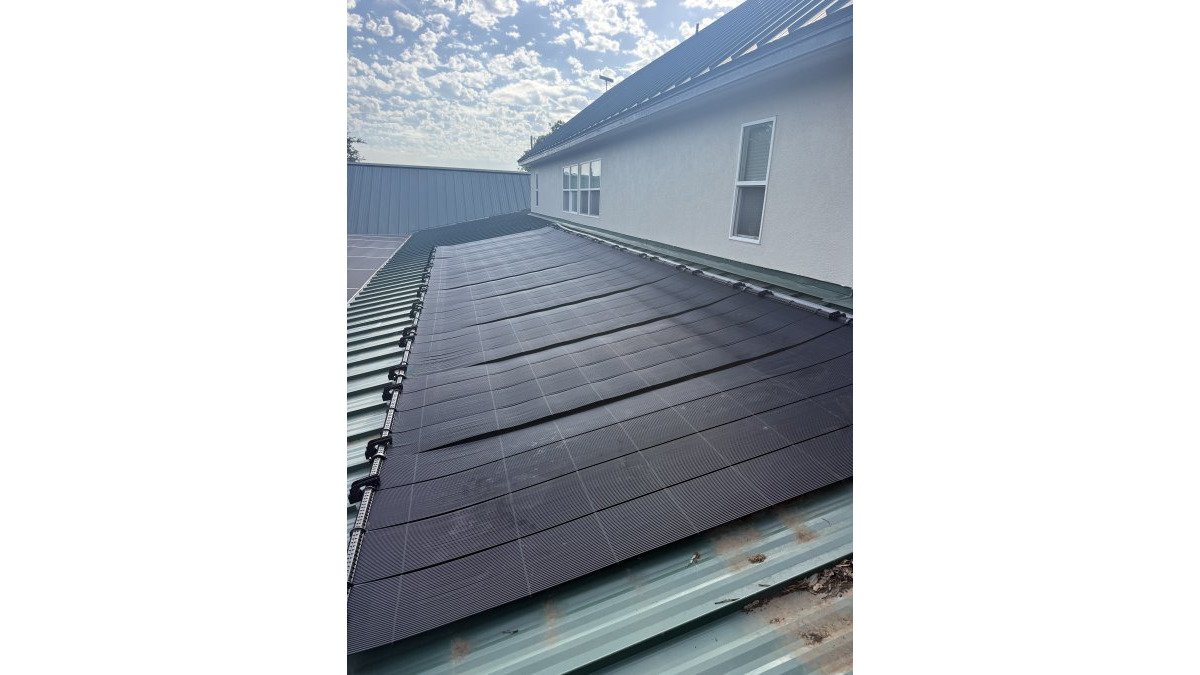
- Collectors. Solar collector panels absorb solar energy and transfer it to the water passing through.
- Plumbing and diverter valve. A diverter valve sends water to the collectors when heating is wanted and back to the pool when it is not. The length and insulation of this run affect how much heat reaches the pool.
- Controller. An automatic controller compares collector temperature to pool temperature and runs the diverter only when the panels can actually add heat. This is the component that protects the pool from being cooled on cloudy or cold days.
- Check valve and sensor. A check valve prevents backflow when the pump is off, and temperature sensors feed the controller the readings it needs.
How the controller decides when to heat
The controller's job is a simple comparison: if the collectors are hotter than the pool by a set margin, water is routed through them; if not, it bypasses them. This logic is what makes solar reliable across changing weather, the system heats when the sun is doing the work and steps aside when it is not. A well-set controller also runs the pump during the sunniest part of the day, when collector output is highest, rather than only during the pool's normal filtration window.
Integration with your existing equipment
Most systems tie into the existing pump and filter, which keeps the added equipment minimal. Homes with variable-speed pumps can usually run at lower speeds during solar heating, since the collectors add little head pressure. Homes with pool automation can often have the diverter controlled by the same app that runs the pump and lights. The main design decisions are where the collectors go, how the plumbing is routed to minimize heat loss, and how the controller is programmed for the pool's use pattern.
What determines how much heat you actually get
The heat delivered to the pool depends on collector area, sun exposure, air temperature, water flow, and whether a cover is used. A pool in full sun with collectors sized to its surface area will heat noticeably faster than a shaded pool with the same equipment.
Watch out: a system that is plumbed correctly but controlled poorly will run the pump through collectors that are cooler than the pool, which quietly cools the water and wastes pump energy, confirm the controller is set to heat only when the collectors are warmer.
Pool Types and Layouts That Suit Solar Heating
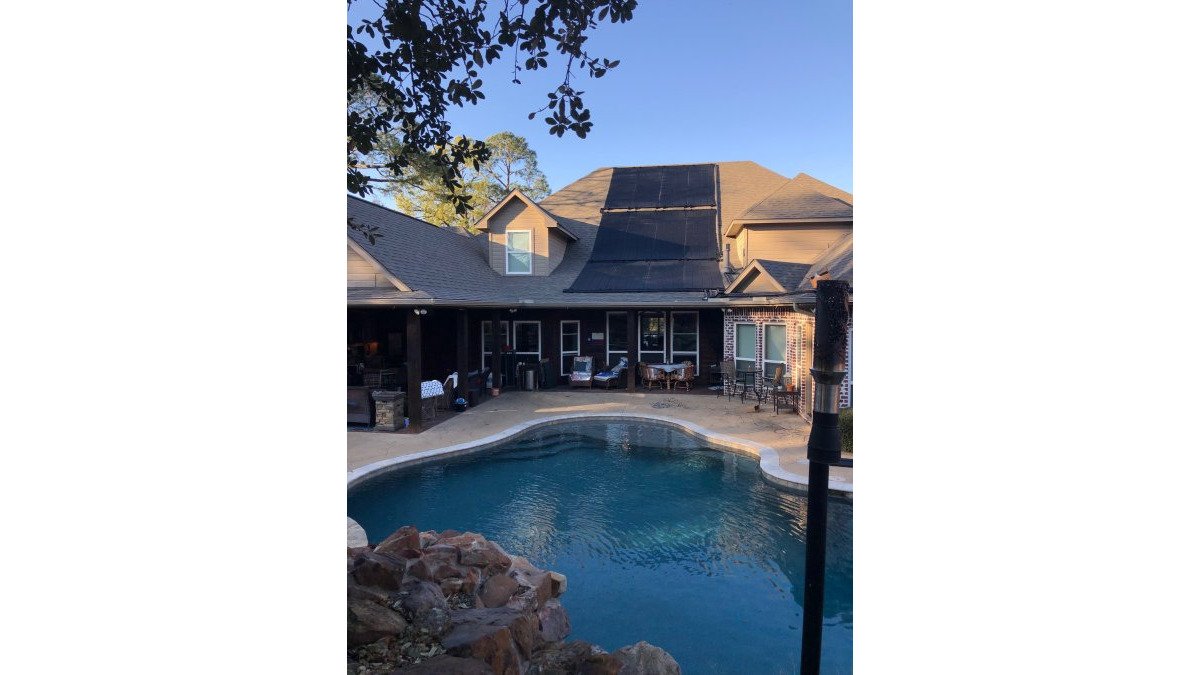
Most in-ground and above-ground pools can use solar heating, but the best results depend on the pool's size, shape, and location. Pools with generous sun exposure and a practical place to mount collectors usually perform best.
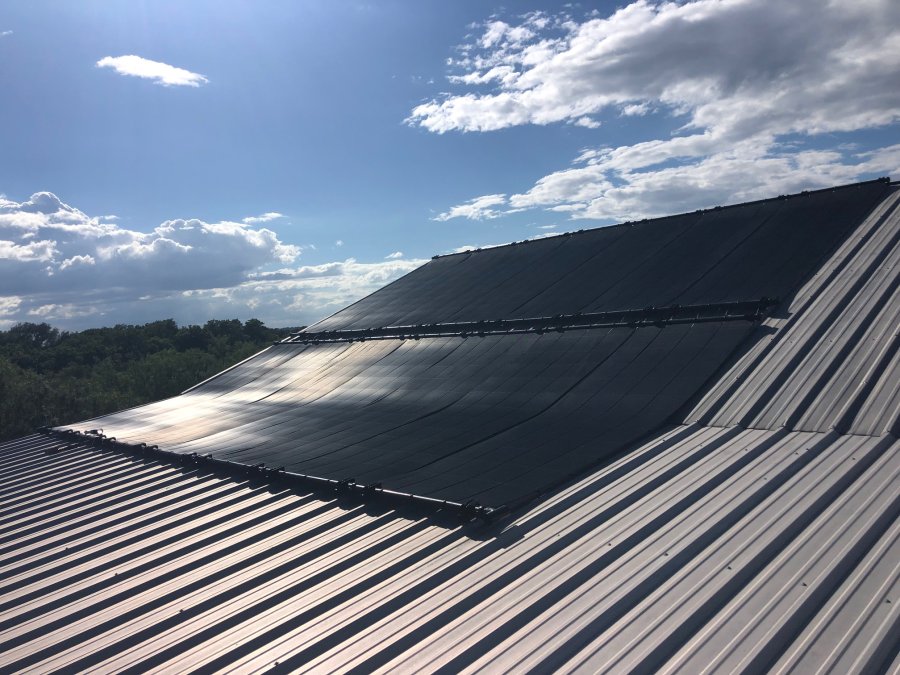
Older or oddly shaped pools can still be good candidates. The key questions are whether there is a suitable roof or ground area for collectors, how the plumbing can be routed, and how much sun the pool receives. A site assessment helps determine whether your specific layout will work well with solar.
Choosing a Texas Solar Pool Heating Provider
Pool owners considering solar heating can compare provider proposals on the same criteria, side by side, so the differences are visible.
The comparison criteria that actually matter
Ask each provider to put the following in writing, in the same format, so you can line the proposals up:
- Collector type and manufacturer. Unglazed collectors are the standard for pool heating in warm climates; glazed or evacuated-tube collectors cost more and are rarely necessary for a pool. Ask for the brand, model, and expected service life.
- Collector area versus pool surface area. A common sizing rule is that collector area should roughly match a meaningful fraction of the pool's surface area, adjusted for shade, target temperature, and whether a cover is used. A provider who cannot explain their sizing math is guessing.
- Mounting method and roof or ground layout. Roof-mounted, ground-rack, and fence-mounted systems each have trade-offs in sun exposure, plumbing run length, and wind loading. Ask how the layout was chosen for your property.
- Plumbing and controller details. The valves, diverter, and automatic controller determine how much heat actually reaches the pool. Ask what controller is included and whether it is automatic or manual.
- Warranty. Ask each provider for the warranty terms in writing.
- Service and repair response. Ask who handles repairs, how quickly, and whether emergency service is available.
- References from comparable pools. Ask for references from pools similar in size, shade, and layout to yours, not just any satisfied customer.
Questions that separate experienced providers from order-takers
A provider who has installed many systems in the region will answer these without hesitation:
- How did you calculate the collector area for my pool, and what target temperature did you assume?
- What happens to performance in spring and fall, when the shoulder-season gain matters most?
- How is the system integrated with my existing pump, filter, and any automation I already have?
- What is the expected service life of the collectors, and what does the warranty exclude?
- Who do I call if a valve sticks or a controller fails in the middle of swim season?
Watch out: a proposal that quotes a single collector count with no sizing rationale, no controller model, and no workmanship warranty is not comparable to one that does, treat the missing details as a red flag rather than a reason to negotiate.
Why local experience with regional conditions matters
Solar pool heating performance depends on local sun exposure, seasonal temperature swings, and how a pool is built and used. A provider with experience in the Texas market can account for these conditions when sizing and laying out a system.
Solar Pool Heating Texas provides residential and commercial solar pool heating installation and repair across the state, and we partner with SolarTEK to deliver energy-efficient solar technology. Our team offers a 100% satisfaction guarantee and is available 24/7 for emergency repairs. Our approach is to size each system to the property.
Request Your Free Solar Pool Heating Consultation
If you are ready to see what solar could do for your pool, the next step is a conversation about your property. Solar Pool Heating Texas offers a free consultation to review your pool, your roof or available space, and your goals for the swimming season. We will explain your options and recommend a system sized to fit your situation.
Frequently Asked Questions
Is solar pool heating better than gas or electric heating?
Solar pool heating uses sunlight rather than natural gas or electricity, which means no fuel purchases for the heat it collects. Gas heaters carry ongoing fuel bills, and electric heat pumps draw continuous power. Solar systems have no fuel to buy, and routine care centers on checks of the panels, valves and pump. Gas or electric heaters can still raise water temperature faster on a cold day, so many owners use solar as the primary heat source and keep the existing heater as backup.
Can solar pool heating extend my swimming season in Texas?
Yes. Solar pool heating can extend the swimming season by up to nine months, depending on sun exposure, pool size and how the system is set up. Texas's long, sunny stretches make it a strong fit for this kind of heating. Owners can keep water comfortable through spring and fall and enjoy the pool on cooler days. Actual temperature gains depend on the weather that year, so a consultation can estimate what to expect for a specific pool.
Does my older or oddly shaped pool work with solar heating?
Many older and irregularly shaped pools can use solar heating. What matters most is the available roof or ground space for the collector panels, the pool's filtration and plumbing layout, and how much direct sun the site receives. A site evaluation checks these factors and identifies any adjustments needed before installation. Solar Pool Heating Texas can review your specific pool during a free consultation.