 ultimate-guide
Solar Panels in Texas: Who Benefits and How to Choose
Quick Summary
Solar panels in Texas are a practical way to heat a pool without ongoing fuel use. Solar pool heating circulates water through rooftop or ground-mounted collectors, and it is designed to be low maintenance. The right size depends on pool surface area, temperature lift, season length, and roof exposure.
- Confirm enough unshaded roof or ground space for the collector size your pool needs.
- Collector area is commonly sized at a ratio near 0.5 to 0.75 of pool surface area for modest temperature lift.
- Colder shoulder seasons, shade, or a 10°F or greater target push the ratio toward 1.0 or higher.
- Get each quote's collector area, controller, bypass valve, and warranty terms in writing.
Table of Contents
- Why Texas Homeowners Are Looking at Solar Panels
- Best Solar Panels Texas Homeowners Consider
- How Solar Panels for Home Systems Are Sized
- Battery Storage, Backup Power and Roof Suitability
- Utility Buyback Plans and Contract Fine Print
- Solar Panels Texas for Sale: Comparing Quotes Side by Side
- Booking Your Solar Pool Heating Consultation
- Frequently Asked Questions
Why Texas Homeowners Are Looking at Solar Panels
Last Updated: November 5, 2026
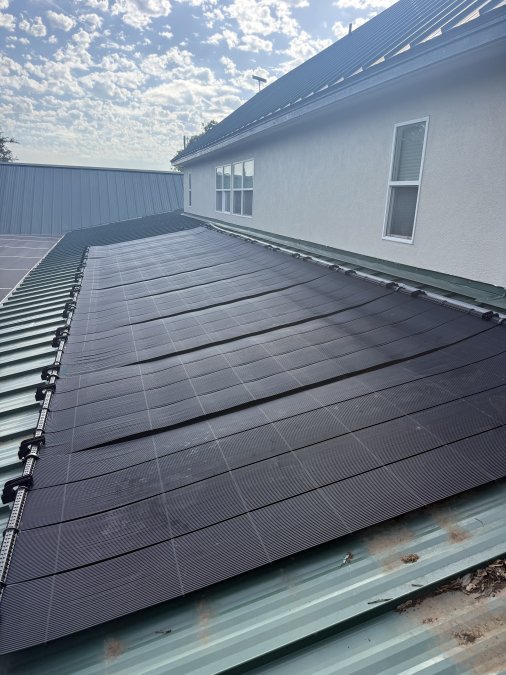
Texas homeowners are paying closer attention to solar pool heating than ever. Many pool owners ask whether solar is the smarter way to heat a pool. Solar pool heating needs no fuel and is designed to be low maintenance, and it can reduce energy use over time.
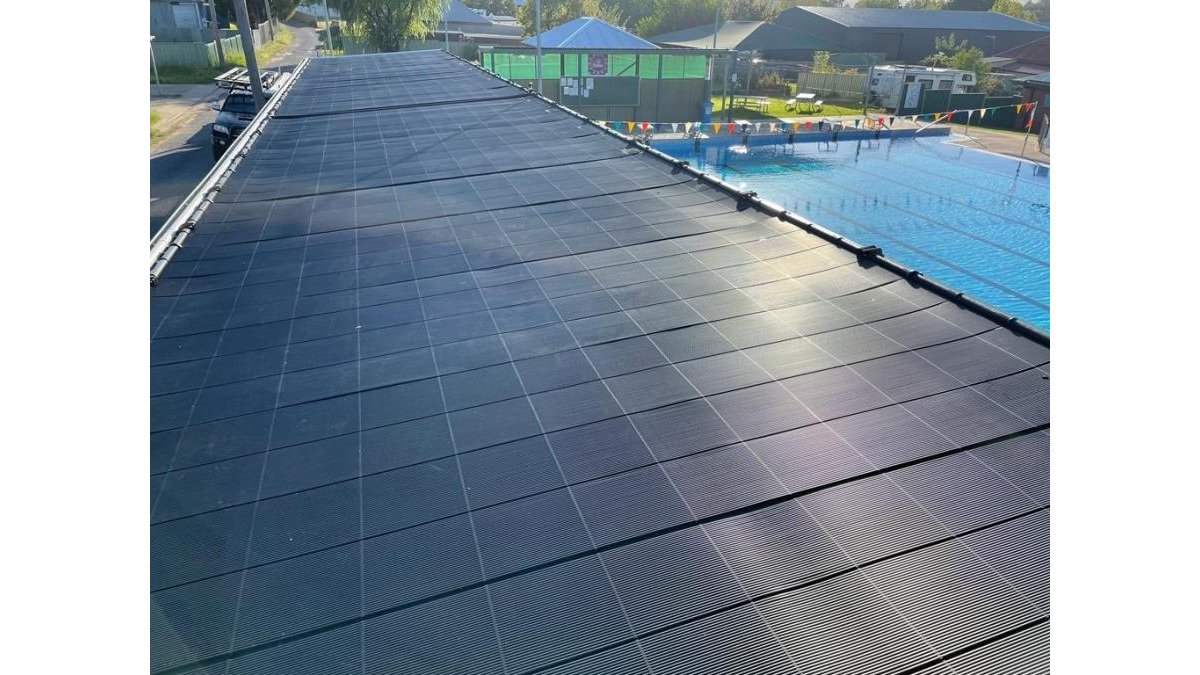
A solar panel converts sunlight into electricity or heat, depending on the system. Solar pool heating uses rooftop or ground-mounted collectors to warm pool water directly as it circulates through the panels. For a side-by-side look at how a solar pool heater compares to a heat pump, see solar pool heater vs heat pump. The result is a simple system that works with the sun Texas already provides.
Several factors draw Texas homeowners toward solar. Energy costs also matter, since heating a pool with gas or electric equipment adds a recurring expense every season. Many owners also want a cleaner option that reduces their household's environmental footprint.
The strongest case for solar pool heating often comes from homeowners who already have a pool and want to use it longer each year. Extending the swimming season without burning fuel is a straightforward goal, and solar makes that goal practical.
U.S. Department of Energy overview of solar energy
!Homeowner in a sunny Texas backyard beside a pool, rooftop solar panels visible behind the house
Best Solar Panels Texas Homeowners Consider
The right choice depends on your pool size, roof layout, and how much heat you want. Most Texas homeowners compare a few core options: rooftop solar pool collectors, ground-mounted collectors, and hybrid setups that pair solar with a backup heater.
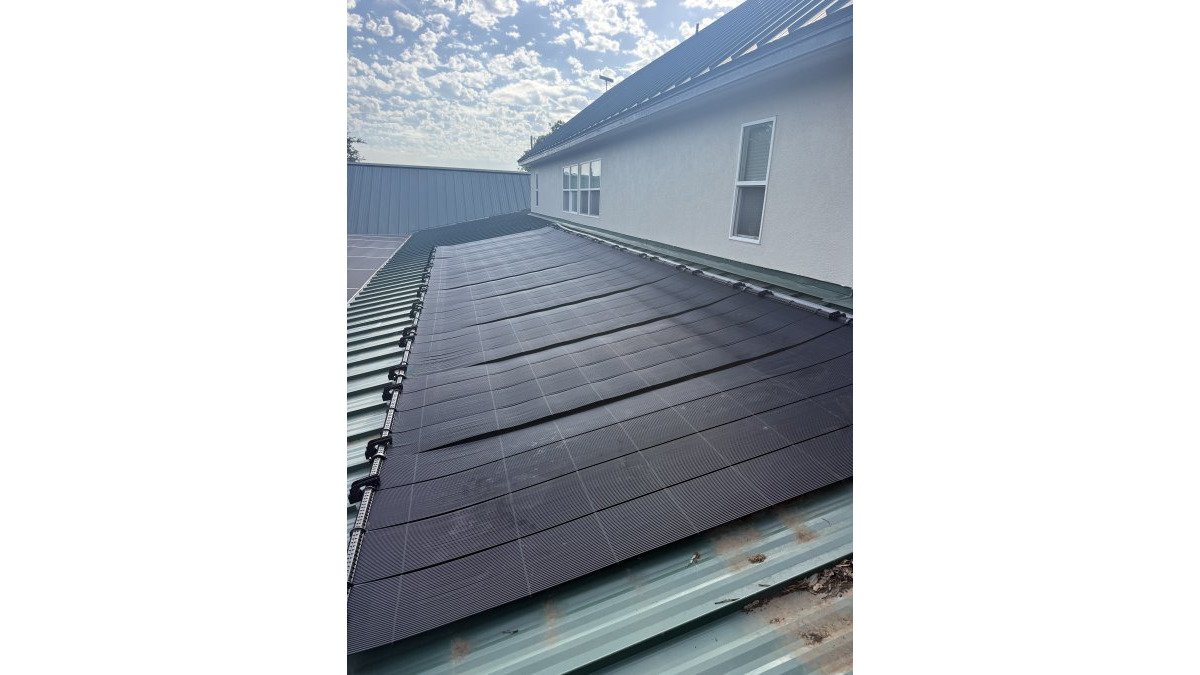
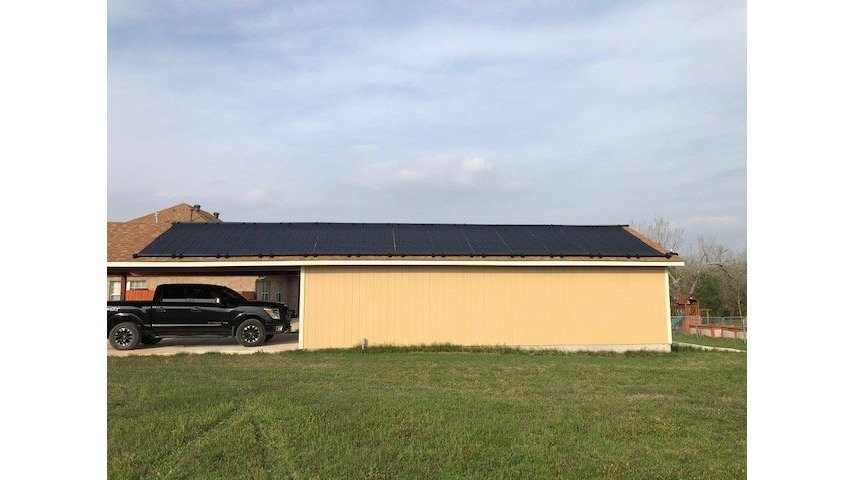
Rooftop collectors suit homes with a south- or west-facing roof that has enough open space. Ground-mounted collectors work well when the roof is shaded, steeply pitched, or too small. Hybrid systems add a conventional heater for cloudy stretches, which keeps the pool usable in less favorable weather.
When you compare options, focus on these points:
- Roof or ground space: Confirm there is enough unshaded area for the collector size your pool needs.
- Pool size: Larger pools need more collector area to reach a comfortable temperature.
- Backup needs: Decide whether you want a heater for overcast periods or prefer solar-only operation.
- Warranty and installation support: Ask what is covered and who handles service if something goes wrong.
Solar Pool Heating Texas works with SolarTEK to deliver solar pool heating for residential and commercial pools across Texas.
How Solar Panels for Home Systems Are Sized
Sizing a solar pool heating system starts with the water, not the house. A pool heating collector array is generally matched to the pool's surface area, the temperature lift you want, and how long you want to swim each season.
The core rule most practitioners use is a collector-area-to-pool-surface-area ratio. In a sunny, warm climate, a ratio near 0.5 to 0.75 (collector square feet divided by pool surface square feet) is a common starting range for modest temperature lift. Colder shoulder seasons, a shaded site, or a target of adding 10°F or more push the ratio toward 1.0 or higher. A pool that is used year-round in a milder region needs more collector area than a pool used only in summer.
Work through the numbers in this order:
- Surface area: Multiply length by width for a rectangular pool. For a freeform pool, break it into rectangles and triangles and add them. Surface area drives heat loss, so it is the anchor number.
- Volume: Multiply surface area by average depth. Volume tells you how much water must be warmed and how long the system runs to recover temperature after a cool night.
- Temperature lift: Decide the target temperature and the typical overnight low. A pool that loses 5°F overnight needs less collector area than one that loses 12°F.
- Season length: A pool used from March through October needs more collector area than one used June through August, because shoulder-month sun is weaker and air temperatures are lower.
- Site exposure: Note shade from trees, roof pitch, and orientation. South- and west-facing roofs collect the most sun; east-facing and heavily shaded roofs reduce output and require more area.
- Backup plan: Decide whether a conventional heater will cover cloudy stretches or whether the pool will run solar-only. A backup changes the sizing target because the solar array no longer has to carry the full load.
Ask any installer to explain the sizing assumptions behind a recommendation, including the temperature lift, the season length, and how shade and roof orientation were considered.
To understand how heat moves from collector to pool, read How a Solar Pool Heater Works: The Full Water Cycle. For a broader look at how solar pool heating works across the state, see How Solar Pool Heating Works in Texas: 2026 Guide.
National Renewable Energy Laboratory solar resource data
The article breaks sizing into a few key inputs, summarised below.
| Factor | What to check | Why it matters |
|---|---|---|
| Surface area | Length × width, or rectangles and triangles for freeform | Anchors heat loss |
| Volume | Surface area × average depth | Sets how much water must be warmed |
| Temperature lift | Target temperature vs. overnight low | Larger drop needs more collector area |
| Season length | Months the pool is used | Shoulder months need more area |
| Site exposure | Shade, roof pitch, orientation | South and west roofs collect most sun |
| Backup plan | Heater for cloudy spells or solar-only | Changes the sizing target |
Battery Storage, Backup Power and Roof Suitability
Solar pool heating does not require batteries. The system heats water as it circulates, so stored electricity is not part of the design.
Roof suitability affects performance. Look for a roof that receives strong direct sun for most of the day, with minimal shade from trees or neighboring structures. The roof pitch, condition, and orientation all influence how well collectors will perform.
Utility Buyback Plans and Contract Fine Print
Utility buyback plans apply to electricity sent back to the grid from solar electricity systems, not to solar pool heating, which uses the sun's heat directly.
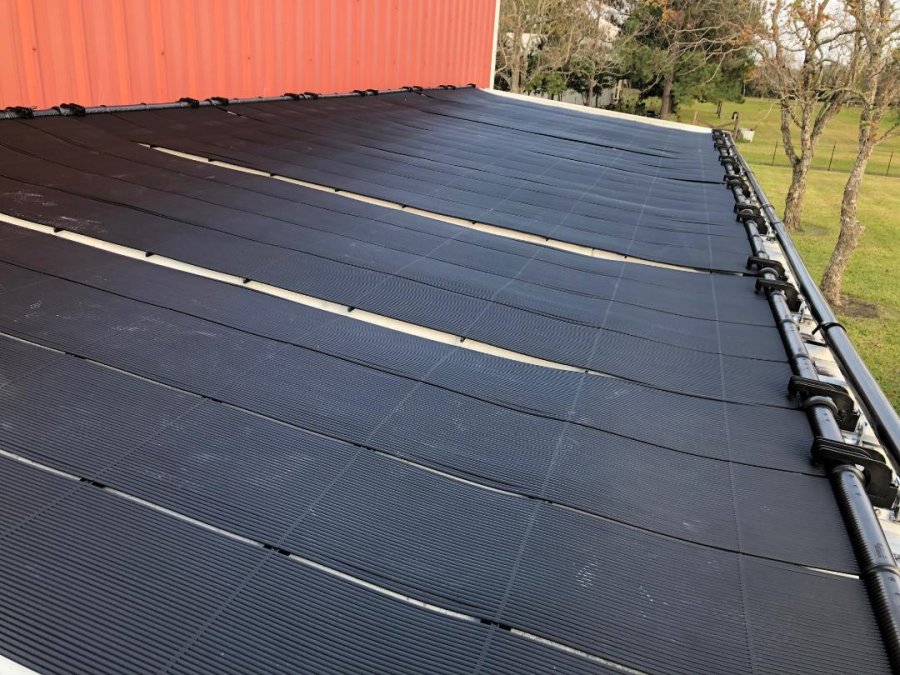
Before you sign any contract, check these items in writing:
- Exactly which equipment is included and which is optional
- Installation scope, including roof work and plumbing connections
- Warranty length and what it covers
- Service response time and who performs repairs
- Any conditions that could change the final scope or timeline
Solar Pool Heating Texas is available 24/7 for emergency repairs and offers a 100% satisfaction guarantee.
Federal Trade Commission guidance on home improvement contracts
To learn how to vet a provider before you commit, see How to Choose a Pool Heating Contractor: 7-Step Guide.
Solar Panels Texas for Sale: Comparing Quotes Side by Side
Quotes for solar pool heating can look similar at the headline and differ underneath, so compare each line item before judging a proposal.
Build a comparison sheet with one column per provider and these rows:
- Collector count and area: Total square feet of collector, not just panel count. Confirm the collector-area-to-pool-surface-area ratio each provider used.
- Collector type and mounting: Roof-mounted, ground-mounted, or a mix. Note the mounting hardware and whether roof penetrations are sealed and flashed.
- Plumbing and valves: Pipe size, valve count, and whether a bypass is included so the pool can run without the collectors.
- Controller and sensors: Whether an automatic controller with pool and collector temperature sensors is included, and whether it is programmable.
- Backup heater: Whether a conventional heater is included, optional, or excluded.
- Installation labor: What is in scope, including roof work, trenching for ground mounts, and electrical connections for the controller.
- Warranty: Separate equipment warranty from workmanship warranty, and note the length and what each covers.
- Service terms: Who performs repairs, response time, and whether service is local.
- Timeline: Days from signed agreement to operation, and what could shift it.
A common pattern is that the lowest headline proposal omits the controller, the bypass valve, or the workmanship warranty, and the gap only appears when the rows are filled in. Ask each provider to state the ratio and the assumed temperature lift behind their sizing, and to put the equipment model numbers in writing.
For a step-by-step process to request consistent quotes from providers, read How to Get a Solar Pool Heating Quote: Step-by-Step. To learn how to vet a provider before you commit, see How to Choose a Pool Heating Contractor: 7-Step Guide.
Booking Your Solar Pool Heating Consultation
Solar pool heating is a practical way to extend your swimming season, reduce energy costs, and keep your pool warm without ongoing fuel use. The right system starts with an accurate look at your pool, roof, and goals.
Solar Pool Heating Texas offers a free consultation. Our team serves residential and commercial pools across Texas.
Get A FREE Consultation with Solar Pool Heating Texas to see how solar can warm your pool for more of the year.
Frequently Asked Questions
Are solar panels worth it for Texas homeowners?
For many Texas homeowners, solar panels are worth considering because the state gets abundant sunshine and electricity bills can be high during long summers. Whether a system pays off depends on your roof orientation, shading, household energy use, the buyback terms offered by your utility and the quote you receive. Compare the total upfront cost against projected savings over the system's life, and ask any installer to show their assumptions in writing so you can check them yourself.
Can solar panels help during a power outage?
A standard grid-tied solar system typically shuts down during an outage for safety reasons, so it will not power your home on its own. Adding battery storage with the right inverter setup can provide backup power for essential loads. Ask any installer whether a proposed system includes backup capability and what circuits it would cover.
How do I choose the best solar panels for a Texas home?
Start by reviewing panel efficiency, warranty length, the reputation of the manufacturer and the installer's experience with Texas roofs and utilities. Request a detailed quote that lists equipment, system size in kilowatts and estimated annual production. Comparing these items side by side makes it easier to see which option fits your roof and budget.