 how-to
Commercial Solar Pool Heating System Installation Guide
Table of Contents
- Why Commercial Properties Are Switching to Solar Pool Heating
- How a Commercial Solar Pool Heating System Works
- Solar Pool Heater Sizing for Commercial Pools
- The Solar Pool Heating Installation Process, Step by Step
- Commercial Pool Heating Alternatives Compared
- Solar Pool Heating System Maintenance and Controls
- Frequently Asked Questions
Last Updated: October 17, 2026
Why Commercial Properties Are Switching to Solar Pool Heating
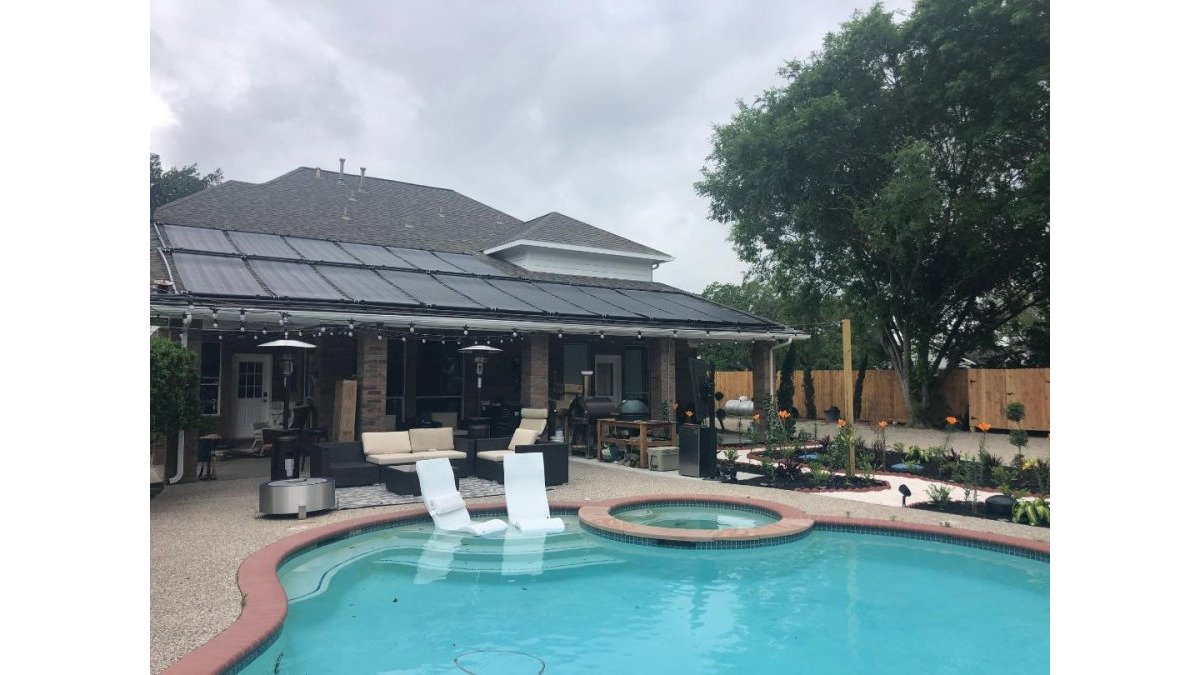
Commercial solar pool heating is the practice of using roof-mounted solar collectors to warm a large pool's water without gas or electric heaters.
The math is simple. A gas heater burns fuel every hour the pool runs. A solar heating system collects free sunlight and holds it in the water. Once installed, the system needs no fuel.
Texas pool owners are choosing solar over gas and electric for three reasons:
- Energy costs disappear. The sun does the heating, not the utility company.
- The system pays for itself. With no fuel bill, the savings add up fast.
- It lasts for decades. Collectors have no moving parts to wear out.
For a commercial property, that means predictable comfort without a runaway energy bill. Guests swim in warm water, and managers stop watching the meter.
How a Commercial Solar Pool Heating System Works
A commercial solar pool heating system moves pool water through solar collectors on the roof, warms it with sunlight, and returns it to the pool. The pool pump does the work. No separate heater is needed.
Here is the basic flow:
- The pool pump pulls water from the pool.
- Water passes through the filter first.
- A valve sends the filtered water up to the solar collectors.
- Sunlight heats the water inside the collectors.
- Warm water flows back to the pool through the return line.
The system runs on the existing pump, so there is no second motor to power or maintain.
Collectors, Pump, Filter, and Return Line
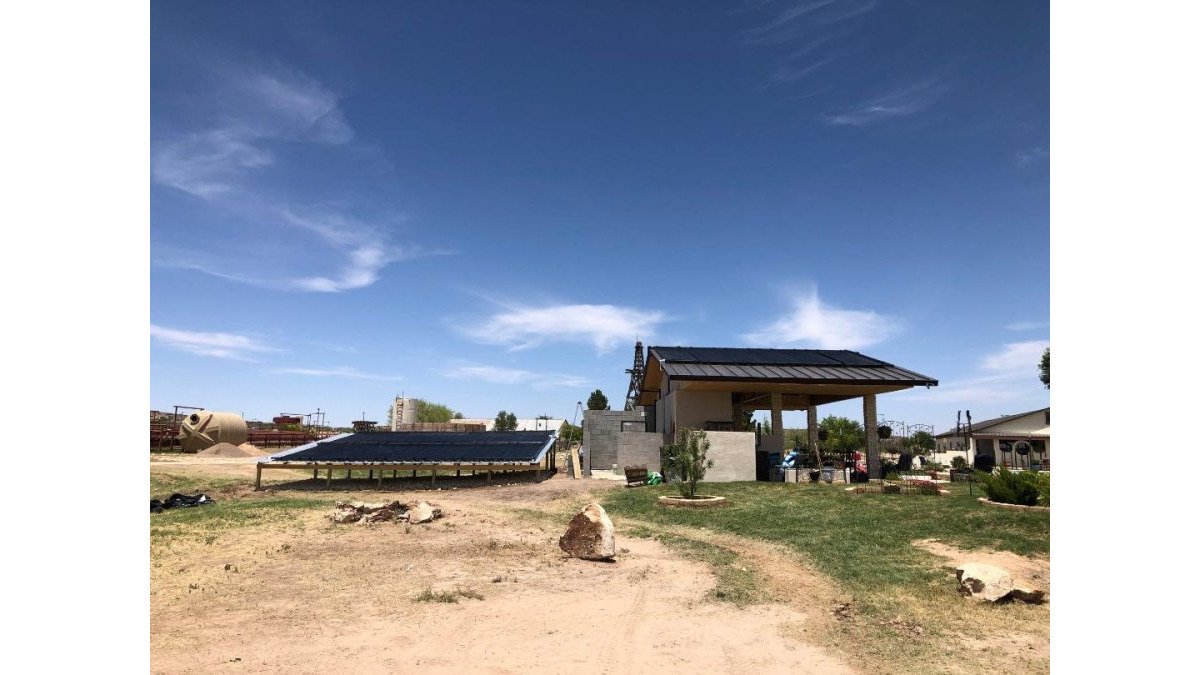
Solar collectors are the panels that absorb sunlight. They sit on a roof or another sunny surface and hold the water as it heats.
The pool pump pushes water through the whole loop. On a commercial pool, the pump is already sized for the water volume, so the solar loop simply ties in.
The filter cleans the water before it reaches the collectors. Clean water protects the panels from debris.
The return line carries warm water back to the pool. It connects to the pool's existing plumbing so the warmed water mixes evenly.
Solar Pool Heater Sizing for Commercial Pools
Solar pool heater sizing for a commercial pool is not a panel-count guess. It is a heat-load calculation: how much energy the pool loses each day versus how much the collectors can deliver. Residential rules of thumb do not scale to a hotel or gym, because commercial pools run longer hours, hold more gallons, and often sit under different wind and shade conditions.
The Heat-Load Calculation, Step by Step
A proper commercial sizing exercise works through five inputs:
- Pool surface area. Evaporation and convection happen at the surface, so surface area drives most of the heat loss. A large rectangular lap pool and a freeform resort pool with the same volume can have very different surface areas, and very different losses.
- Water volume. Gallons determine how much energy it takes to raise the pool one degree. More water means more collector area to hit the same target temperature.
- Desired temperature and setpoint. A therapy pool held at a warmer setpoint needs more collector area than a lap pool kept cooler. The gap between the target and the natural equilibrium temperature is what the collectors must close.
- Climate and season. Ambient air temperature, wind speed, humidity, and night-time temperature swings all change the loss rate. A system sized for summer will underperform in the shoulder months when guests still want to swim.
- Operating hours and bather load. A commercial pool that runs 14 hours a day with heavy bather load loses heat faster than a lightly used one. Filtration run time also sets how many hours the solar loop can actually circulate water through the collectors.
Collector-to-Surface Ratio in Practice
Most practitioners size commercial collector area as a ratio of pool surface area, then adjust for climate and target temperature.
A useful sanity check: estimate the daily heat loss from surface area, wind exposure, and the target-to-ambient temperature difference, then confirm the collectors can deliver that many BTUs during the hours the pump actually runs. If the collectors cannot cover the loss during available sun hours, the system is undersized no matter how many panels are on the roof.
Why Commercial Sizing Differs From Residential
- Longer run times. Commercial pumps often run most of the day, which gives the solar loop more hours to collect, but also means the pool is losing heat for more hours.
- Higher bather loads. More people means more splashing, more evaporation, and more heat carried away.
- Shoulder-season demand. Hotels and resorts want warm water in months when a residential owner might close the pool, so the system must be sized for the coolest month the property intends to operate.
- Multiple bodies of water. A facility with a lap pool, a spa, and a children's pool may need separate zones or a prioritized flow strategy rather than one uniform collector array.
A heat-load calculation matches collector area to the pool's real demand, and it is the step most often skipped when a facility tries to copy a residential layout. Guessing at panel count is the most common mistake we correct on commercial assessments.
The Solar Pool Heating Installation Process, Step by Step
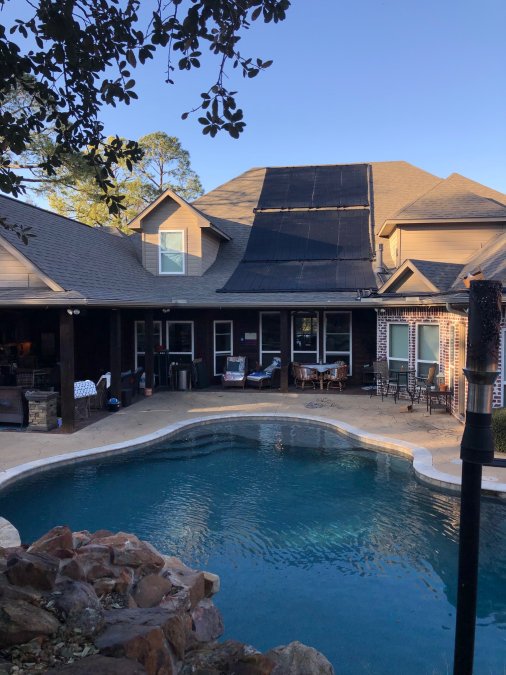
The solar pool heating installation process follows a clear sequence: assess the site, lay out the panels, run the pipework, connect to the pump, and test the flow. A commercial job takes planning, but each step is straightforward.
Site Assessment and Panel Layout
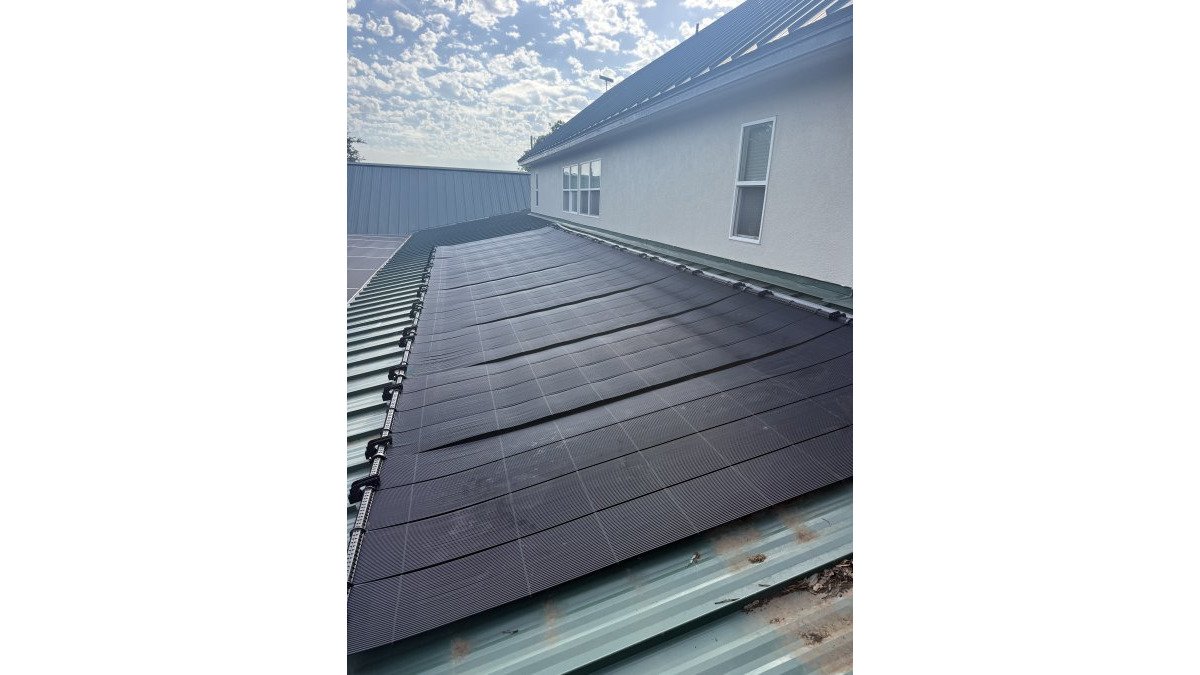
First, we check the site. The roof needs strong sun and enough open space for the collectors. We map shade through the day and confirm the roof can carry the panels.
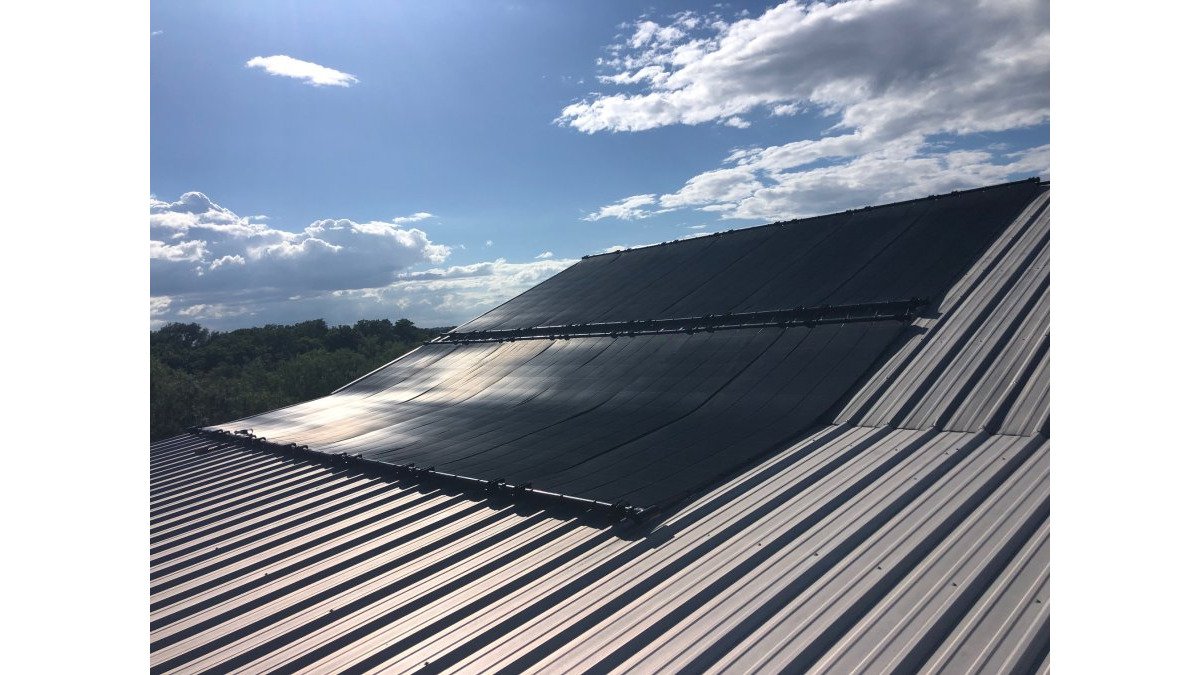
Then we plan the panel layout. Panels go in rows with even spacing so water flows smoothly and no section runs dry. A good layout keeps the pipe runs short, which protects water flow and heating performance.
Plumbing, Valves, and Connecting to the Pool Pump
Next comes the plumbing. We run PVC pipe from the pool equipment up to the collectors and back. Pipe fittings are glued and pressure-tested so nothing leaks.
A bypass valve lets the system switch between solar heating and normal circulation. When the pool is warm enough, water skips the collectors. When it needs heat, the valve sends water up top.
Finally, we connect to the pool pump, start the flow, and check every joint. Water should move through the collectors with steady pressure and no air pockets.
Commercial Pool Heating Alternatives Compared
Commercial pool heating alternatives come down to three main choices: solar collectors, gas heaters, and electric heat pumps. Each can warm water, but they differ in how they run, how they integrate with existing equipment, and how they behave over a long commercial season.
| Option | How It Heats | Operating Profile | Upkeep |
|---|---|---|---|
| Solar collectors | Sunlight warms water in roof-mounted panels | Free fuel; output tracks sun hours | Very low, no burner, no compressor |
| Gas heater | Burns fuel to heat water on demand | High fuel use that rises with every hour the pool runs | Regular service on burner and controls |
| Electric heat pump | Moves heat from ambient air into the water | Moderate to high electricity use; efficiency drops in cold air | Regular service on compressor and refrigerant circuit |
Where Solar Pulls Ahead on a Commercial Site
Gas and electric heaters both carry a monthly bill that grows with every hour the pool runs. A hotel or gym heats water every day of the season, so that bill compounds. Solar turns the daily fuel cost into a one-time setup: once the collectors are in place, sunlight is free, and the system has no burner, compressor, or fuel line to service.
Solar also pairs well with existing equipment. The collectors tie into the pool's current pump, filter, and return line, and a controller and bypass valve let the system switch between solar heating and normal circulation automatically.
Integration With Existing Equipment
- Controls and sensors. A differential controller reads pool temperature and collector temperature and decides when to route water to the roof. When the collectors are warmer than the pool, water flows up; when they are not, it bypasses.
- Bypass and check valves. A bypass valve isolates the collector loop for service, and a check valve prevents backflow when the pump shuts off.
- Filtration compatibility. Water should pass through the filter before the collectors, so the panels stay clear of debris and the filter keeps doing its job.
- Backup-heater coordination. A gas or heat-pump backup can be set to run only when solar cannot meet the setpoint, so the two systems do not fight each other.
For a commercial pool that runs long hours, the difference is not just the fuel line item, it is the whole operating profile. Solar shifts the cost to a one-time installation and lets the sun do the daily work.
Solar Pool Heating System Maintenance and Controls
Solar pool heating system maintenance is minimal. There is no burner, no compressor, and no fuel line.
Routine care is simple:
- Keep the collectors clear of leaves and debris.
- Check the filter on schedule, as you already do.
- Watch for leaks at pipe joints after storms.
- Confirm the bypass valve switches correctly each season.
Controls make the system easy to run. A controller reads pool temperature and decides when to send water to the collectors. When the pool is warm, it bypasses them.
This is why solar pool heating needs no maintenance in the usual sense. You are not servicing a heater.
If something ever does need attention, our team is available 24/7 for emergency repairs, backed by our 100% satisfaction guarantee.
Heating a commercial pool should not mean watching energy costs climb every month.
Frequently Asked Questions
How do you size a solar pool heating system for a commercial pool?
Sizing starts with the pool's surface area and the target temperature rise, not the pool's volume alone. A commercial system needs enough collector area to offset heat loss from a large, often windy deck and to recover temperature after heavy use. Engineers calculate the heat load from surface area, water temperature goal, and local sun hours, then add collector rows and pump capacity to match. Undersizing is the most common mistake, so size for the busiest, coolest weeks rather than the average.
How does a commercial solar pool heating system connect to the pool's circulation system?
The collectors tie into the existing pump, filter, and return line through a bypass valve assembly. Water flows from the filter, through the solar collectors when heating is called for, and back to the pool. A controller opens and closes the bypass valve based on collector temperature and pool temperature, so the system only heats when the sun can actually add warmth. Proper PVC pipe sizing and valve placement keep water flow steady and protect the pump.
What are the alternatives to solar pool heating for commercial properties?
Gas heaters warm quickly but carry ongoing fuel costs that scale with heavy commercial use. Heat pumps run efficiently in warm air but lose performance in cold weather and draw significant electricity. Solar pool heating uses the sun as its fuel source, needs no maintenance beyond occasional checks, and pays for itself over time. For Texas properties with steady sun and long operating seasons, solar is a smart way to heat a pool.
How long does commercial solar pool heating system installation take?
Timelines depend on system size, roof access, and how much plumbing runs across the property. A small commercial system can be completed in a few days, while larger hotel or resort installations with extensive panel layouts and long pipe runs take longer. Site assessment, panel layout, and plumbing connections drive most of the schedule. A professional installer can give a realistic timeline after reviewing the site.