 blog
SolarTEK vs Sunrise Solar Alternatives: 2026 Guide
Table of Contents
- Why Pool Owners Search for SolarTEK vs Sunrise Solar Alternatives
- Solar Pool Heating System Comparison: What Actually Matters
- SolarTEK and Sunrise Solar: How the Two Providers Compare
- Solar vs. Gas Pool Heater: Which Makes Sense for Your Pool
- Solar Pool Heater Alternatives Beyond the Big Names
- Solar Pool Heater Maintenance: What to Expect Over Time
- Choosing a Solar Pool Heater Provider: A Decision Framework
- Conclusion: Making the Right Choice for Your Pool
- Frequently Asked Questions
Last Updated: October 12, 2026
Why Pool Owners Search for SolarTEK vs Sunrise Solar Alternatives
Homeowners comparing SolarTEK vs Sunrise Solar alternatives usually start with the same goal: keep the pool warm longer without watching the utility bill climb every month. This guide from Solar Pool Heating Texas walks through what actually separates one solar pool heating provider from another, which equipment choices matter, and how to judge installation quality before you commit.
Here's the part most guides get wrong: the brand name on the truck matters far less than who climbs on your roof and how the system is sized for your pool. A well-matched system installed by an in-house crew will outperform a bigger-name system installed by whoever was available that week.
The good news is that solar pool heating has a short list of moving parts, and once you know what to look at, the comparison gets simple fast. Below, we break down collector types, installation practices, and a decision framework you can run in an afternoon.
Solar Pool Heating System Comparison: What Actually Matters
Three factors decide how well a solar pool heating system performs: collector type, system sizing, and installation quality. Everything else is secondary.
Collector Type and Panel Selection
Most residential systems use either unglazed or glazed collectors. Unglazed panels cost less, handle freeze cycles well, and suit the long swim seasons common across Texas. Glazed collectors hold heat better in cooler air but add weight and complexity. A solar pool heating system comparison should always start here, because the collector type sets your realistic temperature gain.
Installation Quality and Workmanship
Panel placement, roof orientation, and plumbing runs determine whether a system delivers at its rated capacity. In-house installers who do this work daily tend to get the details right: proper flow rates, secure mounting, and clean plumbing that won't leak after the first season. Subcontracted crews can be excellent, but the quality varies by whoever shows up.
SolarTEK and Sunrise Solar: How the Two Providers Compare
Most pages that rank for this query never actually compare the two names in the title. They list generic solar-buying advice and leave you to guess. This section does the opposite: it walks through the specific factors that separate SolarTEK and Sunrise Solar in practice, and it tells you exactly what to verify on your own before you sign anything.
What Each Name Is Known For
SolarTEK is a solar pool heating equipment manufacturer. Its collectors and system components are installed by a network of independent dealers and contractors across the country, including here in Texas.
Sunrise Solar is a solar energy provider that has operated in the residential and commercial space, with a footprint that has shifted over the years and a service area that does not cover every market.
That distinction matters. One name describes a product; the other describes a company. Comparing them directly means comparing the equipment you would actually get against the installer who would actually show up.
Side-by-Side Evaluation Framework
Use this table as your working checklist. Fill in the right-hand column with what each provider tells you in writing, not what a sales rep says on the phone.
| Factor | What to Verify | Why It Matters |
|---|---|---|
| Equipment line | Exact collector model, glazed or unglazed, manufacturer spec sheet | Determines realistic temperature gain and freeze tolerance |
| System sizing | Collector square footage matched to your pool volume and surface area | Undersized systems never reach target temperature |
| Installer identity | Named crew, in-house employees vs. subcontracted labor | Drives accountability when something needs fixing |
| Warranty terms | Equipment coverage, workmanship coverage, exclusions, transferability | Protects you for the life of the system |
| Service model | Who answers the phone, response window, emergency availability | Determines downtime when a leak or control failure happens |
| References | Two pools similar in size and shape, with contact info | Real-world performance beats any brochure |
The Question That Separates Them
Ask both providers the same question: "Who will physically install this system, and are they your employees?"
SolarTEK equipment can be installed by any authorized dealer, so the answer depends entirely on which dealer you hire. Some dealers run trained in-house crews; others hand the job to whichever subcontractor is available that week.
This is why the brand name on the panel matters less than the crew on your roof. A well-sized SolarTEK system installed by a trained in-house team will outperform the same equipment installed by a rotating cast of subcontractors, and it will hold up better through Texas summers and the occasional freeze.
What to Do With This Comparison
If SolarTEK equipment is available in your area through a dealer with in-house crews, that combination gives you a known equipment line plus a single point of accountability. If Sunrise Solar is not actively installing in your market, the more useful comparison is between SolarTEK and whichever regional provider actually services your address.
Either way, run the table above against every quote you receive. The provider that answers all six rows clearly, in writing, is the one worth hiring.
Solar vs. Gas Pool Heater: Which Makes Sense for Your Pool
Solar wins on operating cost and maintenance, while gas delivers faster heat on demand. For most pool owners in Texas, the deciding factor is how often you actually swim and how long you want the season to run.
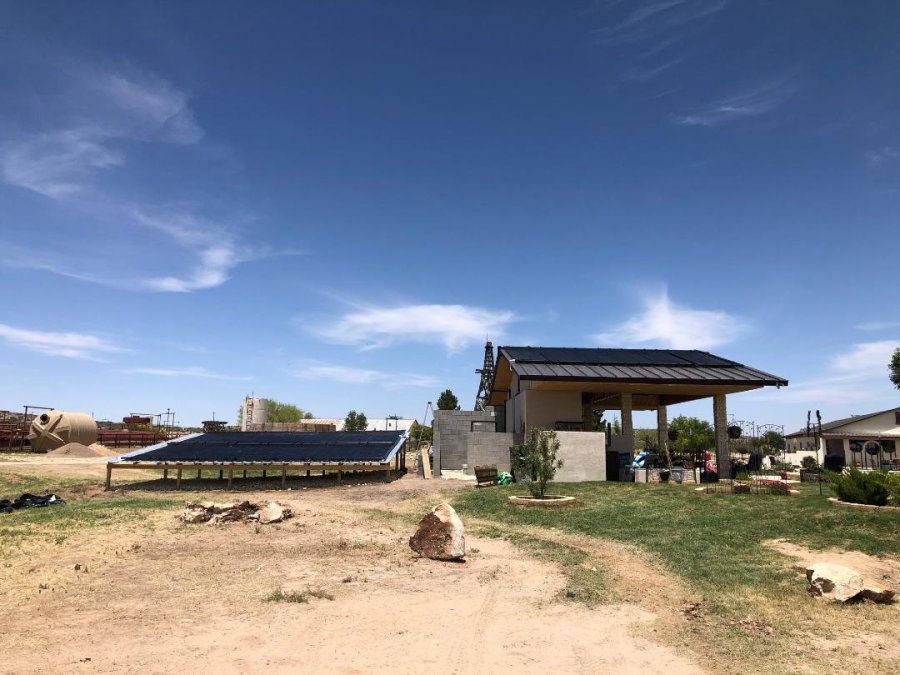
A solar vs. gas pool heater decision usually comes down to usage patterns:
- Solar: no fuel cost, minimal moving parts, extends the season by months
- Gas: heats quickly, but burns fuel every time it runs
- Heat pump: efficient in warm air, but still draws electricity
Solar pool heating needs no routine maintenance beyond occasional checks, and it pays for itself quickly by cutting the energy bill. That's why more Texas pool owners are moving away from gas and electric heating.
Solar Pool Heater Alternatives Beyond the Big Names
The best-known names in solar pool heating are not your only options, and in many Texas markets they are not the best ones. National brands often subcontract installation to local crews, which means the company you signed with is not the company on your roof. Regional providers that install the same core equipment with their own trained crews frequently deliver better service and faster response times.
When you evaluate solar pool heater alternatives, run every provider through the same verification checklist. This is the part most comparison articles skip.
Installer Verification Checklist
Ask each provider for the following, and get the answers in writing:
- Installer identity. Are the installers direct employees or subcontractors? Ask for the crew lead's name and how long they have worked for the company.
- Equipment specification. Which collector model, glazed or unglazed, and what is the manufacturer's rated output per square foot? Ask for the spec sheet, not a verbal summary.
- System sizing method. How was the collector area calculated for your pool? A proper sizing uses pool surface area, volume, and your target temperature, not a rule of thumb.
- Warranty terms. What does the equipment warranty cover, what does the workmanship warranty cover, what is excluded, and is coverage transferable if you sell the home?
- Service response. Who answers the phone after installation, what is the typical response window, and are emergency repairs handled outside business hours?
- References. Two homeowners with pools similar in size and shape to yours. Ask them how long repairs took, not just whether they are happy.
Why Regional Providers Often Win
A regional provider that installs solar pool heating every week develops pattern recognition that a generalist contractor never will. They know how local roof pitches, shading patterns, and seasonal temperature swings affect system performance. They stock replacement parts for the equipment they install.
That last point is the one that matters most over the life of the system. Solar pool heating has very few moving parts, so breakdowns are uncommon, but when a leak or control failure happens, the difference between a provider with in-house service and one that has to locate a subcontractor is measured in days, not hours.
The Bottom Line on Alternatives
Do not choose a provider because the name is familiar. Choose one because it can answer all six checklist items clearly, because it installs with its own crews, and because it services what it sells. A smaller regional provider that meets those three tests will almost always outperform a national name that subcontracts every job.
Solar Pool Heater Maintenance: What to Expect Over Time
Solar pool heating is a low-maintenance system. There's no fuel to burn and no compressor to wear out, so upkeep mostly means keeping panels clean and checking connections seasonally.
Solar pool heater maintenance typically involves:
- Rinsing panels a few times a year to clear dust and debris
- Checking plumbing connections and mounting hardware each season
- Monitoring flow and temperature to catch small issues early
Because the system has so few moving parts, breakdowns are uncommon. When something does need attention, a provider available around the clock makes the difference between a day of downtime and a week.
Choosing a Solar Pool Heater Provider: A Decision Framework
Use this framework to compare any provider, including SolarTEK and Sunrise Solar alternatives:
- Ask who installs it. In-house crews mean clearer accountability.
- Confirm the collector type and how it's sized for your pool volume.
- Request warranty terms in writing, covering both equipment and workmanship.
- Check service response time and whether emergency repairs are covered.
- Talk to past customers with pools similar to yours.
Conclusion: Making the Right Choice for Your Pool
Choosing a solar pool heating provider comes down to installation quality, service, and equipment fit, not brand recognition alone. Solar Pool Heating Texas installs SolarTEK systems with trained in-house crews, backs every job with a 100% satisfaction guarantee, and stays available 24/7 for emergency repairs. We handle both residential and commercial solar pool heating, and we've built our reputation on the Texas market. Get a free consultation and find out how much longer you could be swimming this year.
Frequently Asked Questions
How do SolarTEK and Sunrise Solar compare for pool heating?
Both install solar pool heating systems, but they differ in equipment, installation practices, and service. SolarTEK works through partners like Solar Pool Heating Texas, which offers a 100% satisfaction guarantee and 24/7 emergency repairs. When comparing, ask each provider about collector type, whether installers are in-house or subcontractors, warranty coverage, and how quickly they respond to service calls. These details matter more than brand names alone.
What should homeowners compare when choosing a solar pool heating system?
Focus on five things: collector type and panel quality, system size matched to your pool and energy needs, installation workmanship, warranty coverage including equipment and performance guarantees, and aftercare. Ask whether the installer is licensed and insured, whether they use in-house crews or subcontractors, and how they handle service calls. A solar pool heating system comparison should weigh these factors, not just the provider's name.
How long can solar pool heating extend the swimming season?
A well-designed solar pool heating system can extend your swimming season by up to nine months in Texas, depending on pool size, collector area, and weather. The system works by circulating pool water through solar collectors that absorb heat from the sun. During cooler months, performance depends on available sunlight and system sizing. Many homeowners find the water stays comfortably swimmable well into fall and starts warming earlier in spring.
Do solar pool heating systems require regular maintenance?
Solar pool heater maintenance is minimal compared to gas or electric heaters. There are no burners, no fuel lines, and no combustion parts to service. Routine tasks include checking for leaks, keeping collectors clean, and inspecting the pump and valves. Most systems need only occasional checks. If something does break, choose a provider with responsive service, like Solar Pool Heating Texas, which offers 24/7 emergency repairs. Solar pool heating needs no maintenance, making it the smartest, most cost-effective way to heat a pool.