 how-to
Will Solar Heating Warm a Pool in Winter?
Table of Contents
- How Solar Pool Heating Works and What It Can Do in Winter
- Solar Pool Heater Temperature Increase: What to Expect by Climate
- Solar Pool Heater in Winter: Realistic Performance and Limits
- How to Keep a Pool Warm in Winter with Solar and Supplemental Heat
- Solar Pool Cover Heat Retention: The Nighttime Advantage
- System Sizing, Installation Timing, and Winter Maintenance
- Why Texas Pool Owners Choose Solar Over Gas or Electric
- Conclusion
- Frequently Asked Questions
Last Updated: October 16, 2026
How Solar Pool Heating Works and What It Can Do in Winter
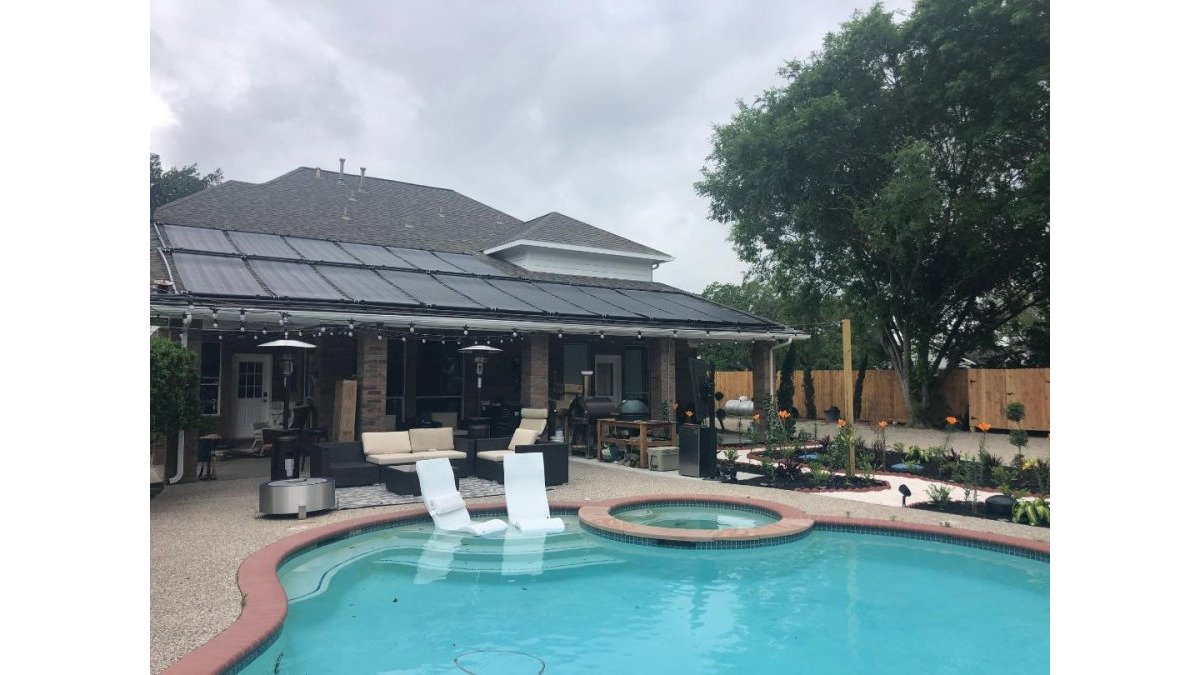
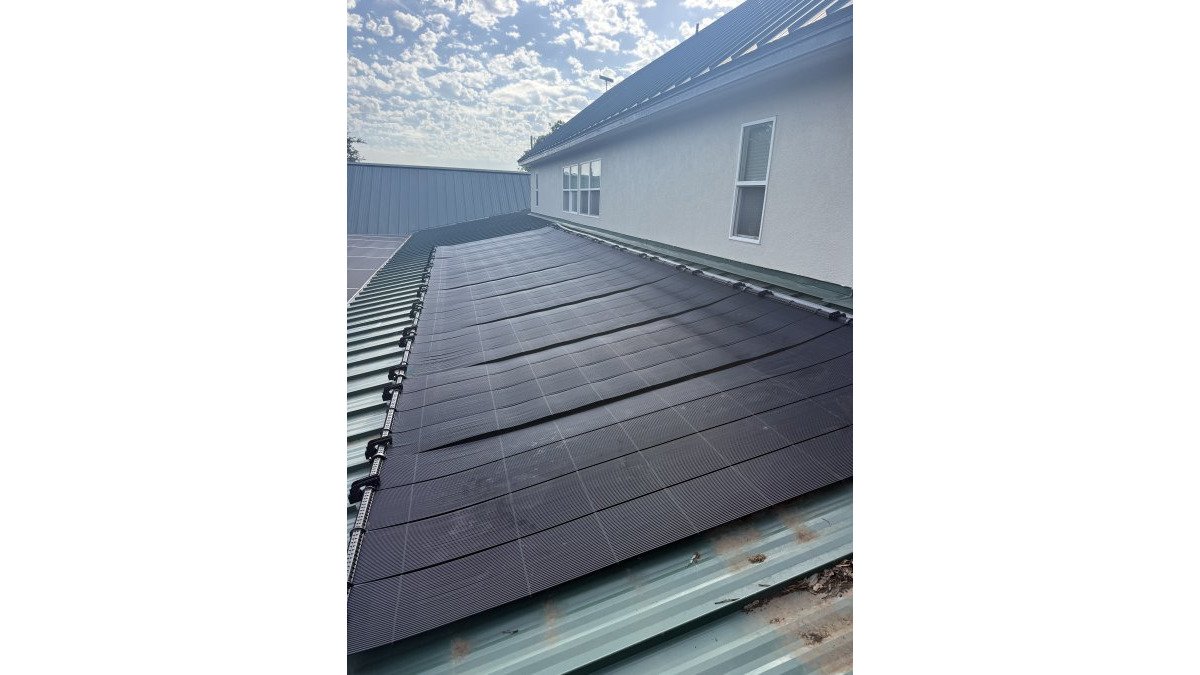
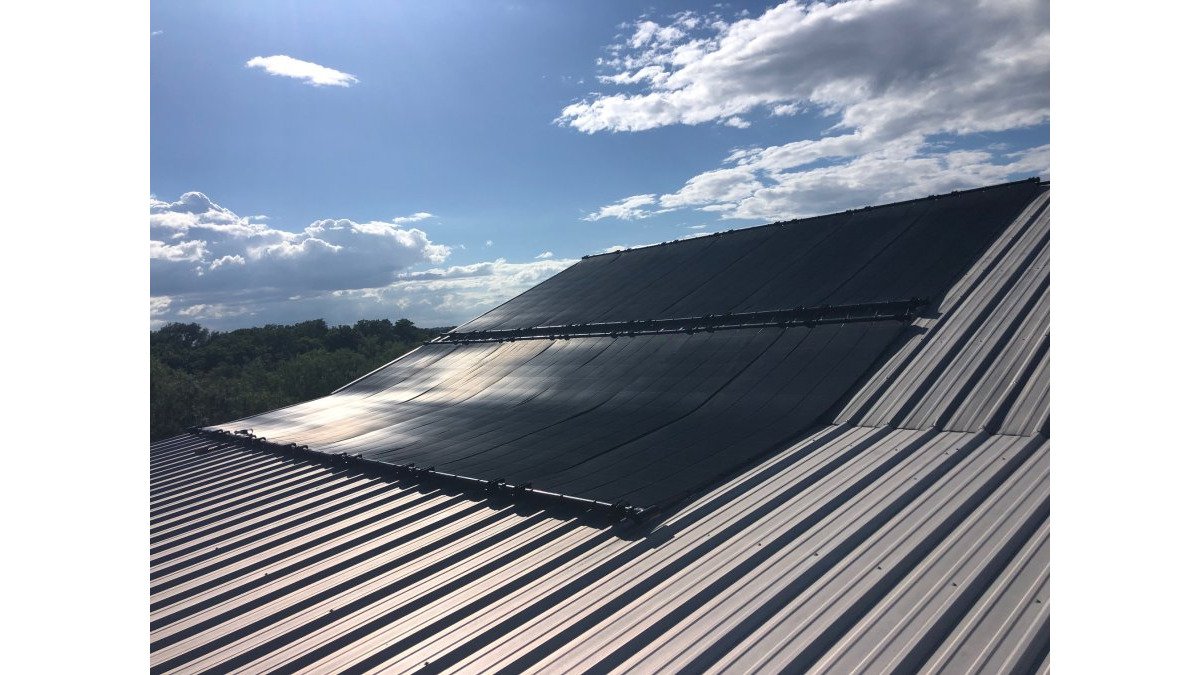
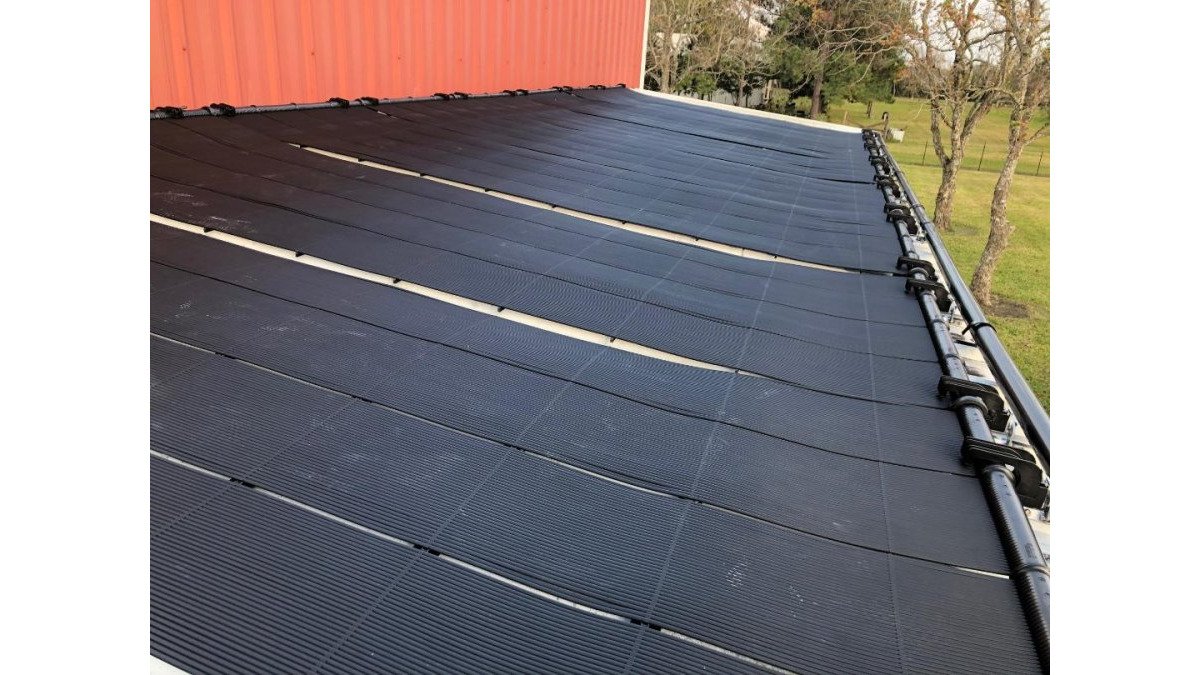
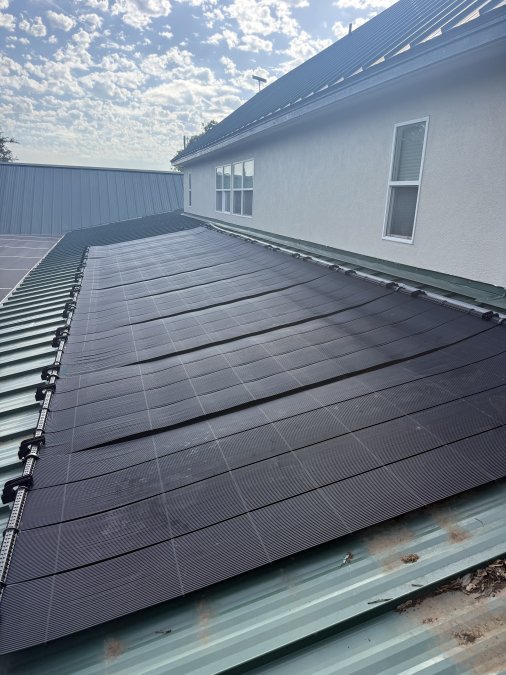
Solar pool heating is the practice of routing pool water through roof-mounted collectors that absorb heat from sunlight, then returning that warmed water to the pool. At Solar Pool Heating Texas, we install and repair these systems across the state, and the question we hear most in fall is simple: will solar heating warm a pool in winter? The short answer is yes, with realistic expectations. Your existing pool pump pushes water through the collectors. The sun heats the water inside them. That warmed water flows back into the pool. According to the U.S. Department of Energy guide to solar pool heating, a properly sized solar system can raise pool water to comfortable swimming temperatures and extend the season well beyond summer.
The Collector-to-Pool Loop in Plain Terms
The loop has four parts: pump, filter, collectors, and return lines. Water leaves the pool, gets filtered, then travels to the collectors. Sunlight heats the water as it passes through. The warmed water returns to the pool.
No separate heater runs this cycle. Your pool pump does the work it already does every day.
What Changes When Winter Arrives
Winter changes two things: less sun and colder air. Days get shorter. The sun sits lower in the sky. Nights pull heat out of the water faster than summer does.
Solar still works in winter. It just works with less margin. That margin is where covers and realistic expectations matter.
Solar Pool Heater Temperature Increase: What to Expect by Climate
A solar pool heater temperature increase of 5 to 10 degrees Fahrenheit above an uncovered pool is a realistic target on sunny winter days in mild climates. Colder regions and cloudy stretches shrink that gain. But the number that matters is not a national average, it is your local one, and four variables set it.
The Four Variables That Set Your Winter Gain
Winter sun hours. A collector only gains heat while the sun is actually hitting it. In southern latitudes, winter days still deliver six to eight usable sun hours. Move north, and that window can shrink to four or five. Fewer hours means less total heat collected, even on a cloudless day.
Sun angle. The sun sits lower in the sky in winter, so rays strike collectors at a shallower angle and deliver less energy per square foot. Roof-mounted collectors tilted toward the sun capture more of that low-angle light than flat or poorly oriented arrays.
Overnight lows. Air temperature sets the ceiling on what any system can hold. A pool that gains 8 degrees by afternoon can lose most of it before sunrise when the air drops into the 30s. The colder your nights, the more of each day's gain you surrender.
Wind and cloud cover. Wind strips heat from the pool surface through convection and evaporation. Cloud cover cuts collector output sharply, because collectors need direct sun, not diffuse light. A windy, overcast week can push a system to near break-even.
What That Looks Like in Practice
The table below shows what most systems deliver across common winter conditions.
| Condition | Typical Gain | What's Driving It |
|---|---|---|
| Sunny winter day, covered pool | 5-10°F | Long sun window, low overnight loss |
| Sunny winter day, no cover | 3-6°F | Heat escapes overnight |
| Cloudy stretch, covered pool | 2-4°F | Collectors need direct sun |
| Cloudy stretch, no cover | 1-2°F | Near break-even |
| Extended freeze, any setup | Near zero | Gain cannot outrun loss |
Estimating Your Own Numbers
You do not need a lab to forecast your pool. A common pattern is to track three things for a week: your pool's temperature each morning, the daytime high, and whether the day was mostly sunny or mostly cloudy. Most owners find their pool gains the most on the first clear day after a cold front passes, when the air is cool but the sky is clean and the collectors run all afternoon.
Surface area matters more than volume here. A large, shallow pool loses heat faster than a small, deep one because more water touches cold air. That is why two pools of the same gallonage can behave very differently in winter.
Why Overnight Temperatures Erase Gains
Heat loss happens fastest at night. Cold air pulls warmth from the water surface. Evaporation does the rest. That is not a solar failure, it is physics, and it is fixable with a cover and smart circulation timing.
Solar Pool Heater in Winter: Realistic Performance and Limits
A solar pool heater in winter performs best as a season extender, not a mid-winter miracle worker. It shines in spring and fall, when days are sunny and nights are cool but not freezing. In deep winter, output drops and heat loss climbs.
Here is what most owners experience:
- Warm, swimmable water on sunny afternoons in mild winters
- Modest gains during cold snaps
- Near-zero useful gain during extended freezes
How to Keep a Pool Warm in Winter with Solar and Supplemental Heat
Learning how to keep a pool warm in winter starts with covers, circulation timing, and a backup plan. Run the pump during the sunniest hours. Keep a cover on whenever the pool is not in use. Add supplemental heat only when solar alone cannot hold your target temperature.
Supplemental options include a heat pump or a gas heater. Solar does the heavy lifting on sunny days. The backup covers cold nights and cloudy weeks.
A simple sequence works for most pools:
- Set your target temperature
- Run solar during peak sun
- Cover the pool every night
- Kick in backup heat only when needed
That order keeps energy use low and comfort high.
Solar Pool Cover Heat Retention: The Nighttime Advantage
Solar pool cover heat retention is the single biggest winter upgrade you can make. A cover traps heat at the surface and blocks evaporation, which is where most warmth disappears. According to the U.S. Department of Energy pool heating guidance, covers cut heat loss dramatically and pair well with solar systems.
Think of the cover as half the system. Collectors add heat by day. Covers keep it overnight. Without one, you are heating the sky.
System Sizing, Installation Timing, and Winter Maintenance
System sizing, installation timing, and winter care decide how well solar performs when temperatures drop. Size collectors to your pool's surface area, not its volume alone. A larger surface loses more heat, so it needs more collector coverage.
Matching Collector Surface Area to Pool Size
A common rule is collector area equal to 50 to 100 percent of the pool's surface area. Colder climates and windy sites need the higher end. A solar cover and good sun exposure let you size toward the lower end.
A Sizing Checklist for Winter Performance
Before you commit to an array, walk through these five items. Each one changes how much heat you actually collect in the cold months.
- Collector area vs. surface area. Start with the 50-100% range, then adjust up for cold, wind, or a pool you want to swim in during the shoulder seasons.
- Roof orientation. South-facing roofs collect the most winter sun. East and west orientations lose hours at the start and end of the day. North-facing roofs are a poor fit for winter heating.
- Shading. Even a few hours of shade from trees, chimneys, or neighboring buildings can erase your best sun window. Winter sun is lower, so shadows reach farther than they do in summer.
- Flow rate. Water needs to move through the collectors slowly enough to pick up heat, but fast enough to keep the whole array working. A properly matched pump and plumbing keeps the loop efficient.
- Seasonal operating settings. Run the solar loop mid-morning through late afternoon in winter, when the sun is highest. Running it at night sends water through cold collectors and loses heat instead of gaining it.
Freeze Protection and Seasonal Care
Freeze protection matters in cold snaps. Automated controls drain collectors when temperatures drop, which prevents water from freezing and cracking tubes or splitting headers. Check valves, sensors, and the controller before winter arrives. Keep the cover clean so it keeps trapping heat, and confirm your controller is set to the winter schedule rather than the summer one.
Why Texas Pool Owners Choose Solar Over Gas or Electric
More Texas pool owners choose solar over gas or electric heating because it cuts operating costs, needs almost no maintenance, and is a smart, cost-effective way to heat a pool. Gas and electric heaters burn fuel every time they run. Solar uses free sunlight and your existing pump. There are no moving parts to wear out and no fuel bills to absorb. For owners tired of watching energy bills climb, solar is the clear choice.
Conclusion
Winter swimming comes down to managing heat gain and heat loss, not fighting the season. Solar collectors add warmth on sunny days, covers hold it overnight, and supplemental heat covers the gaps. That combination is why our clients extend their swimming season by up to nine months. Solar Pool Heating Texas offers a 100% satisfaction guarantee, 24/7 emergency repair availability, and systems built for both homes and commercial pools. Get a free consultation and find out what solar can do for your pool this winter.
Frequently Asked Questions
Will solar pool heating keep a pool warm in winter?
Solar pool heating can keep a pool warm in winter, but results depend on your climate, collector surface area, and whether you use a cover. In mild winter regions with frequent sun, solar collectors can maintain comfortable water temperatures for swimming. In colder areas with heavy cloud cover and freezing nights, solar heating still raises water temperature but usually works best alongside a supplemental heater to hold a swimmable range.
Does a solar pool cover heat the water or help retain heat?
A solar pool cover does both, but retention is its greatest strength. During the day, the cover traps heat from sunlight and reduces evaporation, which is the largest source of pool heat loss. At night, it acts as an insulating blanket that slows heat escaping into the cold air. Together, these effects can preserve several degrees of warmth overnight, making solar pool cover heat retention a key part of any winter heating plan.
How does cold weather affect solar pool heating?
Cold weather reduces solar pool heating performance in two ways. Shorter days and lower sun angles deliver less solar energy to the collectors, and the greater temperature gap between warm pool water and cold air speeds up heat loss. Wind and cloud cover make it worse. Even so, collectors still absorb available sunlight, and pairing them with a cover and proper system sizing keeps water warmer than an uncovered pool.
Can you swim in a solar-heated pool during winter?
In many cases, yes, especially in milder winter climates where sunny days are common. A solar pool heater temperature increase of a few degrees above ambient conditions can push water into a comfortable swimming range when combined with a cover. In colder regions, expect the pool to stay warmer than an unheated one but not always warm enough for comfortable swimming without supplemental heating.