 blog
Texas Solar Cowboys vs SolarTEK: Which Solar Pool Heating Option Wins?
Last Updated: November 3, 2026
Quick Summary
Solar pool heating uses solar thermal collectors to warm pool water as it circulates from the filter, with no combustion, compressor, or fuel. Texas Solar Cowboys vs SolarTEK comes down to what you want from the system, and Solar Pool Heating Texas partners with SolarTEK on systems designed for the long haul.
- Solar pool heating can stretch a swimming season toward nine months instead of the usual summer window.
- A gas heater's cost scales with heat loss, not swim time, so it never pays back.
- A pool cover is the single cheapest upgrade because it stops heat escaping overnight.
- Collectors facing the sun through midday recover temperature faster than shaded collectors.
- Solar Pool Heating Texas is available 24/7 for emergency repairs and offers a 100% satisfaction guarantee.
Table of Contents
- Texas Solar Cowboys vs SolarTEK: What Texas Pool Owners Need to Know
- How Solar Pool Heating Works and Why It Matters in Texas
- The Benefits of Solar Pool Heating for Year-Round Comfort
- Solar vs Gas Pool Heater Comparison: Running the Numbers
- Extending Swimming Season with Solar: What to Expect
- Maintenance, Reliability, and Lifespan: Solar Thermal vs Heat Pump Systems
- Getting a Free Consultation for Your Solar Pool Heating Project
- Frequently Asked Questions
Texas Solar Cowboys vs SolarTEK: What Texas Pool Owners Need to Know
Solar pool heating is the practice of using solar thermal collectors to warm pool water as it circulates from the filter, and it is a popular choice for Texas homeowners who want a longer swim season. This comparison of Texas Solar Cowboys vs SolarTEK comes from Solar Pool Heating Texas, which provides solar pool heating installation and repair services across Texas. Below, we break down how each option is commonly described and what pool owners should weigh when choosing between them.
How Solar Pool Heating Works and Why It Matters in Texas
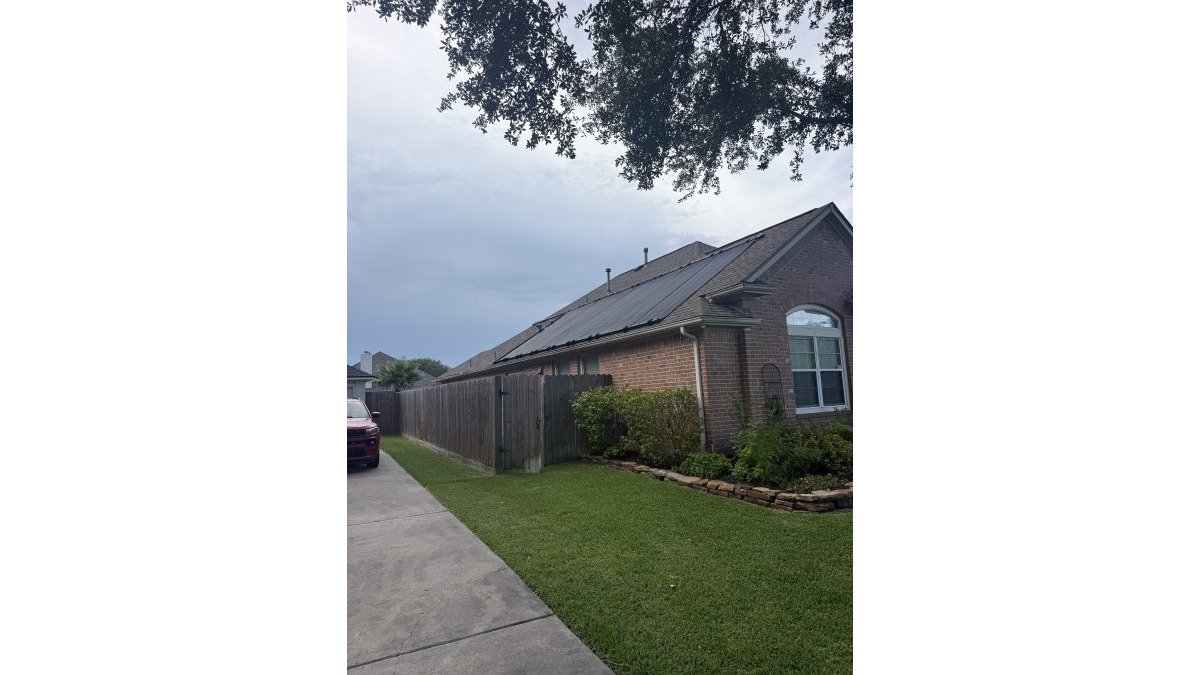
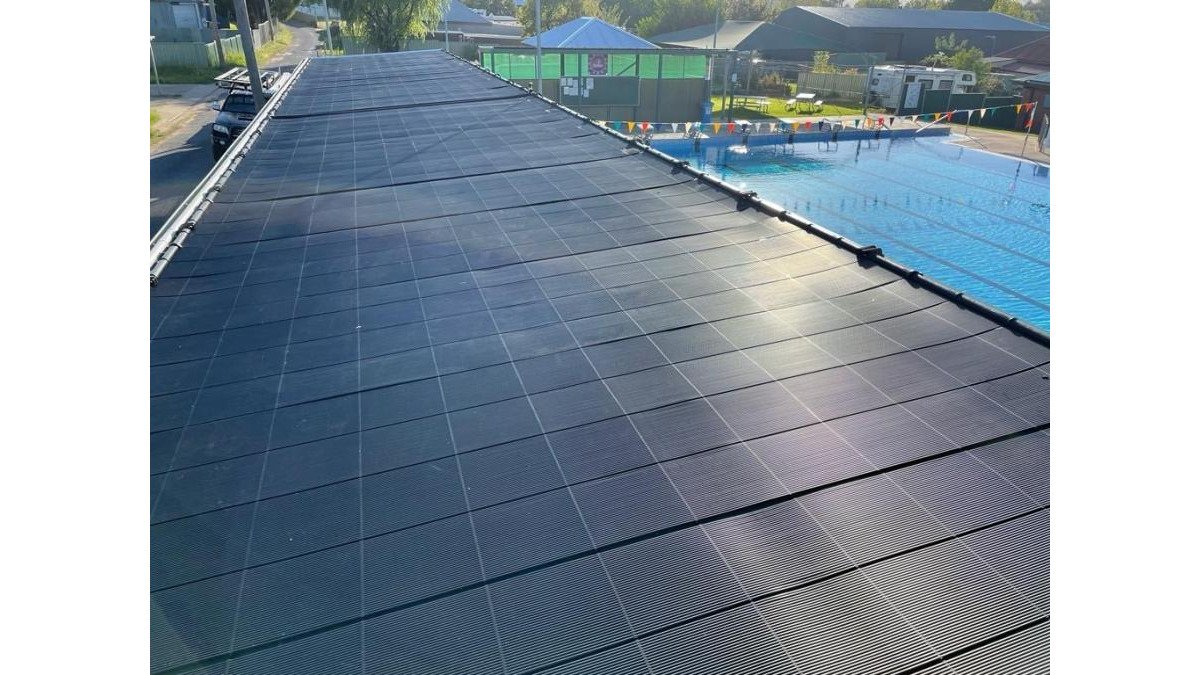
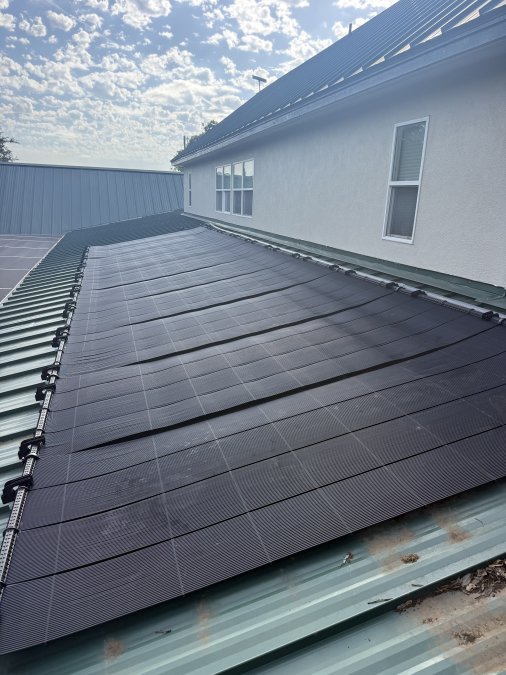
A solar pool heating system pushes pool water through collectors mounted on a roof or rack, where sunlight warms the water before it returns to the pool. There is no combustion, no compressor, and no fuel. The existing pool pump does the work, and the filter keeps the water clean along the way.
That simplicity is why solar thermal collectors last so long. With no moving parts in the collector itself, there is very little to break. A pool heat pump, by contrast, relies on a compressor and refrigerant cycle, which means electricity consumption and mechanical wear.
Texas has long sunny stretches, warm ambient air, and heavy pool use from spring through fall, conditions that give collectors plenty of energy to capture. The U.S. Department of Energy's guidance on solar pool heating explains the basic collector types and how pool circulation drives the whole process. For a deeper look at the mechanics, see our guide on how solar pool heating works in Texas.
The Benefits of Solar Pool Heating for Year-Round Comfort
Solar pool heating offers a longer season, lower operating costs, minimal upkeep, and a smaller environmental footprint.
Here is what that looks like in practice:
- A swimming season that can stretch toward nine months instead of the usual summer window
- Lower operating costs, because the sun does the heating and the pump was already running
- No burners, no pilot lights, no refrigerant, so routine maintenance is mostly a visual check
- Steady water temperature control across the season
- A lower carbon footprint, since the system produces no emissions on site
Solar vs Gas Pool Heater Comparison: Running the Numbers
A solar vs gas pool heater comparison usually starts with a simple fact: gas heaters warm water fast, and solar heaters warm water cheaply. Which one you want depends on how you use the pool, and the honest way to compare them is to look at where the energy goes, not just at the equipment on the pad.
A gas heater burns natural gas or propane to raise pool temperature quickly. It works in any weather and heats on demand. The trade-off is ongoing fuel consumption: every degree of temperature rise is paid for again each time the pool loses heat, and a pool loses heat constantly, overnight, on windy days, and whenever the air is cooler than the water. A solar thermal system heats more gradually but does it with sunlight, so once installed the system's operating demand is essentially the pump you were already running to circulate and filter the pool. That is the core reason solar pool heating is the smartest, most cost-effective way to heat a pool: the fuel is free, and the equipment that moves the water is already part of your pool's normal operation.
| Factor | Solar Thermal | Gas Heater |
|---|---|---|
| Fuel source | Sunlight | Natural gas or propane |
| Ongoing fuel use | None, sun does the heating | Recurs with every use and every heat loss |
| Heating speed | Gradual, steady | Fast, on demand |
| Works in cloud cover | Reduced output | Yes |
| Moving parts | None in collectors | Burner, controls, valves, exhaust |
| Maintenance profile | Visual checks, occasional debris clearing | Burner and control service, venting |
| Lifespan | Long | Shorter, replaced sooner |
| Payback | Pays for itself quickly through avoided fuel use | Never pays back, fuel cost is permanent |
Here is the mechanism most comparisons skip. A gas heater's cost scales with heat loss, not with swim time. If you heat the pool to a comfortable temperature and then a cool, windy night pulls that heat out, the heater must burn fuel again to replace it, even if nobody swims the next day. A solar collector array, by contrast, replaces lost heat whenever the sun is out, at no fuel cost, so the system recovers temperature passively between swims. That is why homeowners who swim often come out far ahead with solar: the more the pool is used and the more often it loses heat, the more the gas meter runs and the more the solar array simply does its job.
A pool cover multiplies this advantage. Most heat loss happens at the water's surface overnight, and a cover traps that heat so the solar system has less to replace the next morning. Pairing collectors with a cover is the single most effective way to make a solar system feel like it is outperforming its size.
Watch out: comparing a gas heater's fast temperature rise against a solar system's gradual rise without accounting for how long each runs is misleading. A gas heater may raise temperature in hours but keeps paying for that heat indefinitely; a solar array raises it over a sunny day and then holds it for free. Compare the two over a full season of use, not over a single afternoon.
For a closer look at how the savings accumulate, read our breakdown of real savings from residential solar pool heating. For many Texas pool owners who want a long, comfortable season, solar can be a lower-cost path, with minimal maintenance beyond occasional visual checks.
Extending Swimming Season with Solar: What to Expect
Extending swimming season with solar works best when the system is sized for the shoulder months, not just midsummer. A system built only for July will feel underwhelming in April and October, and that gap is where most disappointment comes from.
The sizing rule most installers start with is a ratio: collector area relative to the pool's surface area. A pool with a large surface area loses heat faster, so it needs proportionally more collector area to hold temperature. This is why two pools of the same volume can need very different arrays.
Temperature rise is the other half of the picture. A well-sized solar array does not heat a pool instantly the way a gas burner does; it adds heat gradually across sunny hours and holds it. A properly sized solar thermal system can help extend the swimming season, with the exact gain depending on collector area, roof space, shade, and how much you use a pool cover. The system's job is to replace the heat the pool loses each day, and on a sunny day, a correctly sized array can replace more than the pool loses, which is how temperature climbs over several days of consistent sun.
Recovery time matters as much as peak temperature. After a cool night, a solar array needs sunny hours to bring the pool back to comfort. That is why orientation and shade decide so much: collectors facing the sun through the middle of the day recover temperature faster than collectors that are shaded in the morning or late afternoon. A modest array placed correctly will outperform a larger array on a shaded roof.
A cover is the single cheapest upgrade to any solar setup because it stops heat escaping overnight. Without a cover, a large share of the heat the collectors add during the day leaves the pool before morning, and the array spends the next day replacing it instead of raising temperature. With a cover, the same array extends the season noticeably further.
Watch out: sizing collectors to the pool's surface area without accounting for shade and orientation is the most common reason homeowners feel disappointed. The system is not failing; it was never given a fair chance. A shaded roof, a north-facing slope, or a plumbing layout that pushes water through too many collectors too slowly can each cap performance regardless of array size.
For a practical, season-by-season walkthrough, our guide to extending your swimming season in Texas covers what to expect month by month, including how shoulder-month sun angles and cooler nights change the math.
Maintenance, Reliability, and Lifespan: Solar Thermal vs Heat Pump Systems
Solar thermal systems and heat pumps sit at opposite ends of the maintenance spectrum. Solar collectors have no moving parts, so the system's main wear items are the pump and valves you already own. Heat pumps depend on a compressor, fan, and refrigerant circuit, all of which need service over time.
That difference shapes the lifespan. A solar collector array has few moving parts and typically needs little more than an occasional check for leaks and debris, while a heat pump has more components that may require service over time.
If something does need attention, our solar pool heater maintenance and repair guide walks through the common issues and fixes. Solar Pool Heating Texas is available 24/7 for emergency repairs, which matters when a leak appears mid-season.
Getting a Free Consultation for Your Solar Pool Heating Project
The right system for your pool starts with an honest assessment of your roof, your plumbing, and how you actually swim. That is where a free consultation earns its place: it turns a generic comparison into a plan built around your property.
At Solar Pool Heating Texas, we partner with SolarTEK to deliver systems designed for the long haul. Our team handles both residential and commercial installations, and we offer a 100% satisfaction guarantee. Whether your pool is old, oddly shaped, or perfectly standard, we can assess your site and discuss what will work for your setup.
Texas Solar Cowboys vs SolarTEK ultimately comes down to what you want from the system. For a closer look at how SolarTEK stacks up against other options, see our guide on how to choose SolarTEK alternatives for residential pools. If you want a quick equipment sale, either path can get you there.
Frequently Asked Questions
How much warmer will my pool get with solar heating during the winter?
Solar pool heating can raise water temperature by 5-10°F above ambient conditions, depending on collector area, sunlight, and pool cover use. Actual results vary with weather, system sizing, and whether you use a pool cover to retain heat overnight.
Is solar pool heating more energy-efficient than a heat pump?
Solar thermal collectors use the sun's energy directly and consume only pump electricity to circulate water, so operating energy use is very low. Heat pumps rely on electricity to move heat from air to water and lose efficiency as ambient air temperature drops.
What maintenance does a residential solar pool heating system require?
Solar pool heating systems have few moving parts. Routine checks include inspecting collectors for debris or shading, checking pump operation, and watching for water leaks at connections. Most homeowners spend minimal time on upkeep. A 100% satisfaction guarantee and 24/7 emergency repair availability provide added peace of mind if issues arise.
Can solar pool heating work with an older or oddly shaped pool?
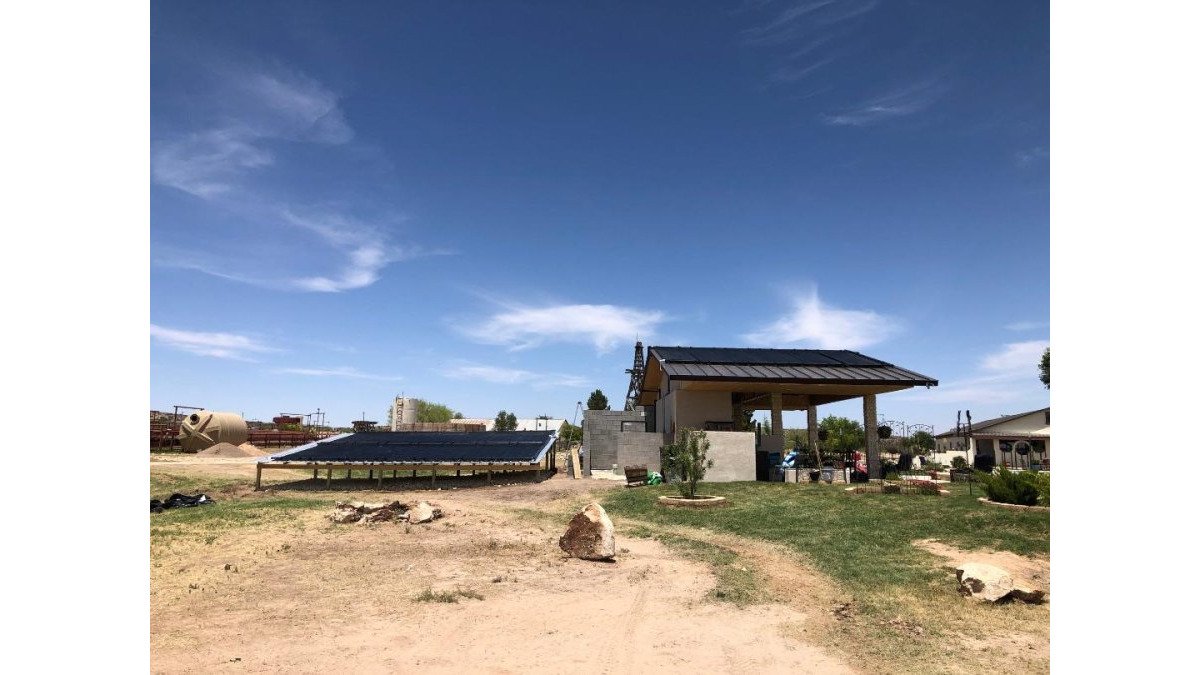
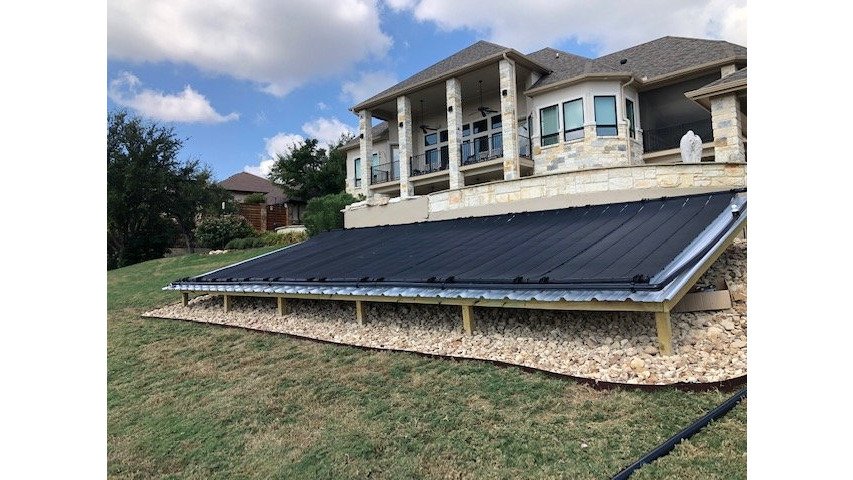
Yes. Solar collectors are mounted on available roof space or ground racks and connected to your existing pool pump and filter. The system adapts to most pool shapes and sizes because the collectors are separate from the pool structure.
If you are tired of high heating bills and a short swim season, we can help you plan a system that fits your pool and your roof. Get started with Solar Pool Heating Texas and book a free consultation to see how much of the year solar can keep your pool ready for a swim.